





The Review Embargo Tells a Story
One of the most revealing clues happens before a single review is published: the embargo date. This is the specific date and time a studio allows critics to post their reviews. If a studio has a winner on its hands, they’ll often lift the embargo days,
or even a week, in advance. This gives positive buzz time to build and translate into pre-sales. Conversely, if a studio suspects they have a dud, they might set the embargo for the day of release, sometimes just hours before the first public showings. This strategy aims to minimize the impact of negative reviews on the crucial opening weekend box office. A very late review embargo isn't a guaranteed sign of a bad film, but it is a major red flag that the studio lacks confidence in its product.
Understand the Rotten Tomatoes Score
The Tomatometer score on Rotten Tomatoes is influential, but it's also widely misunderstood. The percentage doesn't represent an average grade out of 100; it represents the percentage of critics who gave the film a positive review. A movie with a 95% score could mean that 95% of critics thought it was simply 'pretty good' (a 6/10), not that they all thought it was an A+ masterpiece. What can be more telling is the 'Certified Fresh' designation, which requires a steady score of 75% or higher, a minimum number of reviews from top critics, and at least 80 total reviews for a wide release. Also, pay attention to the gap between the critic score (Tomatometer) and the audience score (Popcorn bucket). A huge divide can signal that a film connects with viewers in a way it didn't with professional reviewers, or vice versa.
Pay Attention to the Kind of Buzz
Not all hype is created equal. Vague, generic praise in marketing materials can be a warning sign. Look for specifics. Are people talking about a mind-bending plot twist, a breathtaking action sequence, or a performance that’s generating awards buzz? Or are the TV spots just filled with generic pull-quotes like “The movie event of the summer!” without attribution? Early social media reactions from premieres or festival screenings can also be a valuable temperature check. While studios sometimes permit early social media reactions even when full reviews are embargoed, genuine, specific enthusiasm from trusted voices is a much better sign than generic marketing-speak.
Was It Made for the Big Screen?
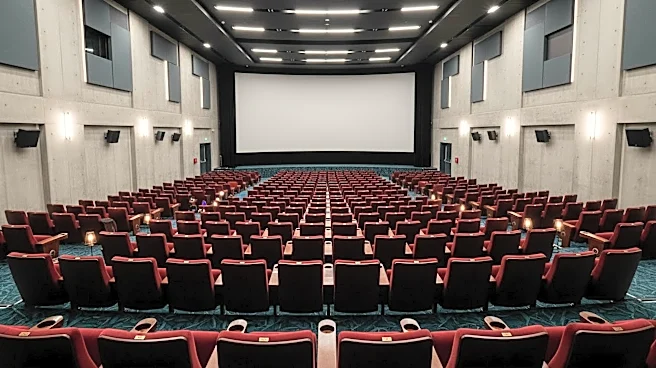
This question is more crucial than ever. A theatrical experience is about more than just seeing a movie early; it’s about immersion. Is this a film that uses grand cinematography, groundbreaking visual effects, and intricate sound design to create a world you get lost in? Epics like a sprawling sci-fi adventure or a meticulously crafted historical drama often lose their power on a small screen. A quiet character drama or a straightforward comedy, while potentially excellent, might not offer the same justification for a premium ticket price. The director's intent matters. Some films are designed from the ground up to be communal, overwhelming sensory experiences that simply can’t be replicated by even the best home theater setup.
Watch the Second-Weekend Drop
If you’re not in a rush to see a film on opening night, the second-weekend box office results can be the ultimate truth-teller. A massive drop-off (typically over 60%) from the first weekend to the second suggests that word-of-mouth is poor. The initial audience, fueled by marketing, showed up, but they didn't recommend it to their friends. A smaller drop (under 50%) indicates that the film has legs. It means audiences are genuinely enjoying it and that positive buzz is spreading organically. This is often the most reliable indicator of a crowd-pleaser that delivers on its promises, making it a much safer bet for your time and money.