



The Old Playbook and Its Gatekeepers
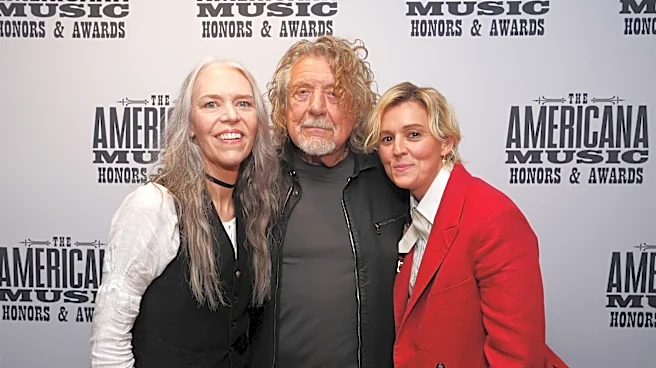
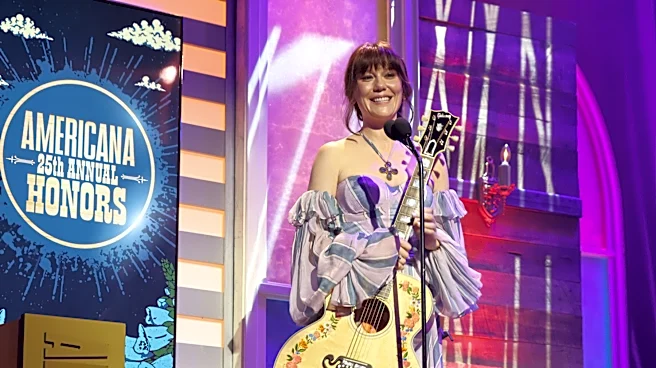
For over two decades, the Americana Music Association has been the genre's unofficial guardian, defining a sound that blends folk, country, blues, and roots rock. Its annual Honors & Awards ceremony at Nashville's Ryman Auditorium became a sacred space
for celebrating artists who honored those traditions. Think of the foundational sounds of artists like Woody Guthrie, whose storytelling laid the groundwork for generations. More recently, figures like Gillian Welch and David Rawlings, who again won Duo/Group of the Year in 2026, have been celebrated for their mastery of this established form. The playbook was clear: authenticity, acoustic-driven arrangements, and a deep connection to American musical history were the keys to the kingdom. This created a vital home for artists who felt excluded by the gloss of modern commercial country, but it also cemented a particular image in the public mind.
Meet the Rule-Bending New Guard
The latest Americana Honors & Awards ceremony highlighted a fascinating shift. While established acts were honored, the nominees and performers list was buzzing with artists who don't fit neatly in the traditional box. Performers like Kashus Culpepper, Boy Golden, and S.G. Goodman brought fresh energy to the Ryman stage. This new guard isn't afraid to mix in indie rock, soul, and even pop sensibilities. This evolution has been building, with artists like Allison Russell and Sierra Ferrell gaining prominence for their genre-bending sounds in recent years. The definition of Americana is expanding to become a big tent, embracing a wider range of sonic textures and perspectives than ever before. This isn't about abandoning roots music, but rather using it as a launchpad for something new and often more inclusive.
The Awards Show Signs of Evolution
The 2026 awards themselves reflected this changing landscape. Molly Tuttle, a phenomenal guitarist known for pushing the boundaries of bluegrass and acoustic music, took home the night's top prize for Artist of the Year. Meanwhile, Tyler Childers, an artist who has consistently defied easy categorization, won Album of the Year for "Snipe Hunter." Perhaps most telling was the win for Emerging Act of the Year by Ken Pomeroy, a 23-year-old Oklahoman whose acclaimed album "Cruel Joke" was also nominated for the night's top album prize. Mandy Fer, a dynamic electric guitarist for artists like Allison Russell, won Instrumentalist of the Year, a win she celebrated by noting the historical “void of women as lead guitarists” in the scene. These wins signal that the voting members of the Americana Music Association are not just acknowledging the new wave, but rewarding it.
What 'Rewriting the Playbook' Really Means
So, are these younger artists tearing up the rulebook? It's more like they're adding new, exciting chapters. The core of Americana—strong storytelling and a connection to roots—remains. What's changing are the tools and influences used to tell those stories. The inclusion of more electric instruments, bolder production choices from producers like Rick Rubin and Nick Sanborn on Childers' winning album, and lyrical themes that speak to a wider range of modern experiences are all part of the new playbook. The genre is becoming less about preserving a specific sound and more about embodying a spirit of authentic, human-made music, a theme even the show's hosts, The Milk Carton Kids, highlighted in a world increasingly focused on AI. This evolution keeps Americana vibrant, ensuring it reflects the country's diverse culture rather than becoming a museum piece.