




The Last Dance on the Pitch
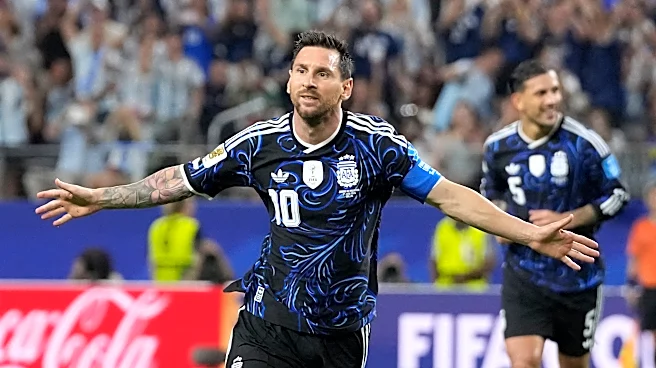
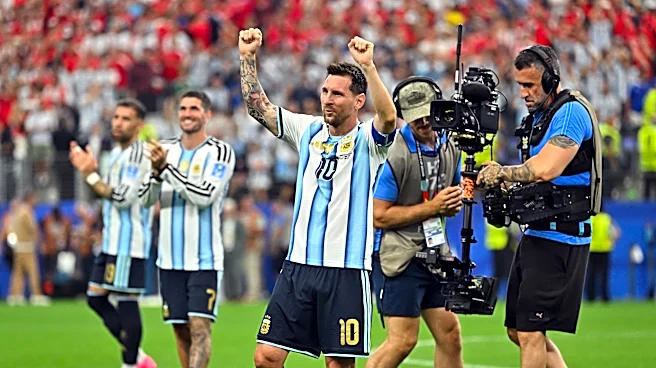
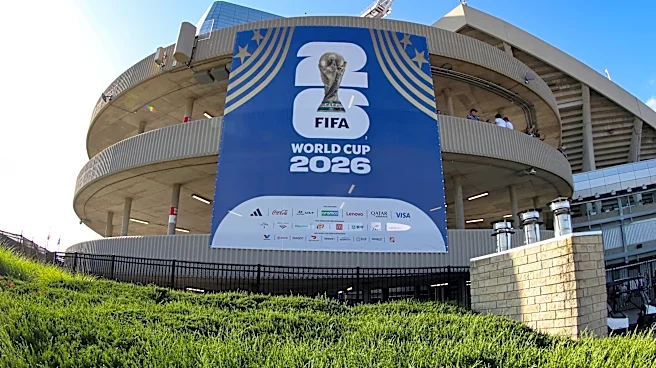
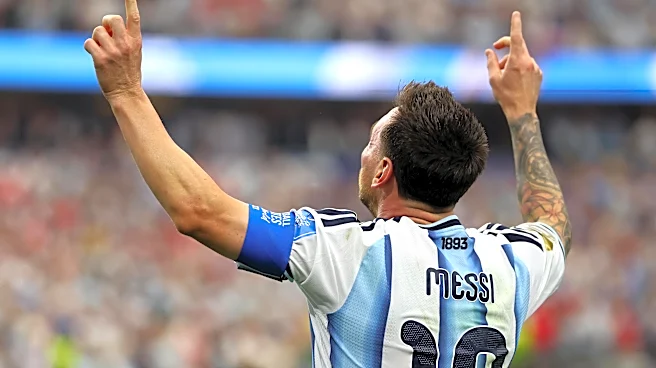
The FIFA World Cup 2026, hosted across North America, is a showcase for the next generation of global soccer talent. Yet, all eyes are on a familiar figure: Lionel Messi. At 39 years old, the Argentine maestro is playing in a record sixth World Cup, an
achievement he shares with his longtime rival Cristiano Ronaldo. But Messi is not just another player; he is the defending champion, the captain, and for many, the greatest to ever play the game. As such, he occupies a unique role. Every touch is analyzed, every substitution debated. His mere presence on the field changes the calculus for both his team and the opposition. He is the sun around which Argentina’s entire tournament orbits, and with that comes a gravitational pull of expectation that few athletes in history have ever shouldered.
A Familiar Burden for Serena Fans
If this dynamic sounds familiar, it should. For years, Serena Williams played the same role on the tennis court. Her late career was a masterclass in managing legacy and expectation. Every tournament she entered, particularly after the birth of her daughter, became a referendum on her GOAT status and her quest to equal Margaret Court's record of 24 Grand Slam singles titles. A win was confirmation of her greatness; a loss was a sign the end was near. Her matches weren’t just athletic contests; they were cultural events. She drew bigger crowds, higher ratings, and more scrutiny than any other player. Williams wasn't just trying to win matches; she was battling history, her own body, and the relentless passage of time, all under a global microscope. This is the bittersweet burden of the aging titan, a pressure Messi now inherits on the world’s biggest stage.
From Superstar to Statesman
This late-career role transcends pure athletic performance. It evolves from being the team's primary weapon to its spiritual leader. We're seeing this with Messi in 2026. While he’s still a phenomenal goalscorer—leading the tournament early on—his coach is also carefully managing his minutes, even starting him from the bench in a group stage match to preserve him for the knockout rounds. His role is now as much about inspiring confidence in his teammates and providing a calming presence as it is about scoring a hat-trick. Similarly, Serena evolved into an elder stateswoman for tennis, a figure whose influence shaped the next generation. Players like Coco Gauff have explicitly stated that Williams was the reason they believed they could dominate in a predominantly white sport. This is the final stage of a legendary career: when your impact is measured not just in trophies, but in the people you’ve inspired and the way you’ve changed the game itself.
Redefining What Victory Looks Like
For the fans, watching this final chapter requires a shift in perspective. Victory is no longer solely defined by lifting the ultimate trophy. Instead, it’s found in moments of transcendent genius: a perfectly weighted pass, a goal that defies physics, or simply the grace of seeing a master at work one last time. For Argentina's coach, success with Messi involves tactical adaptation, using him as a world-class substitute or resting him strategically. This mirrors how Williams had to carefully manage her schedule and her body, making each tournament appearance precious. Even Cristiano Ronaldo, at 41, is facing questions about whether his static presence helps or hinders Portugal, forcing a similar conversation about how to best utilize a legend. This phase isn't about denying the effects of aging but adapting to them, a process that relies on decades of accumulated wisdom and experience to outsmart a younger field.