




More Than a Perfume, It's a Persona
First and foremost, Tom Ford doesn't sell scented alcohol in a bottle; he sells an extension of his own meticulously crafted persona. After reviving Gucci and Yves Saint Laurent with a potent mix of glamour and sex appeal, he launched his own label in 2005.
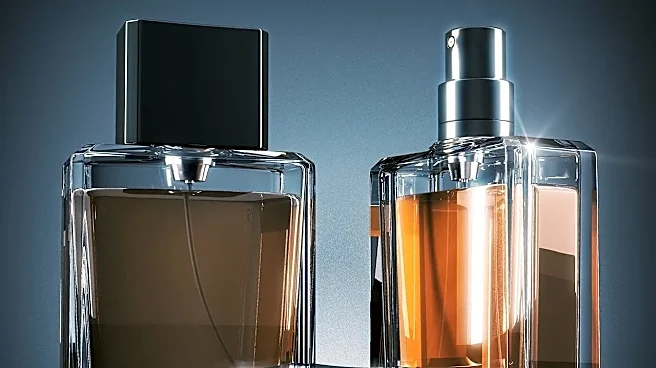
The fragrance line, started in partnership with Estée Lauder in 2006, wasn't an afterthought—it was a foundational pillar. The brand promises not just a product but an identity: sophisticated, unapologetically sensual, and powerful. This appeals directly to a consumer who wants to buy into a lifestyle. The sleek, architectural bottles look like pieces of a chess set for the impossibly chic, reinforcing the idea that this is a considered, aesthetic choice, not just a smell. For 그의 legions of fans, wearing a Tom Ford fragrance is like wearing a piece of his signature armor.
The Price as a Velvet Rope
One of the most significant points of contention is the price. A standard bottle from the exclusive Private Blend collection can easily run into hundreds of dollars. This isn't an accident; it's a deliberate market-positioning strategy. The high price acts as a velvet rope, creating a powerful sense of exclusivity. In the luxury space, accessibility can dilute a brand's cachet. By making the scents prohibitively expensive for many, Tom Ford automatically signals that they are a premium, high-status product. Defenders of the pricing point to the use of high-quality and rare ingredients, like oud wood and rare floral absolutes, and the higher concentration of fragrance oils used. Critics, however, argue the cost is disproportionate to the liquid in the bottle, suggesting that consumers are paying more for the branding and marketing genius than for unparalleled olfactive art.
Scents, Sex, and Scandal
You can't discuss Tom Ford without talking about provocation. From his notoriously sexualized ad campaigns of the 2000s to his fragrance names, he has always used shock to his advantage. The launch of a scent in 2017 called "F***ing Fabulous" was a masterstroke of this strategy. It generated immense buzz, forcing publications to either print the expletive or find creative ways around it. Subsequent releases like "Lost Cherry" and "Rose Prick" continued this trend of suggestive naming. This approach splits the industry neatly in two. On one side, it's seen as a brilliant, modern marketing tactic that cuts through the noise of a crowded market. On the other, traditionalists and some critics view it as vulgar and gimmicky, a move that cheapens the art of perfumery and relies on controversy rather than craftsmanship to sell bottles.
Art vs. Commerce in a Bottle
The final split comes down to a classic debate: art versus commerce. Is Tom Ford a perfume innovator or an expert marketer? Many fragrance connoisseurs and purists fall into the latter camp. They argue that while the scents are generally well-made and wearable, some lack the groundbreaking creativity of true niche houses that command similar prices. For them, Ford's real genius lies in taking existing scent profiles, polishing them to a high gloss, and packaging them in an irresistible concept. His supporters, however, see things differently. They argue that he makes niche-level quality and concepts accessible—or at least aspirational—to a mainstream luxury consumer. His brand has undeniably pushed the entire fragrance market toward bolder, more complex, and unisex compositions, creating a bridge between mass-market designer scents and the more intimidating world of artisanal perfumery. The phenomenal success and 2022 acquisition by Estée Lauder for $2.8 billion—a deal largely driven by the fragrance division's power—proves the commercial wisdom of his approach.