







More Than a Red Carpet
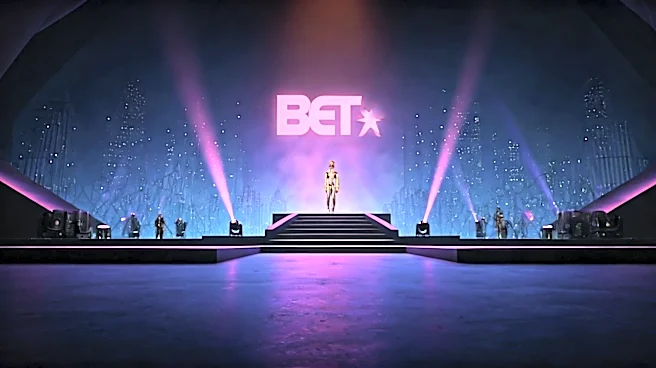
To understand its influence, you first have to grasp that the BET Experience was never just a three-hour awards show. Launched in 2013, it was conceived as a multi-day cultural takeover of Los Angeles. [1, 2] Imagine a fusion of music festival, block
party, industry summit, and fan convention all rolled into one. [3] While the BET Awards served as the weekend's glittering finale, the days leading up to it were filled with free concerts, celebrity basketball games, panel discussions, and brand pop-ups. [1, 5] This created a unique ecosystem where the lines between celebrity and fan blurred. The focus wasn't just on a single red carpet, but on the thousands of people who showed up and showed out across a dozen different venues, turning the entire L.A. Live complex into a vibrant style showcase.
The Audience as the Main Event
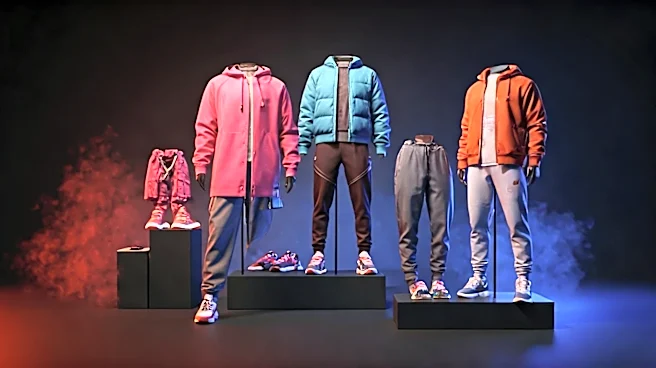
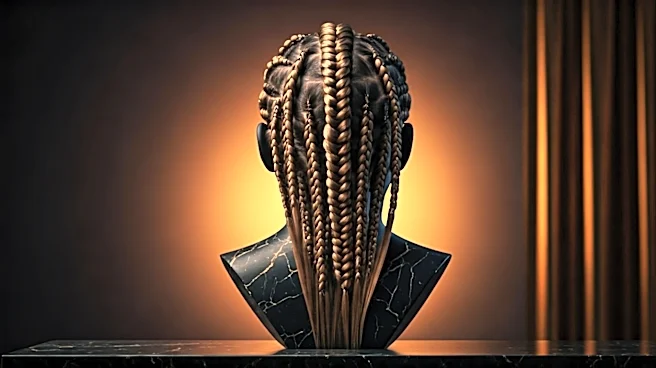
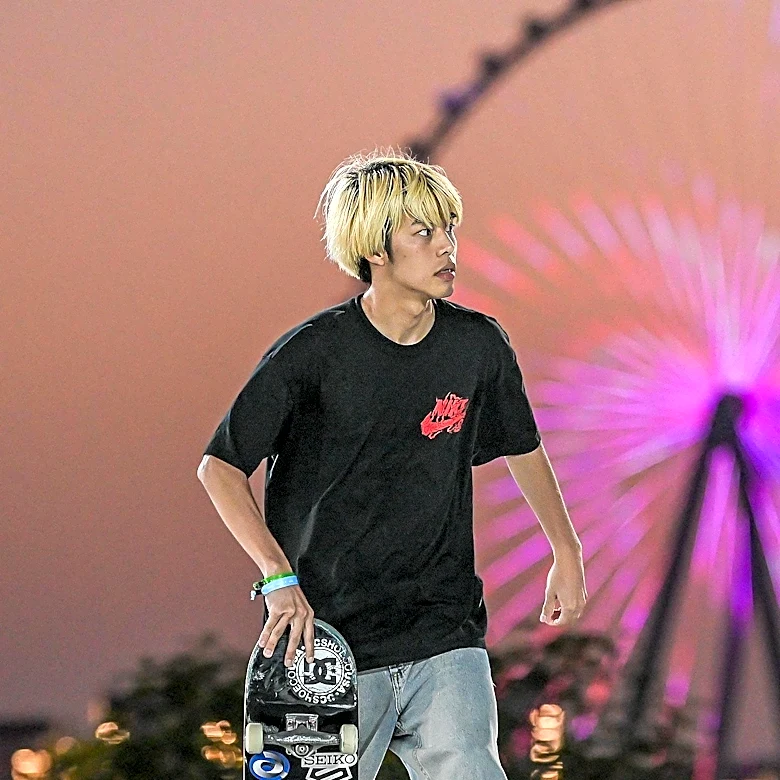
Unlike the Met Gala or the Oscars, where the fashion is largely confined to an exclusive guest list, the BET Experience made style accessible. The BETX Fan Fest, a free event at the Los Angeles Convention Center, was ground zero for this phenomenon. [1] It was a space where attendees didn't just come to see stars; they came to be seen. The street style was as influential as any celebrity look, creating a real-time feedback loop of trends. Bold hair, custom sneakers, vibrant prints, and avant-garde streetwear weren't just for the stage; they were the uniform of the attendees. This dynamic shifted the power, proving that the most compelling fashion moments were often happening in the crowd, not just on the red carpet. [15]
A Platform for Black Creatives
For decades, Black designers and stylists fought for recognition within the mainstream fashion industry. [7] The BET Experience provided a powerful, unapologetic platform where their work was not just included, but centered. The red carpet became a deliberate showcase for Black talent. Hosts like Taraji P. Henson and stylists like Zerina Akers and the duo Wayman + Micah made it a point to feature Black designers, giving labels like LaQuan Smith, Sergio Hudson, and Theophilio a level of visibility they might not receive at other major events. [6] This commitment extended beyond the carpet, with initiatives like the partnership with Harlem Fashion Row to dress Best New Artist nominees exclusively in Black designers, turning a nomination into a major career moment for both the musician and the creator behind the look. [10]
From Trend-Spotting to Trend-Setting
The BET Experience didn't just reflect trends; it created them. [15] It became a launchpad for styles that would dominate the culture for months to come. When Zendaya wore an archival Versace dress previously worn by Beyoncé, it wasn't just a style moment—it was a conversation about legacy and influence. [12] When artists like Lil Nas X challenged gender norms with high-concept tailoring or Cardi B brought couture-level drama to the main stage, they were using a platform that understood and amplified their message. [17, 12] More recently, the establishment of a Fashion Vanguard Award in 2026 solidified the event's role as a formal arbiter of style, recognizing figures whose fashion presence has had a long-standing cultural impact. [9] This evolution from a place to see fashion to a place that formally anoints fashion leaders is the ultimate proof of its influence.