





More Than a Game, a Continental Feud
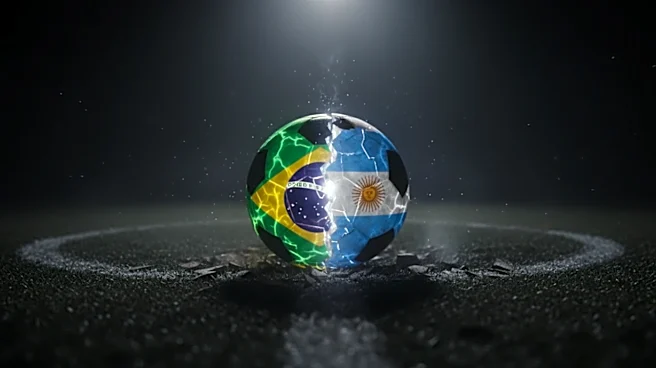
To understand why this match can ruin reputations, you have to understand the stakes. This isn't a manufactured rivalry; it's a deep-seated cultural clash between South America's two footballing superpowers. For decades, the debate has raged: who is the continent's,
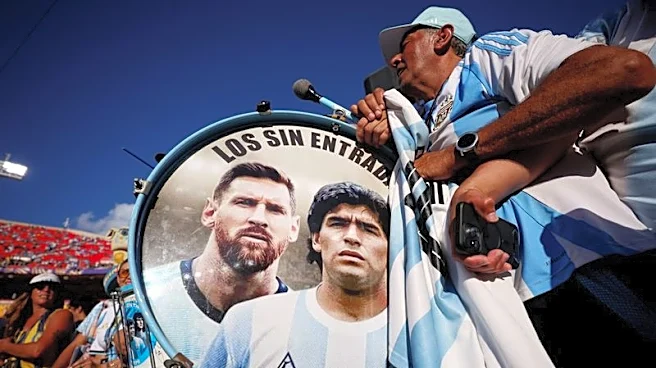
and therefore the world's, true king? The argument is personified by the endless comparisons between Pelé and Diego Maradona, two of the greatest players to ever live. This foundational conflict means every match is a new chapter in a century-long struggle for supremacy. It’s a battle for national pride, identity, and historical bragging rights, played out on a field of grass. When a star player takes the pitch, they carry the hopes and anxieties of an entire nation on their shoulders. Failure isn't just a loss; it's a national humiliation.
Maradona’s Moment of Madness
Perhaps no single moment better illustrates this pressure than Diego Maradona's infamous red card in the 1982 World Cup. Argentina, the defending champions, were facing a 3-0 deficit against a dazzling Brazil side and on their way out of the tournament. Frustration had been building for Maradona, who was relentlessly fouled. In the 85th minute, with his team's hopes dashed, he snapped. In an act of petulance and retribution, he launched a studs-up kick into the midsection of Brazilian player Batista and was immediately sent off. The golden boy, expected to lead Argentina to glory, was booed off the pitch, his World Cup ending in disgrace. It was a stark lesson: in the cauldron of the Superclásico, even a footballing god can be reduced to a frustrated villain when national pride is on the line.
The Modern-Day Pressure Cooker
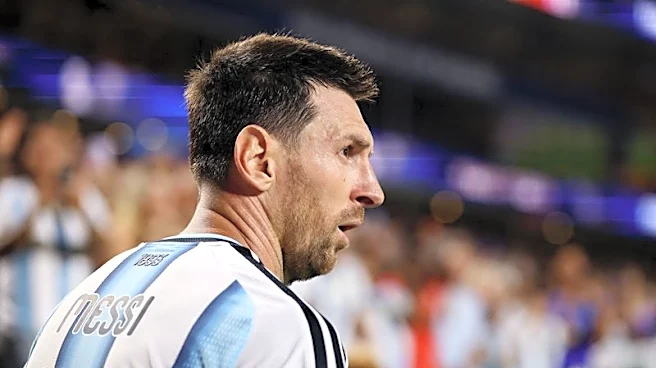
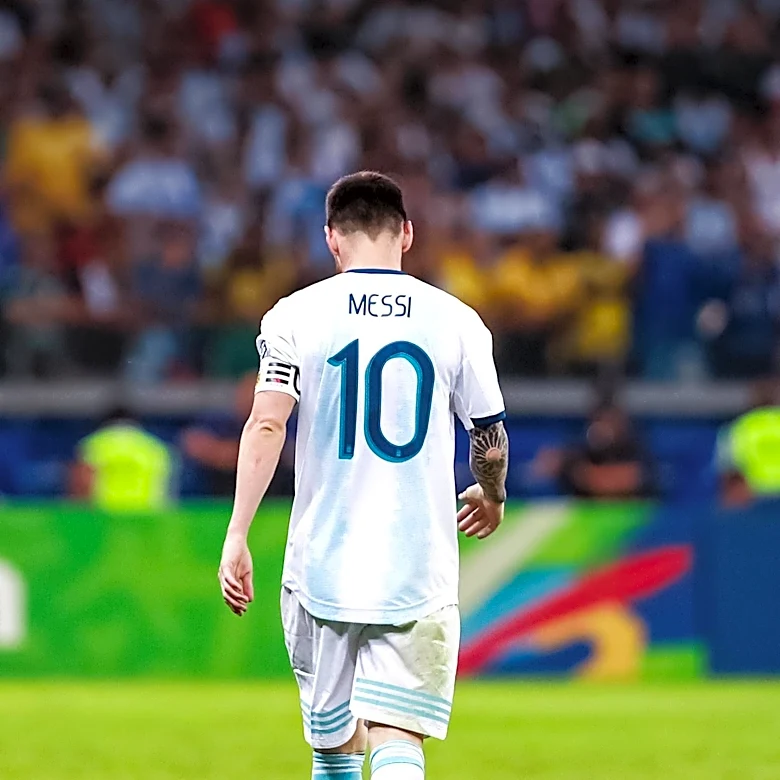
The dynamic hasn't faded with time. Even Lionel Messi, arguably the most celebrated player of his generation, has felt the sting. During the 2019 Copa América, after a controversial semi-final loss to Brazil, Messi's frustration boiled over. In the third-place match, he received only the second red card of his entire career after a confrontation with Chile's Gary Medel. In the aftermath, Messi unleashed a tirade against the referees and the tournament organizers, alleging corruption and claiming the cup was "fixed for Brazil." While many fans saw him as a hero standing up to injustice, his outburst also cast him as a sore loser in the eyes of others, a star undone by the immense pressure of the rivalry. Even a player's absence can create a villain narrative; Neymar has faced intense criticism in the Brazilian media for missing matches against Argentina, with pundits questioning his commitment and professionalism.
The Mechanics of Villainy
So how does a hero become a villain so quickly? It’s a perfect storm of factors. First, the media in both Brazil and Argentina are intensely partisan, building up monumental expectations and showing little mercy in defeat. A missed penalty, a red card, or even a perceived lack of effort can lead to days of brutal headlines. Second, the passion of the fans is both a blessing and a curse. They worship their stars, but that worship is conditional on success, especially against the arch-rival. Finally, there's the psychological game itself. Players from both nations have spoken about the unique intensity and cunning, sometimes called "viveza" or "malandragem," that defines the matchup. It’s a contest where embracing the role of the antagonist, playing on the edge of the rules, and frustrating your opponent is part of the strategy. This approach, celebrated at home, is often seen as cynical or dirty by outsiders and the opposition, cementing the villainous reputation of players who are simply playing the role their culture expects of them.