






The Problem with Puckering
A zipper is more than just a fastener; it's a rigid structural element introduced into a fluid piece of fabric. Because a zipper has no stretch, its placement can dramatically affect how a dress drapes and conforms to your body. When the stiff zipper tape
is sewn into a seam, especially on a delicate or stretchy fabric, it can create tension. This tension mismatch is what leads to that tell-tale waviness, bulging, or puckering that can make a beautifully designed dress look ill-fitting. The issue isn't your body—it's often a mistake in the garment's construction where the fabric may have been stretched during sewing or the zipper itself is too heavy for the material.
The Ubiquitous Back Zipper
The most common placement for a dress zipper is right down the center back. It’s a versatile choice that works for many styles because it can accommodate both a fitted bodice and a close-fitting neckline that wouldn't otherwise fit over your head. However, the back zipper is also the primary offender when it comes to fit distortion. Our spines have a natural curve, and for many women, a 'swayback' creates a concave line. A straight, rigid zipper struggles to follow this curve, resulting in excess fabric that pools and bunches just above the hips. On very fitted or bias-cut dresses, this can be particularly noticeable, creating ripples that disrupt an otherwise smooth silhouette.
The Case for the Side Seam Zipper
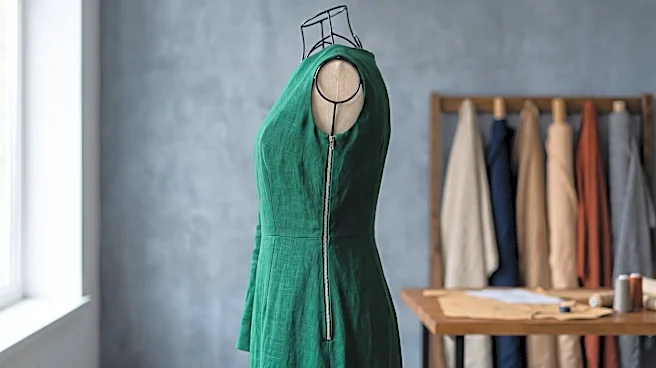
Moving the zipper to the side seam is an elegant solution often found in higher-quality or formal garments. This placement allows the back of the dress to be a single, uninterrupted panel of fabric, which is ideal for showcasing a delicate print, intricate lacework, or the beautiful drape of a bias-cut silk. A side zipper eliminates the risk of lower-back bunching entirely. The trade-off is that it can sometimes create a slight bulge on one side of the body, and since side seams are often curvier, inserting a zipper without warping the fabric requires more skill. It also means the neckline of the dress must be wide enough to pull on over your head, as a side zip doesn't help with neck openings.
Invisible vs. Exposed: Does the Type Matter?
The type of zipper also plays a role. Invisible zippers, with their coils hidden on the reverse side, are the go-to for a clean, seamless look in formal wear and skirts. However, even they can cause subtle puckering if not inserted correctly. Lapped zippers, where a fold of fabric covers the zipper teeth, are a classic application for back and side seams. Then there are exposed zippers, which are used as a deliberate design element. While they can add a modern edge, their heavier weight and metal teeth can be even more prone to causing distortion on lightweight fabrics if not properly stabilized.
How to Find the Perfect Fit
When you're trying on a dress, always check the zipper area in the mirror from multiple angles. Look for pulling, waviness, or bunching. Pay attention to the fabric; a heavy metal zipper on a lightweight satin is a red flag. If you consistently have issues with back zippers creating a pouch of fabric at your lower back, seek out styles with a side zipper instead. For very form-fitting dresses, a side-zip design will almost always provide a smoother, more flattering line across your back. Don't be afraid to ask a tailor for help. Sometimes, a poorly installed zipper can be re-sewn, or a zipper that is too long for the garment can be shortened to fix the issue.