





Purpose: To Cinch or to Boost?
The easiest way to understand the difference is to think about their primary jobs. A corset’s main purpose is to dramatically shape the torso and cinch the waist, creating a pronounced hourglass figure. Its design is all about compression and structure.
Historically, this was for posture correction as much as fashion. A bustier, on the other hand, is designed to lift and enhance the bust. Think of it as a longline bra with added flair. While it smooths the midriff, its focus is squarely on the chest, offering support and creating cleavage without the intense waist compression of a corset.
Construction: The Bones of the Operation
This is where the headline really rings true. The key difference lies in the boning. True corsets use steel boning—either flat steel for rigid support (often along the back laces) or spiral steel for areas that need to curve with the body. This metal skeleton is what allows a corset to withstand the pressure of tight lacing and physically alter your silhouette. Bustiers, if they have boning at all, typically use flexible plastic or polyester strips. This lighter construction provides shape and prevents the fabric from bunching, but it doesn't have the strength to significantly reduce your waist size. The fabrics also differ; corsets rely on rigid materials like coutil, while bustiers often use softer, stretchier fabrics like satin and lace.
Fastenings: Laces vs. Hooks
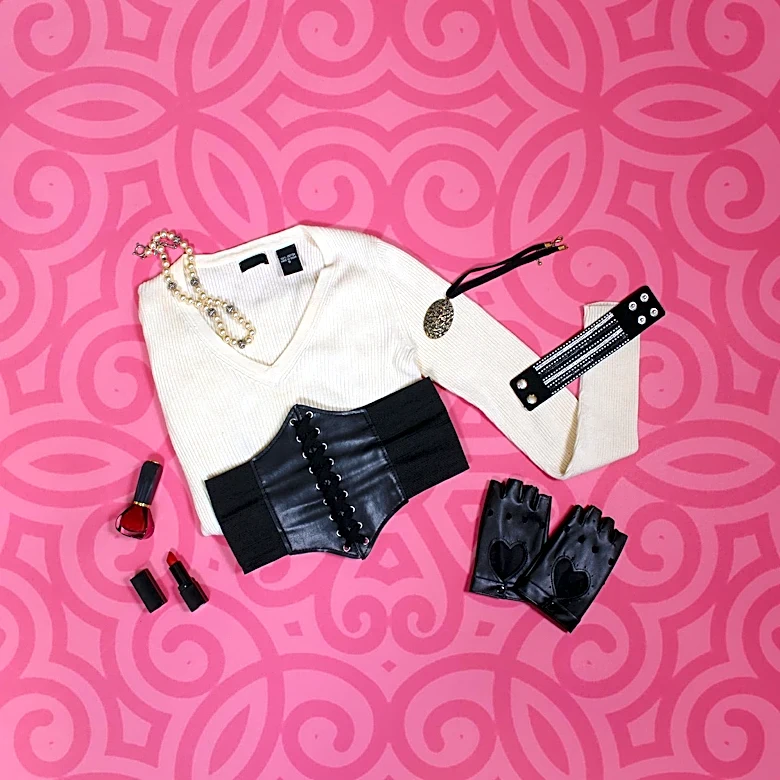
How you get into each garment is another major tell. A traditional corset features a lace-up back with grommets, which allows the wearer to adjust the tightness for a customized level of compression. Many also have a front busk—a series of metal loops and pins—that lets you take it on and off without completely unlacing it every time. Bustiers are much simpler, typically using columns of hook-and-eye closures, similar to a standard bra. This design is fixed and doesn't allow for the same dramatic cinching, reinforcing the bustier's role as a support garment rather than a shaping tool.
The Silhouette: Dramatic vs. Gentle
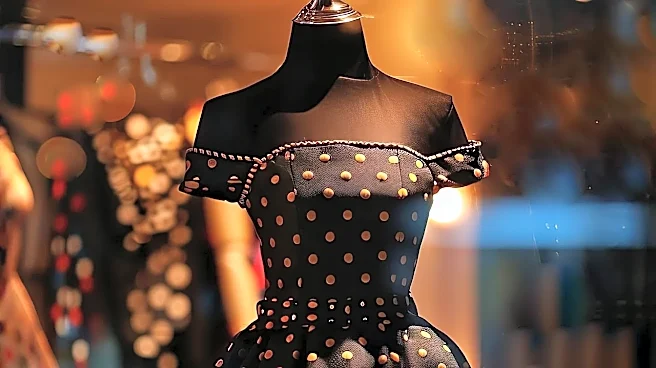
The resulting shape from each garment is distinct. A corset creates a more architectural, structured silhouette by pulling in the waist. They are often longer, extending over the hips to create a smooth, dramatic curve from the ribs downward. A bustier provides a gentler, softer shape. It is typically shorter, ending at the waist or just above the hips. The effect is less about body modification and more about enhancing what’s already there—lifting the bust and lightly smoothing the torso.
When to Wear Which
So, which one do you choose? If you want significant waist definition, posture support, or are creating a historical or high-fashion look with a major hourglass effect, the corset is your answer. It’s a statement piece built for structure. For moments when you want bust support, light shaping, and more comfort, reach for a bustier. It’s the more practical choice for wearing as lingerie, as a fashion top paired with jeans or a skirt, or under an evening gown for a full night of wear without feeling too restricted.