



An Authenticity You Can Feel
The show's nostalgic power comes from a commitment to authenticity over caricature. Costume designer Amy Parris and her team delve into vintage yearbooks, sourcing around 90% of the show's wardrobe from actual vintage pieces or building them from scratch.
This dedication to accuracy means the clothes feel lived-in, not like costumes. The fashion in Hawkins is intentionally kept a bit behind the times, reflecting how a small, pre-internet town would lag behind major city trends. It’s a subtle detail that grounds the supernatural events in a believable reality. The clothes do more than just set the scene; they map each character's personal journey, from Eleven’s evolution from lab gowns to bold mall prints, to Steve Harrington's journey from preppy jock to heroic babysitter.
The Gloomy Hope of a Midwestern Christmas
Season 1 unfolds against the backdrop of late November and early December, a time of year filled with pre-holiday gloom and anticipation. The costumes reflect this, with plenty of corduroy, shearling-lined jackets, and drab plaids. This visual quietness makes the season’s key piece of iconography stand out: Christmas lights. Initially just a background detail, the festive lights become a primary communication device, a lifeline between Joyce Byers and her son Will, who is trapped in the Upside Down. The image of Joyce frantically stringing lights to spell out messages transforms a simple holiday decoration into a tool of desperate hope. It perfectly blends the mundane with the terrifying, using a symbol of seasonal cheer to channel a message from a dark, alternate dimension.
Autumn Anxieties and Halloween Highs
Season 2 leans into the quintessential autumn holiday: Halloween. The boys’ choice to dress as the Ghostbusters is an obvious and beloved 80s reference, but it also serves as a poignant symbol of their collective childhood innocence before the season's horror truly descends. The fall setting is reinforced through a color palette of warm, earthy tones—browns, oranges, and rustic plaids dominate the wardrobe, mirroring the changing leaves and the cozy-yet-creepy vibe of a classic horror movie autumn. This season uses the specific feeling of Halloween, that mix of playful dress-up and genuine fear of the dark, to amplify its central themes of growing up and facing real monsters.
Sun-Soaked Style and Summer Blockbusters
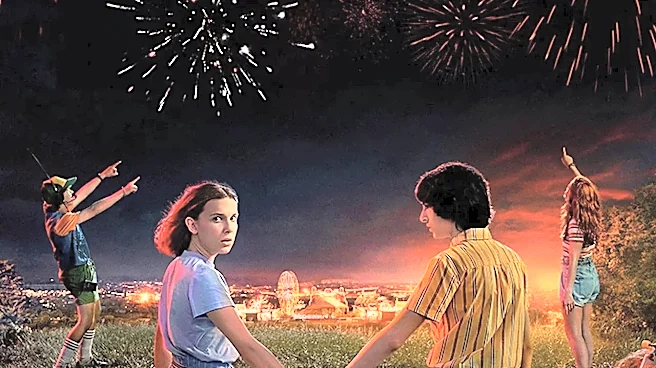
In Season 3, the show moves into the bright, sticky heat of summer 1985, and the entire aesthetic shifts with it. The central hub is the new Starcourt Mall, a temple of 80s consumerism that influences everyone’s style. The muted tones of previous seasons are replaced by neon colors, loud geometric prints, and bold accessories. Eleven, guided by Max, embraces a vibrant “mall rat” look with rompers and scrunchies that symbolize her growing independence. Meanwhile, Steve’s goofy-yet-iconic Scoops Ahoy sailor uniform becomes a fan-favorite costume. The season culminates around the Fourth of July, using the celebratory, patriotic holiday as a backdrop for an explosive battle against the Mind Flayer, perfectly capturing the feeling of a big, loud, 80s summer blockbuster.
The Frayed Edges of Spring Break
Season 4 uses the spring break holiday to explore the fractures forming within the group. The season splits its time between the sun-bleached, pastel world of California and the increasingly dark and grim reality back in Hawkins. This contrast is shown in the clothing: in California, the characters adopt a lighter, more laid-back style, while in Hawkins, the aesthetic veers toward the emerging metal and grunge scenes, most notably with the introduction of Eddie Munson and his iconic Hellfire Club t-shirt. The spring setting, typically a time of renewal, is instead used to signify an ending—the end of high school, the end of the group’s childhood unity, and the looming threat of a final confrontation with the forces of the Upside Down.