

The Sartorial Tightrope
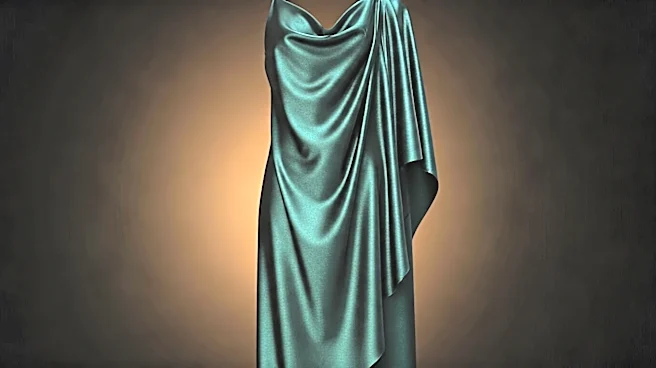
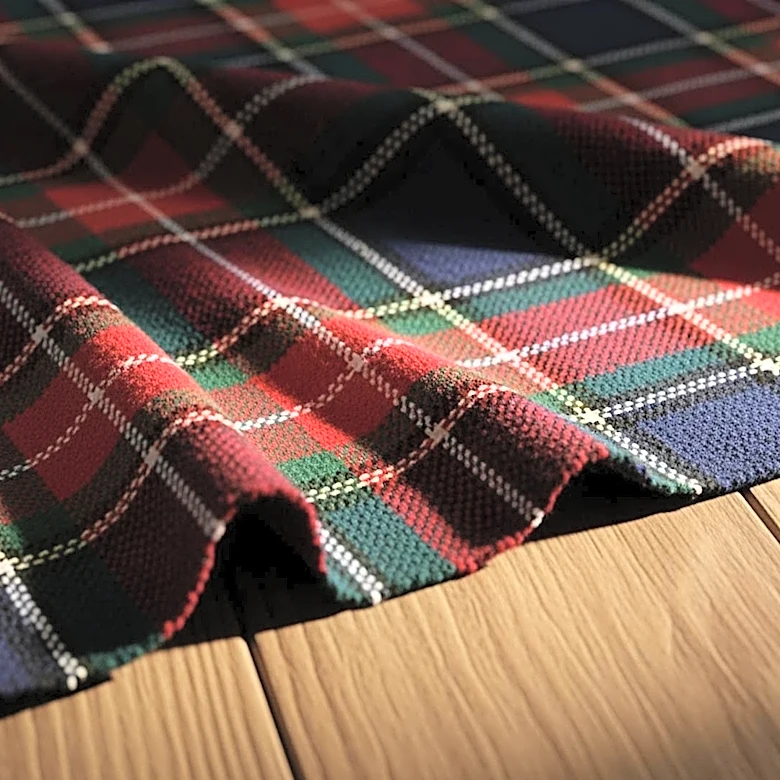
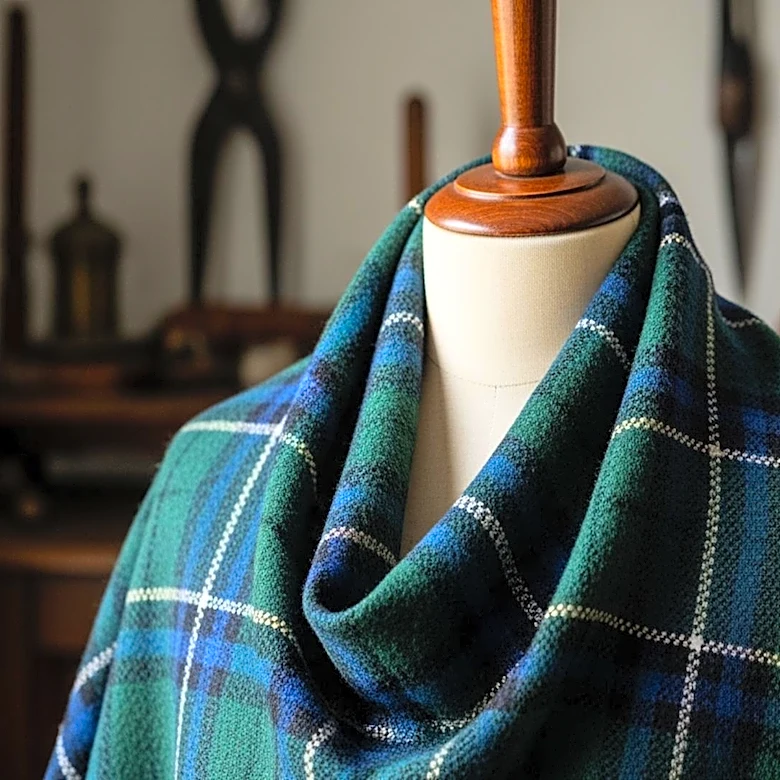
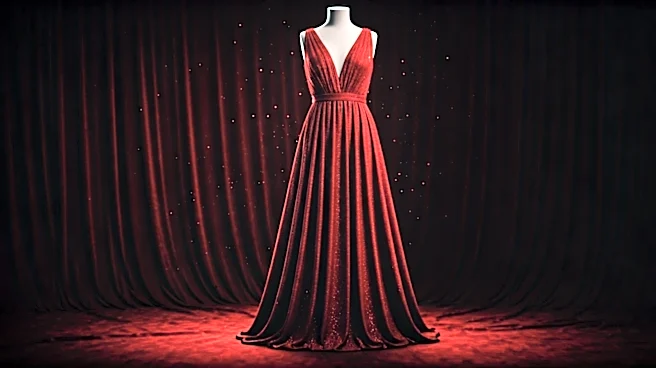
First, a quick fashion lesson. Most garments are cut ‘on the grain,’ meaning the threads of the fabric run vertically and horizontally. A bias cut, however, involves slicing the material at a 45-degree angle to its weave. This seemingly simple change does something magical—and treacherous. It forces the fabric to become more elastic, allowing it to drape and fall in a way that regular cuts can’t replicate. It creates a fluid, second-skin effect that glides over the body’s contours. But this fluidity is a double-edged sword. There’s no structure, no boning, no forgiveness. The dress doesn’t just sit on the body; it becomes one with it, revealing every curve, line, and subtle movement.
A Quietly Radical History
To understand the danger, you have to go back to the 1920s.
French couturier Madeleine Vionnet pioneered the technique, and in doing so, she started a revolution. In an era when women’s bodies were cinched, corseted, and constrained by rigid underpinnings, Vionnet’s bias-cut gowns were an act of liberation. They were often constructed with minimal seams and no darts, designed to be worn without a corset. This was radical. A Vionnet dress celebrated the natural female form instead of molding it into an idealized, artificial shape. It moved with the wearer, not against her. This wasn’t just a new style; it was a new philosophy of dress that suggested a woman’s body didn’t need to be corrected.
Hollywood's Liquid Look
It didn’t take long for Hollywood to embrace this new, sensuous silhouette. In the 1930s, stars like Jean Harlow and Carole Lombard turned the bias-cut satin gown into an emblem of on-screen glamour and seduction. The way the fabric caught the studio lights made the actresses look as if they were poured into their clothes, radiating a potent, languid sensuality. The style fell out of favor for decades but came roaring back in the 1990s, epitomized by Kate Moss’s infamous, sheer slip dress and the minimalist aesthetic of designers like Calvin Klein and John Galliano. Once again, it became a symbol of a certain kind of cool, effortless, and slightly rebellious femininity.
No Room for Error
On a modern red carpet like the AMAs, the stakes are higher than ever. In the age of HD cameras, social media scrutiny, and instant meme-ification, wearing a bias-cut dress is a high-wire act. There is nowhere to hide. The fabric is notoriously unforgiving—it can highlight areas the wearer might prefer to conceal, and an unflattering camera angle can be disastrous. It’s also prone to clinging with static or showing the slightest wrinkle. It demands a specific kind of confidence, an unshakeable comfort in one's own skin. It’s a choice that says, “I’m not wearing armor tonight. This is me.” This vulnerability is its most 'dangerous' quality.
The Power of Vulnerability
Ultimately, the perceived danger of the bias-cut dress is precisely its power. In a celebrity landscape often defined by highly constructed, almost architectural fashion, choosing a dress that is fundamentally soft and revealing is a statement. It’s a rejection of artifice in favor of authenticity. When a star like Rihanna or Zendaya steps out in a slinky, bias-cut number, they are knowingly playing with that legacy of rebellion and sensuality. They are weaponizing vulnerability, turning the dress’s unforgiving nature into a testament to their own confidence. It communicates a quiet power that a more structured, defensive gown never could.