




A Depression-Era Masterpiece
The film was 1973’s Paper Moon, a black-and-white road comedy set in the dusty heart of Depression-era Kansas. Directed by the ascendent Peter Bogdanovich, fresh off The Last Picture Show, the movie centered on a grifting Bible salesman, Moses Pray, and a nine-year-old
orphan, Addie Loggins, who may or may not be his daughter. In a stroke of casting genius, the roles went to real-life father and daughter Ryan and Tatum O'Neal. Their genuine, often prickly chemistry became the soul of the film, blurring the lines between fiction and reality in a way that felt utterly authentic and captivating.
The Argument in the Car
The scene in question is a masterclass in performance and direction. It’s a single, unbroken shot lasting nearly three minutes, filmed inside a moving car. In it, Moses and Addie have a long, circular, and increasingly frustrated argument after running out of the Bibles they use for their cons. The camera remains static, capturing the simmering tension and emotional nuance of their relationship entirely through dialogue and performance. For Tatum, just a child with no prior acting experience, it was a monumental task to nail the complex dialogue and subtle emotional beats in one continuous take. For her father, it was a test of patience and craft, guiding his young co-star through the demanding sequence.
The Director's Dilemma
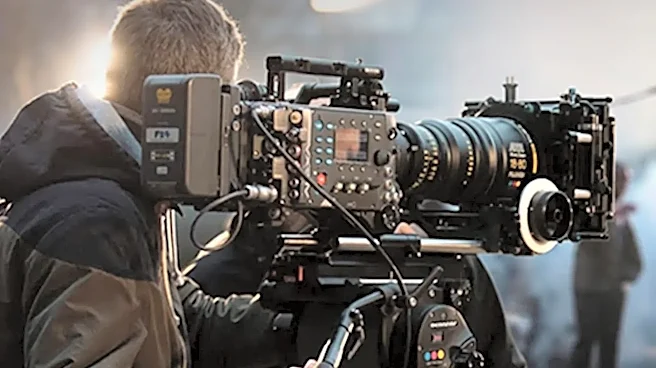
Filming the scene was a grueling ordeal. According to Bogdanovich, it took a day and a half and 39 takes to get right. Each time a line was flubbed, the entire convoy—the picture car, the tow vehicle, and crew—had to turn around on the one-mile stretch of road and reset for another attempt. Despite the immense effort, Bogdanovich later had cold feet. He worried the long, static shot would bore audiences and slow the movie's pace. In the world of commercial filmmaking, a nearly three-minute, dialogue-heavy scene with no cuts is a gamble. He seriously considered leaving it on the cutting room floor, a casualty of editorial caution.
Saved from the Cutting Room Floor
Fortunately, wiser heads prevailed. Polly Platt, the film’s production designer and Bogdanovich's then-wife, was a key creative voice on the project and reportedly championed the scene, recognizing its raw, emotional power. Other influential figures, including legendary director Orson Welles—a friend and mentor to Bogdanovich—also saw its brilliance. They understood that the scene wasn't just an argument about Bibles; it was the entire heart of the movie distilled into a single, unforgettable moment. It was a testament to the actors' connection and the core of the story: two lonely drifters slowly, stubbornly becoming a family.
An Essential, Oscar-Winning Moment
Keeping the scene was arguably one of the most important decisions in the making of Paper Moon. It’s a showcase for Tatum O'Neal, whose astonishingly natural and witty performance would go on to win her an Academy Award for Best Supporting Actress, making her the youngest competitive Oscar winner in history. The scene perfectly encapsulates Addie's sharp intelligence and surprising maturity, as she runs circles around the more experienced but less clever Moses. It establishes their dynamic better than any montage ever could. Without it, the film would lose its most potent display of their evolving bond, transforming what might have been a simple comedy into something far richer and more resonant.