





An Unlikely Alliance of the Lonely
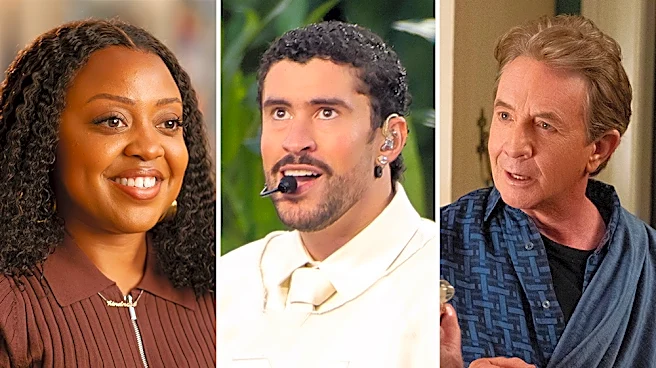
On paper, the trio makes no sense. Charles-Haden Savage (Steve Martin) is a semi-reclusive former TV star, Oliver Putnam (Martin Short) is a flamboyant and financially desperate theater director, and Mabel Mora (Selena Gomez) is a guarded, artistic millennial
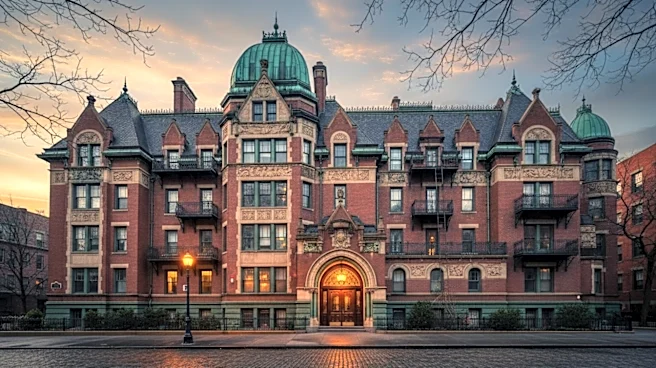
with a traumatic past. They are separated by decades and dispositions, coexisting silently in the grand Arconia building until a shared love for a true-crime podcast and a sudden death in their midst forces them together. Initially, they aren't friends; they are three lonely people who happen to find the same morbid hobby. Their partnership begins as a means to an end—to solve a crime and, for Oliver, to launch a podcast—but it accidentally becomes the cure for the isolation each of them feels acutely.
Healing Through Shared Purpose
Each character is nursing a private sorrow. Charles is haunted by past relationships, Oliver by professional failure, and Mabel by the loss of her childhood friends. The podcast gives them a project, but their evolving friendship gives them a lifeline. They begin to fill the empty spaces in each other's lives, turning stakeouts into therapy sessions and podcast recordings into moments of genuine connection. In solving murders, they are also helping to heal one another. Charles learns to open himself up to others, Oliver rediscovers a sense of purpose, and Mabel finds two people she can finally trust with her guarded heart, admitting they are her first real friends in a long time. Their shared mission gives them a reason to need each other, and that need blossoms into authentic care.
The Texture of Real Family
What makes their bond so believable isn't just the big, dramatic moments of saving each other from killers. It's the small, everyday texture of their interactions. It's in the bickering over podcast strategy, the generational clashes over slang, and the gentle mockery of each other's eccentricities—from Charles's omelets to Oliver's obsession with dips. These quirky, often hilarious details prevent their relationship from feeling like a manufactured plot device. They operate less like a slick detective team and more like a real, slightly dysfunctional family. They annoy each other, they get on each other's nerves, and they sometimes misunderstand each other completely. But this messiness is precisely what makes them feel so genuine. It mirrors the imperfect, unconditional acceptance that defines the strongest families.
A Fierce, Unspoken Loyalty
For all their squabbling, a fierce loyalty unites the trio when it matters most. They break into apartments for each other, lie to the police for each other, and put themselves in harm's way to protect one another without a second thought. This dynamic is central to the "found family" trope, where characters brought together by circumstance develop an unshakable bond. While the murders provide the thrilling plot, the trio's unwavering support system is the show's emotional core. They may have come together to investigate a death, but they stay together out of a profound, hard-won love. It proves that family isn't just about blood; it's about the people who show up, who stay, and who see you through the darkness, even if you just met in an elevator.