
An Anchor in a Sea of Spooks
The tradition of Halloween television specials is a long and storied one, stretching back decades to a time when entire evenings were programmed around the holiday. For many, the quintessential example is 1966's It's the Great Pumpkin, Charlie Brown.
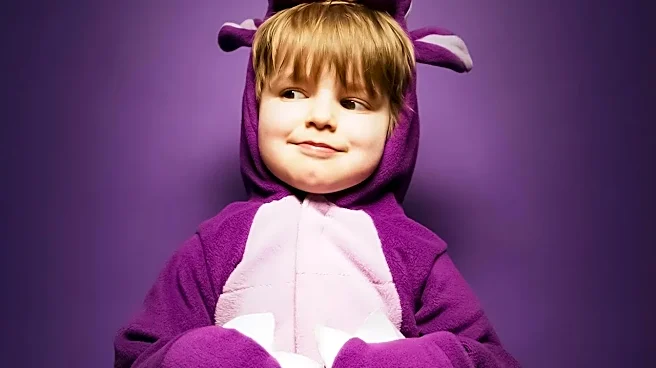
The special isn't scary; its emotional weight comes from childhood disappointments and unwavering faith in the face of peer mockery. Placing a child like Linus at the center—not as a victim of horror but as a bastion of belief—instantly reframes the supernatural. The 'Great Pumpkin' isn't a monster to be feared but a magical figure to be awaited. This use of a child protagonist acts as an anchor, grounding the supernatural in a world of innocent belief rather than terror. It tells the audience that, no matter how strange things get, the perspective will remain rooted in something fundamentally safe and familiar.
The Safe Entry to Scarier Worlds
Not all Halloween stories are as gentle as Peanuts. Take a film like Hocus Pocus, a movie that flopped in 1993 but became a cultural institution through repeat viewings on television. The story involves child-eating witches and a talking zombie, yet it's considered a family-friendly classic. The reason? The adventure is filtered through the eyes of its young protagonists: the skeptical Max, his plucky little sister Dani, and their new friend Allison. Their presence serves as a buffer. While Bette Midler and her co-stars are chewing the scenery as menacing witches, the audience's allegiance is with the kids. We experience the threat through their problem-solving and wisecracks, which transforms genuine peril into a thrilling, but manageable, adventure. The child performers don't erase the scares; they give the audience a safe vehicle to navigate through them, making it a perfect gateway for younger viewers into the broader horror genre.
Turning Up the Dial on Childhood Fears
Then there's the flip side. Instead of softening the horror, sometimes child performers allow storytellers to tap into a more primal and resonant kind of fear. This is the magic of a show like Stranger Things. The creators were told that a show with child leads couldn't be for an adult audience, yet they proved that premise wrong. The series works because its horrors are extensions of universal childhood anxieties: being lost, facing bullies, and the terrifying feeling that adults won't believe you when something is truly wrong. The monsters, from the Demogorgon to Vecna, are literal manifestations of trauma, grief, and the horrors of growing up. As the characters age, the show's horror elements mature with them, moving from a Spielberg-esque adventure to genuine body horror and psychological torment. Here, the child performers aren't there to make us feel safe. They’re there to remind us of a time when we were most vulnerable, making the scares hit that much closer to home.
Forging a Nostalgia That Lasts
Ultimately, the most powerful effect child performers have on Halloween television is their ability to create lasting nostalgia. Watching Linus in the pumpkin patch, the Dennison kids outsmarting witches, or the Hawkins gang fighting monsters becomes an annual tradition. These characters don't age for us. They are preserved in time, forever representing that specific blend of autumn chill, spooky excitement, and childhood innocence. The actors themselves might move on—Omri Katz from Hocus Pocus is now a hairstylist, and the Stranger Things kids are young adults—but their on-screen personas become a permanent part of our holiday rituals. This creates a powerful feedback loop. We introduce these specials to our own children, sharing a piece of our past and ensuring that these stories, and the specific tone they strike, endure for another generation.