






The Last Dance with Destiny
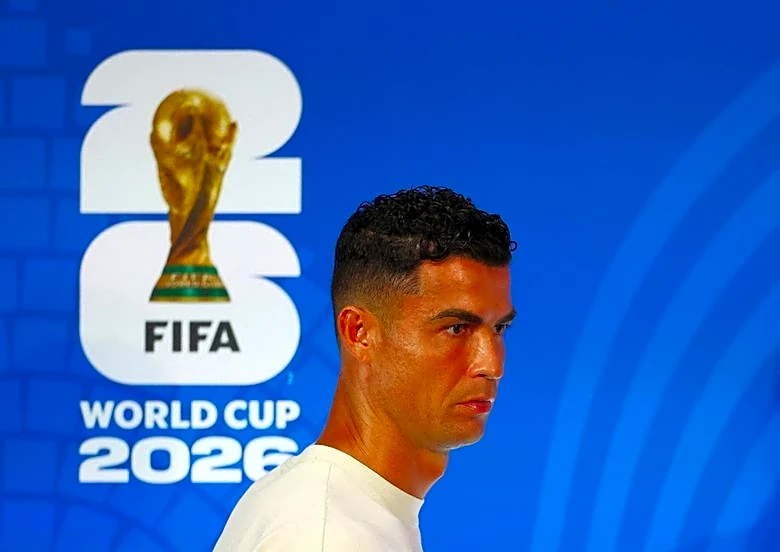
For nearly two decades, the world of soccer has revolved around two titans: Lionel Messi and Cristiano Ronaldo. Their rivalry defined an era, pushing the boundaries of greatness. Now, as the 2026 World Cup unfolds across North America, they both arrive
for a record-breaking sixth tournament facing the same final boss: time itself. Ronaldo, at 41, and Messi, at 39, are not just chasing another trophy; they are chasing history and wrestling with a legacy. Ronaldo has been clear that this will 'definitely' be his last World Cup. For a player who has won nearly every honor except the World Cup, this is the final, gaping hole in a monumental career. Messi, having finally conquered the world in 2022, now plays with the pressure of defending that crown, all while admitting he is taking it 'one day at a time' to see if his body can hold up. The fear isn't just about losing a match; it's the fear of losing the one thing that has defined their entire adult lives.
A Battle Against the Body
Modern sports science has extended careers to once-unthinkable lengths, allowing players like Ronaldo, Messi, and 40-year-old Croatian midfielder Luka Modrić to compete at an elite level. But science cannot entirely defeat biology. For these legends, every match is a calculated risk. The explosive speed that once defined them has been replaced by a more cerebral, efficient style of play. They must manage their minutes, pick their moments, and fight the constant threat of a muscle tear or a twisted ankle ending their dream prematurely. This physical battle creates a unique psychological strain. The fear of not being able to keep up, of a younger, faster opponent getting the better of them, is a quiet anxiety that hums beneath the surface of every performance. They are no longer just playing against the other team; they are playing against their own bodies and the inevitable decline that comes for every athlete.
The Psychology of the End
For elite athletes, retirement isn't just a job change; it can be a profound loss of identity. After a life built on a rigid structure of training, competition, and singular focus, the silence that follows can be deafening. Studies show that many athletes struggle with mental health issues after their careers end. This final World Cup represents the last roar before that quiet descends. For a player like Modrić, whose Croatian team has come agonizingly close with a final and a third-place finish, this tournament was the last chance to deliver a title. His frustration after a controversial exit in the round of 32 was palpable, not just about one game, but about the end of a dream. The fear, then, is deeply human: the fear of what comes next. Who are you when you are no longer the hero on the pitch? This question haunts the final chapter of every great sporting story.
The New Generation's Shadow
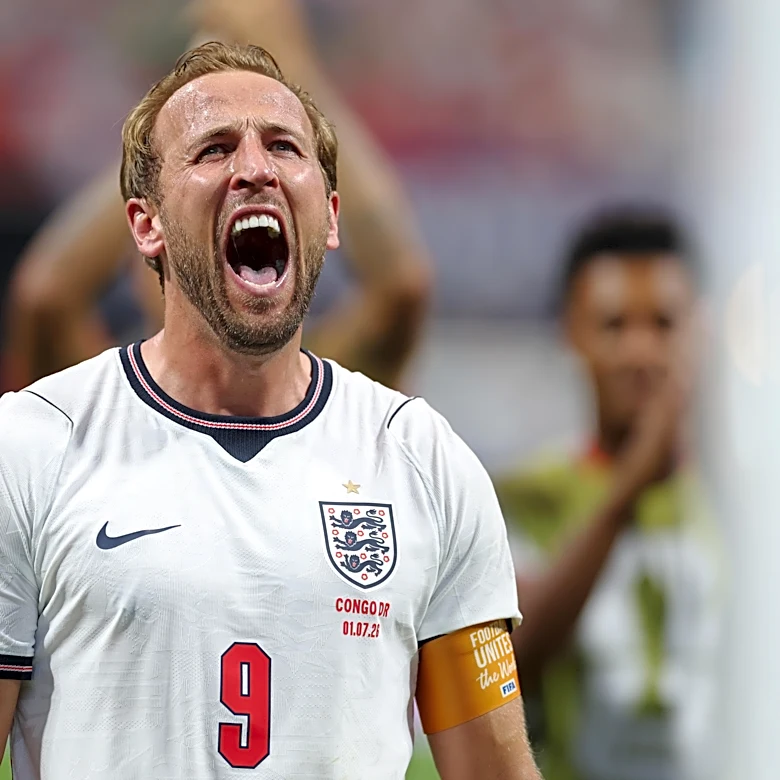
Adding to the pressure is the undeniable rise of a new generation no longer content to wait in the wings. While Messi and Ronaldo still command the spotlight, players like France's Kylian Mbappé and Norway's Erling Haaland represent the future, and the future is now. This World Cup is not just a 'last dance' for the old guard; it is also a coronation for the new kings. The legends are competing on two fronts: against their direct opponents and against the rising tide of history. They see in these young, hungry players a reflection of their former selves—the boundless energy, the raw ambition, the fearlessness. This serves as a constant, vivid reminder of what they are about to leave behind, making the desire to prove they still belong on this stage—for one last month—all the more ferocious.