



The Argument for Original Ownership
For Generation X, the summer blockbuster isn’t just a film; it was a cultural event. The very concept was born with them, starting with the terror of Jaws in 1975, a movie that kept a generation out of the water. This was a pre-internet, pre-streaming
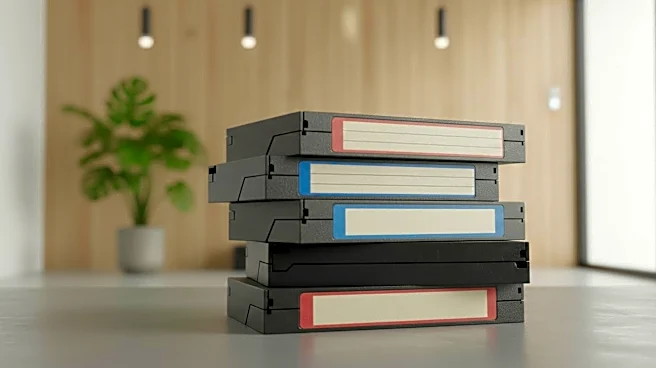
world where movies were appointments. You gathered your friends, snuck candy into the theater, and shared a collective gasp or cheer. The experience was singular and communal. Films like Star Wars, E.T., and Indiana Jones weren't just watched; they were formative, shaping everything from playground games to career aspirations. Owning the VHS tape or catching it on cable was the only way to relive the magic. For Gen X, this era represents a more intentional form of movie-watching, an event that couldn't be paused, skipped, or scrolled past. Their claim isn't just about seeing it first; it's about having lived through the cultural earthquake these films created in real-time.
The Case for Modern Rediscovery
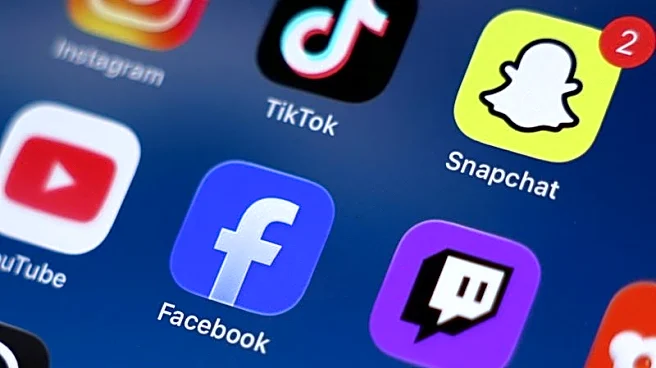
Enter Gen Z, a generation that has never known a world without a limitless library of content at their fingertips. For them, a “classic” film isn't a memory but a discovery. They encounter these movies not in a hushed theater, but through TikTok edits, YouTube video essays, and Instagram fashion accounts. A film like Top Gun isn't just a movie; it's the source of a killer soundtrack for a viral trend and a style reference. This generation engages with films in a fundamentally different way—they dissect them, critique them, and remix them into new forms of content. Their “ownership” comes from their power to re-contextualize. They can call out dated elements while simultaneously falling in love with the core story, creating a complex, layered appreciation that the original audience might not have. Through this lens, Gen Zers are not just passive viewers; they are active curators and amplifiers, breathing new life into films that might otherwise gather dust in a digital archive.
The Cultural Hand-Me-Down
The friction between these two perspectives misses the point. The debate over ownership implies that culture is a finite resource. It's not. Classic films aren't trophies to be won; they're stories to be passed down. Gen X’s nostalgia provides the context and the foundation. Their memories are the primary source documents of a film's initial impact. They are the keepers of the original flame, remembering what it felt like when that boulder first rolled in Raiders of the Lost Ark. However, Gen Z's role is arguably just as vital. Their rediscovery, often driven by nostalgia for a time they never experienced, is what keeps these stories relevant. They are the ones ensuring The Breakfast Club or Ferris Bueller's Day Off remain part of the cultural conversation, introducing them to new audiences and ensuring their themes continue to resonate. Without Gen X, the stories might lose their history. Without Gen Z, they might lose their future.
It's a Conversation, Not a Competition
Ultimately, the answer to “who owns the classic summer blockbuster?” is no one and everyone. Cultural touchstones don't belong to a single generation; they are defined by their ability to transcend them. The magic of a film like Back to the Future is that it can be cherished by someone who saw it in the theater in 1985 and someone who discovered it on a streaming service in 2025. The former can explain why the DeLorean was such a wild choice, while the latter can create a meme about Marty McFly’s fit that gets seen by millions. Both acts contribute to the film’s legacy. Gen X provides the authenticity of the original experience, while Gen Z offers the engine of modern relevance. One is the roots, the other is the new branches. Both are part of the same tree, and the stories are what keep it growing.