





The Draft as a Red Carpet Event
Not so long ago, the NFL and NBA drafts were relatively dry, administrative affairs held in hotel ballrooms. They were for die-hard fans and stats nerds, broadcast with all the glitz of a municipal town hall meeting. The focus was simple: what team gets
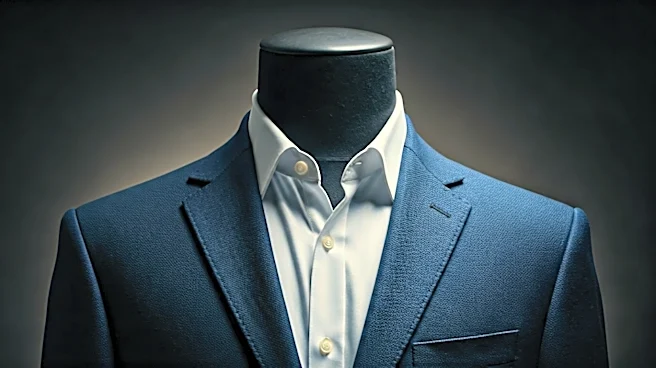
what player, and how does that player’s on-field talent fill a need? Today, that’s just one part of the show. The draft has morphed into a full-blown primetime entertainment spectacle, complete with a red carpet, celebrity analysts, and all the high-stakes drama of a season finale. This transformation from business transaction to blockbuster event is the foundational reason why the suit matters. When an event is framed as entertainment, its participants are judged as entertainers. The athlete walking the stage is no longer just a prospect; they are a character being introduced to a national audience for the first time. The suit is their costume, their grand entrance. It’s the first thing we can see and judge, offering an immediate, visual data point long before they ever touch a ball professionally. In a world saturated with visual media, the first impression is everything, and on draft night, that impression is woven from silk, satin, and bold personal statements.
Building the Brand Before the First Snap
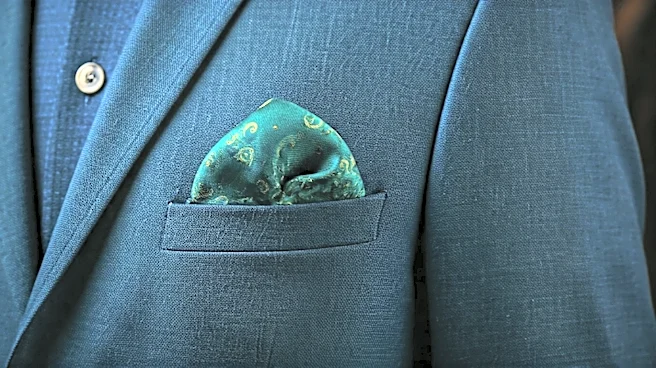
The modern professional athlete is a CEO, and their career is their corporation. This mindset starts years before they sign their first multi-million dollar contract. By the time a player reaches the draft, they often have a team of agents, PR specialists, and brand managers. Their draft night appearance is the official launch of their professional brand, and the suit is the logo. Is it bold and flashy, like Sauce Gardner’s diamond-studded chains and wide-lapelled suit? That signals confidence, swagger, and a New York-ready personality. Is it classic and understated? That suggests a quiet, business-first professional. Is it deeply personal, like CeeDee Lamb’s suit lined with photos of his heroes? That tells a story of gratitude and ambition. Fans, consciously or not, understand this. Screenshotting the suit isn't just about fashion; it's an initial analysis of the player's brand strategy. It’s a clue to their personality, their self-awareness, and how they see themselves entering the league. In an era where off-field endorsements and personal branding can rival or even surpass a player’s salary, their stylistic choices are as much a part of their professional toolkit as their crossover dribble or their route-running ability.
The Viral Moment Machine
We live in the age of the instant reaction. Twitter (now X), Instagram, and TikTok are the digital arenas where public opinion is formed in real-time. A player's draft night outfit is perfect fodder for this ecosystem. It’s visual, easily digestible, and ripe for immediate commentary, memes, and hot takes. A well-executed look can make a player a trending topic before the commissioner even finishes announcing their name. A fashion misstep can lead to instant, widespread ridicule. This dynamic creates a feedback loop. Players and their stylists know their look will be dissected online, so they lean into it, designing outfits specifically to generate buzz. Fans know this, too, and they arrive at their keyboards ready to play their part as judges and commentators. The screenshot is the evidence, the opening argument in a digital courtroom. Debating the fit, the color, or the audacity of a diamond-encrusted collar is more accessible to the average fan than breaking down complex defensive schemes or projecting a player's statistical ceiling. It’s a way for everyone to participate in the conversation, turning a passive viewing experience into an interactive one.
A Suit That Tells a Story
Ultimately, the focus on fashion speaks to a desire for narrative. Sports are compelling because of the stories they tell—of underdogs, hometown heroes, and relentless competitors. A player's stats are just one part of that story. Their draft night suit often provides the prologue. When Victor Wembanyama, the much-hyped French phenom, wore a striking all-green suit, it wasn’t just a color choice; it was a nod to sci-fi and an otherworldly persona, perfectly fitting the “alien” nickname he’d been given for his unique talents. When future stars line their jackets with the flag of their parents’ home country or symbols of their hometown, they are telling us where they come from and what drives them. These details provide a narrative hook, giving fans an emotional entry point to a player’s journey. It humanizes the athletes, transforming them from a set of measurements and statistics into a person with a story we want to follow.