








The Steel Giant Under the Mountain
The first thing that strikes you about Estadio BBVA isn’t its size, but its setting. Nestled against the dramatic, jagged silhouette of the Cerro de la Silla mountain, the stadium doesn't just occupy the landscape; it communicates with it. Designed by
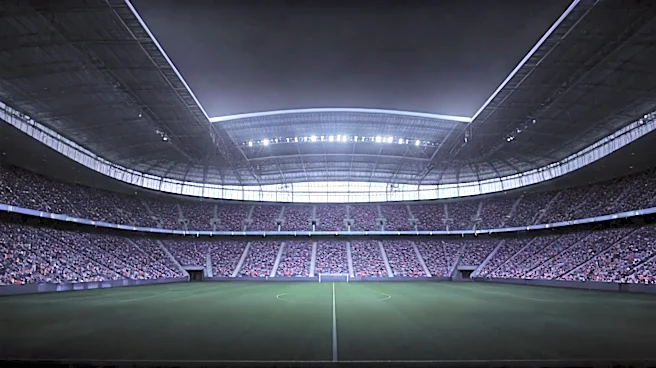
the global architecture firm Populous, the venue’s sweeping, asymmetrical form was intentionally crafted to frame the iconic mountain. The roof on the southern end dips low, creating a breathtaking panoramic window for spectators inside, ensuring the natural landmark is a silent, powerful spectator at every match. This thoughtful orientation is a core part of its identity, but it’s the stadium’s skin that gives it its nickname: “El Gigante de Acero,” or “The Steel Giant.” Clad in aluminum and rolled steel, the design pays direct homage to Monterrey’s history as an industrial powerhouse of steel manufacturing and brewing. It’s a building that looks and feels like it belongs to Monterrey, reflecting the city’s heritage in its very bones.
Engineered for Intimidation
A beautiful stadium is one thing, but a stadium that amplifies the roar of 53,000 fans into a deafening wall of sound is a tactical advantage. The design of Estadio BBVA is an acoustic masterpiece. The massive, cantilevered roof and the steep, 34-degree rake of the seating bowl are engineered to trap and reflect crowd noise back onto the pitch. This creates an intense, intimidating cauldron of sound that energizes the home C.F. Monterrey team, known as the Rayados, and overwhelms opponents. The architects' goal was to balance this monumental scale with a feeling of intimacy. To achieve this, the stands were pushed as close to the field as FIFA regulations permit, making every fan feel directly connected to the action on the grass. This proximity doesn’t just offer great views; it makes the crowd an active participant, their energy a tangible force in the game.
A Fan-First Philosophy
Beyond the pitch, the stadium was conceived with a revolutionary goal for the region: to create an exceptionally comfortable and welcoming fan experience. Recognizing that the passionate fan culture in Mexico could sometimes feel rough, the designers focused on making everyone feel safe and accommodated, from families to corporate guests. The venue boasts the largest premium seating offering of any soccer stadium in Latin America, with 4,500 club seats and 324 luxury suites. Yet, these hospitality zones are strategically integrated so as not to dilute the electric atmosphere of the general admission areas. The concourses are spacious, and amenities are plentiful, a deliberate shift from older venues. Even the climate was considered; the stadium is designed to “breathe” naturally, with gills in its metallic facade that channel cooling breezes through the bowl, a crucial feature in Monterrey’s hot climate.
A Symbol of Modern Monterrey
Opened in 2015, Estadio BBVA represented a new era for sports venues in Mexico. It was more than just a replacement for C.F. Monterrey's old home; it was a statement about the city's forward-looking identity. The $200 million project was the most expensive stadium in the country at the time of its construction and was the first in North America to receive a silver certification from LEED for its sustainable design. More than a third of the site is permeable green space, which helps manage rainwater and integrates the structure into the surrounding ecology park. This blend of cutting-edge technology, fan-centric amenities, and deep cultural resonance has turned the stadium into a landmark. It’s a venue built not just to host games, but to represent the soul of a city and the unwavering passion of its fans.