

The Three-Minute Audition
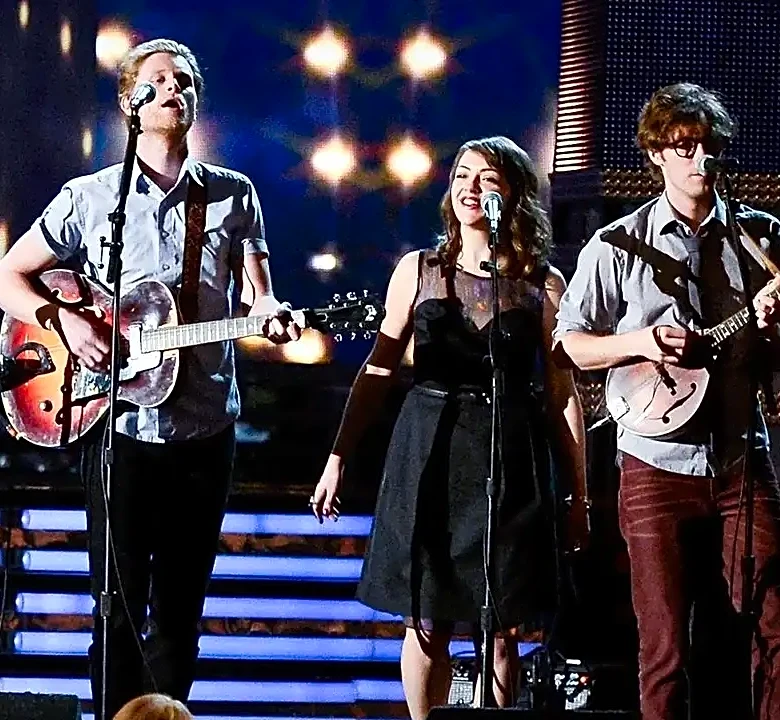
A musical guest slot on late-night television is less a concert and more a high-stakes, nationally televised audition. The goal is surgical precision: deliver one, maybe two, perfectly polished songs to a massive, unseen audience. Everything is compressed.
The time is brutally short, the production is flawless, and the pressure is immense. The performance is often designed to promote a new album or tour, making it a crucial commercial for the artist's brand. This environment reveals a specific part of an artist's identity: their professionalism. It shows they can operate within the demanding confines of the mainstream media machine, delivering a flawless product under bright lights and a ticking clock. While the musical performances themselves can be spectacular, they are often a carefully constructed facade, showcasing craft and poise over raw, spontaneous vulnerability.
The Communal Campfire
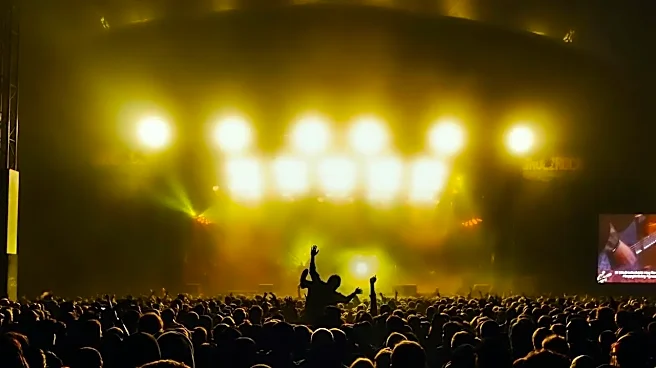
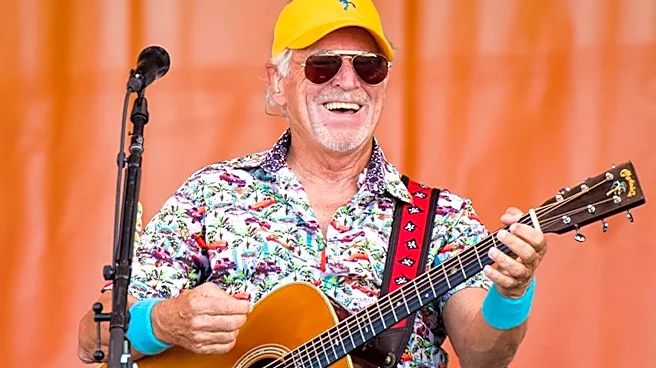
The Newport Folk Festival, held annually in Rhode Island's Fort Adams State Park, is the antithesis of the late-night pressure cooker. It’s an institution built on a legacy of community, collaboration, and historical significance. Artists often get longer set times, are encouraged to collaborate with others on the bill, and perform for a self-selecting audience of devout music fans who bought tickets months in advance, often before the lineup was even announced. This environment fosters a different kind of performance. Artists are known to take more risks, tell stories between songs, and lean into a more relaxed, intimate vibe. The history of the festival, from Bob Dylan going electric to Joni Mitchell's surprise return, creates a sense that anything can happen. It reveals the artist as a creator and a community member, not just a product. It's a space that values the songcraft and the shared experience over a perfect promotional moment.
Authenticity: Polished vs. Unplugged
The very definition of authenticity is what's at stake. A late-night set presents a version of authenticity rooted in flawless execution. It's the artist as a master of their craft, able to replicate their sound perfectly in a high-pressure environment. The audience is largely there for the host, and the musical guest must win them over with sheer talent and charisma. Newport's authenticity is more organic and unscripted. The audience is there specifically for the music, creating a palpable feedback loop of appreciation and respect that encourages artists to be more open. As one musician noted about Newport, the crowd is full of "legit music fans who are here to listen to songs," giving artists a chance to be heard in a way a studio audience might not allow. This creates a space where a quiet, lyrical song can land with as much impact as a festival anthem.
The Verdict: Two Sides of the Same Coin
To ask which showcase is 'better' is to misunderstand their functions. They aren't competing; they're complementing. A late-night TV appearance is an artist’s professional resume. It’s proof they can navigate the industry, reach a broad audience, and deliver a compelling, bite-sized version of their work. It’s a showcase of their identity as a professional performer and public figure. The decline in these slots on some shows has made them an even more coveted sign of mainstream arrival. Newport, on the other hand, is an artist’s creative diary. It’s where they can experiment, connect with their peers, honor their influences, and share a more unvarnished version of themselves with a deeply invested audience. It reveals their identity as a songwriter, a collaborator, and a member of a continuing musical tradition. One is a sprint, the other a marathon, and a truly well-rounded artist needs to be able to succeed at both.