







The Two-Year Design Journey
Long before a ball is kicked, the battle for hearts, minds, and wallets begins in design studios. Both Nike and Adidas operate on an 18-to-24-month design cycle for major tournament kits. This isn't just about slapping a crest on a new template. It's
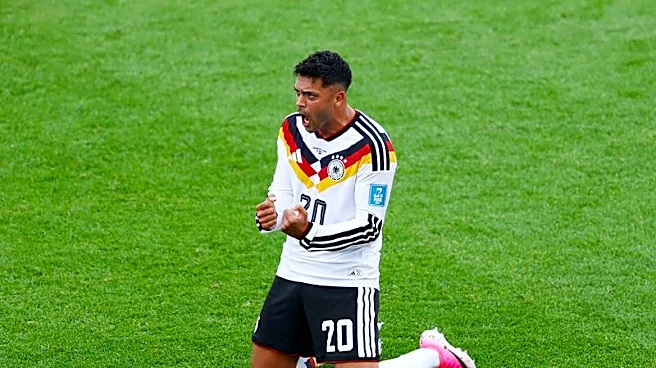
a deep dive into a nation's culture, history, and even its future aspirations. Designers consult with football federations, pore over national symbols, and dig through archives looking for inspiration. The goal is to create a story. Adidas might lean on its deep heritage, reinterpreting iconic designs from the '80s and '90s for a new generation, as they did with Germany's and Argentina's recent kits. Nike often positions itself as the challenger, pushing the boundaries with bolder, more abstract designs intended to capture the 'energy' of a nation, like the much-discussed 2018 Nigeria kit.
Manufacturing Hype and Scarcity
The single greatest case study in modern kit culture is Nigeria's 2018 World Cup collection by Nike. The 'Naija' kit wasn't just released; it was unleashed. It broke from traditional design with its vibrant, feather-patterned zig-zag, a nod to the 1994 team's style but remixed for the social media age. Nike seeded the kit with influencers and musicians, making it a fixture in street style blogs months before the tournament. When it finally dropped, it sold out in minutes, with millions of pre-orders logged. This was a masterstroke. The brand created a 'grail' item, a piece of clothing whose cultural value far exceeded its function. The lesson was clear: a kit could be a fashion event. Adidas has its own version of this, often using its deep legacy with teams like Germany or Spain to create a sense of timeless authority, marketing their kits as authentic pieces of football history you can own.
The Art of the Reveal
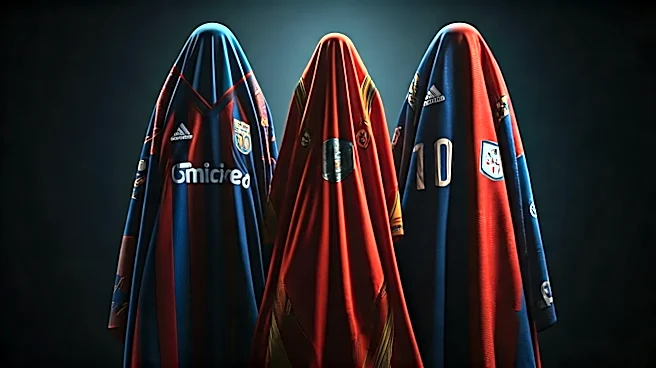
A kit doesn't just appear in stores. Its arrival is a carefully orchestrated media campaign. The 'leak' is often the first phase—blurry images appearing on specialty websites, fueling debate and building anticipation among hardcore fans. Is it real? Is it a fake? This organic buzz is priceless. Then comes the official launch. Brands stage elaborate photoshoots featuring star players, but also local artists, musicians, and fans. The message is clear: this jersey belongs to the culture, not just the team. For the U.S. market, Nike has often leaned into a broader sense of American identity, like the controversial 1994 'denim' kits from Adidas (before Nike had the contract) or Nike's own recent tie-dye and paint-splatter designs. They know that for many American fans, soccer is part of a wider cultural identity, intertwined with fashion and music.
Designed for the Street, Not Just the Stadium
Look closely at the marketing for new national team jerseys. You're just as likely to see them paired with jeans and sneakers as you are with shorts and cleats. This is the 'pitch to pavement' strategy. Nike and Adidas understand that the vast majority of jerseys sold are worn by fans, not players. The modern kit is designed with a lifestyle-first mentality. The fit is more fashionable, the fabrics are more comfortable for casual wear, and the designs are often bold enough to stand alone as a style statement. They are creating collectibles that tap into nostalgia and national pride, but are ultimately purchased as fashion items. By making the jersey a legitimate piece of streetwear, the brands expand their market beyond die-hard soccer fans to anyone who wants to participate in the global cultural moment of a World Cup.