





An Arena-Sized Party
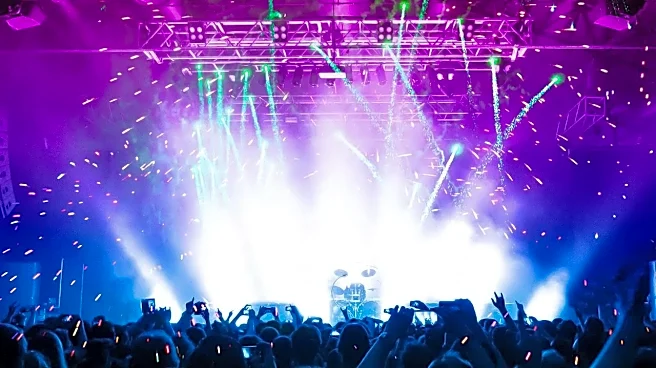
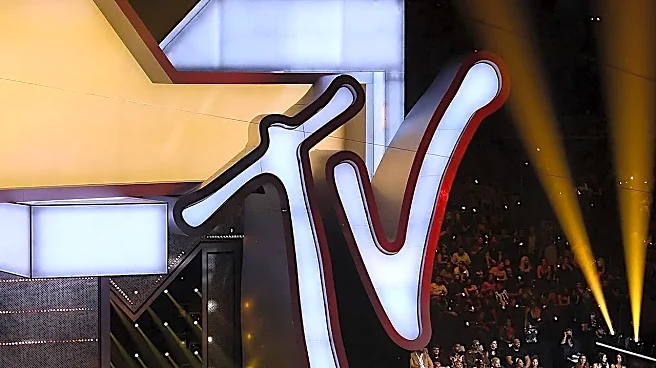
Unlike the formal, proscenium-style setups of shows like the Oscars, the VMAs aim to feel like a party that has completely taken over an arena. Production designers have consistently spoken about the need to create a 360-degree, immersive environment.
The goal is to break down the traditional separation between the performers, the famous attendees, and the fans. By designing for the camera from all angles, the show ensures there is no bad seat in the house because the 'house' is the entire venue. Every shot is packed with visual detail, from glowing LED strips to reflective surfaces, making the space feel dense and alive on screen. This approach turns the whole arena into a potential broadcast set.
The Multi-Stage Solution
One of the VMAs' biggest logistical challenges is its sheer number of performances. To solve this, designers rely on a multi-stage layout. The 2024 awards, for example, featured four distinct stages. This typically includes two large, parallel main stages that allow one performance to be set up while another is happening. When an act finishes on Stage A, the cameras can immediately cut to a new performance starting on Stage B, creating a seamless, high-energy flow. This 'hot swap' is a core part of the show's relentless pacing. It’s a logistical necessity disguised as creative ambition, ensuring there are no lulls in the broadcast as huge set pieces are moved on and off stage.
Walkways as Connective Tissue
Long catwalks, ramps, and walkways are more than just a way for artists to get from point A to point B; they are the architectural veins of the show. These structures link the various satellite stages, creating a unified, sprawling landscape. They allow for dramatic, moving entrances and give performers the ability to traverse the entire arena floor, breaking out of a static stage picture. For the television audience, these walkways provide dynamic camera tracking shots that create a sense of journey and scale. By building a network of paths, designers transform a flat arena floor into a multi-dimensional environment that feels both expansive and interconnected.
Risers, Lifts, and Fan Pits
To add verticality and intimacy, VMA designs strategically use risers and lifts. Tiered audience sections are often built directly into the set, placing fans within the performance space and creating a wall of human energy that looks incredible on camera. In 2024, a central fan stage could rise 19 feet in the air, bringing audience members closer to the action and creating a dynamic focal point. Hidden stage lifts add another layer of surprise, allowing artists to ascend from beneath the stage or descend from the ceiling, as seen in past shows. This vertical movement adds visual drama and reinforces the idea that, at the VMAs, a performance can happen anywhere.
The Satellite Stage Effect
Beyond the main stages, designers often place smaller 'satellite' stages deep in the audience or at the far end of the arena. These B- and C-stages serve multiple purposes. They create intimate moments, like an acoustic performance, in the midst of a massive event. They also enhance the sense of scale by showing just how much ground the show covers. By having an artist perform in a completely different part of the room, the broadcast reinforces that the entire venue is one giant stage. This strategy helps democratize the experience, making fans feel like an integral part of the spectacle rather than just observers.