


The Runway as a Marketing Engine
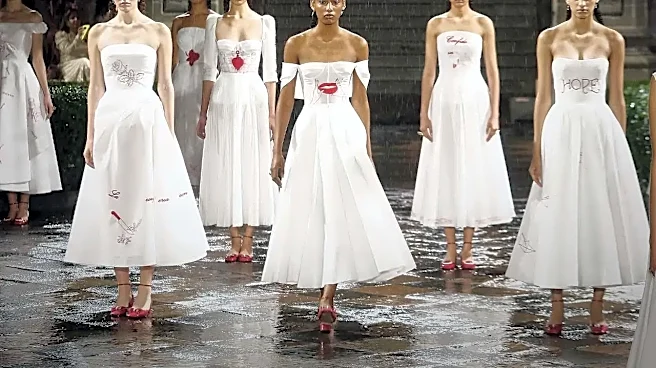
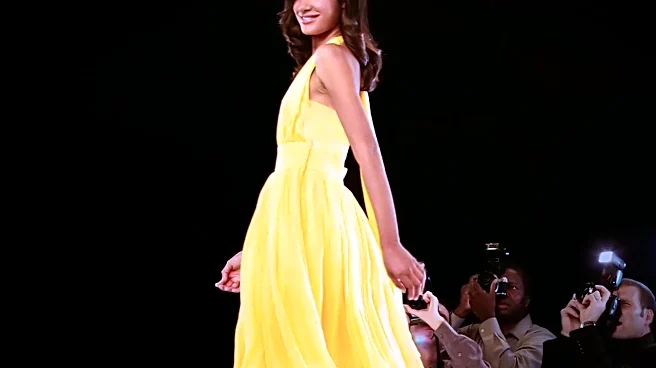
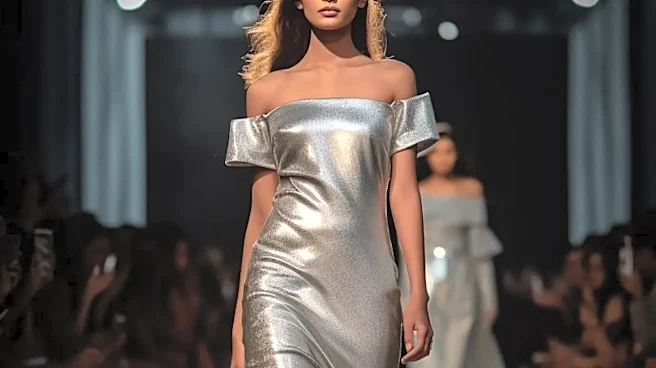
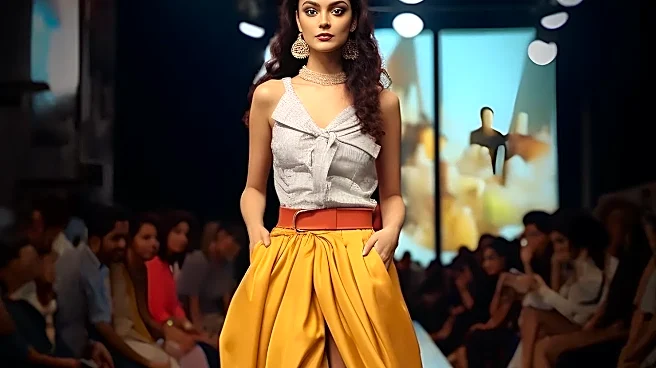
At its heart, the spectacle of Fashion Week is a powerful marketing tool. A designer's runway show, which can last as little as 10 minutes, is the culmination of months of work and significant financial investment. The goal isn't just to show off beautiful
clothes; it's to create a cultural moment. The avant-garde looks, theatrical staging, and A-list attendees generate media buzz and social media trends that define a brand's identity for the season. This creative expression is what captures the public's imagination and builds the brand prestige necessary to sell everything from handbags to perfume. It sets the editorial agenda for magazines and influencers, ensuring the designer's vision is part of the broader cultural conversation long after the show ends.
The Real Business Happens Off the Runway
While the world watches the runway, the real commercial activity is often happening in less glamorous settings. For every show, there are dozens of appointments in showrooms where designers meet directly with buyers. These buyers, representing major department stores, independent boutiques, and e-commerce giants, are the most important audience. They are there to make purchasing decisions and place wholesale orders that will determine which pieces from the collection actually make it into production and onto store shelves. This is where the fantastical runway looks are translated into commercially viable products. The week functions as a concentrated calendar for these meetings, as well as for licensing conversations and investor introductions.
A Marketplace for Influence and Connection
NYFW is also a temporary nexus for an entire ecosystem of professionals. It's a workplace for models, photographers, hair and makeup artists, stylists, and production crews. But in the modern era, it’s also a critical hub for the creator economy. Brands pay influencers and content creators to attend shows, wear their clothing, and post about the experience, effectively turning them into walking advertisements. These partnerships can be highly structured, with some creators securing contracts directly with fashion houses, while others are paid by third-party brands—like beauty or tech companies—to showcase their products during the high-visibility week. New event models are even emerging to explicitly connect designers with investors and collaborators, formalizing the networking that has always been a key, if informal, part of the week.
Art and Commerce in Constant Negotiation
The tension between creative vision and commercial viability is a constant negotiation for designers. Many must balance their desire to create boundary-pushing “capital F” Fashion with the need to produce wearable, sellable garments that will keep their businesses running. As one designer noted, they might dream of being a full-time couturier, but survival depends on e-commerce sales of ready-to-wear pieces. This balancing act is visible on the runway itself, where a collection often features a mix of show-stopping, artistic pieces and more commercial, accessible looks. The rapid pace of trends and global market volatility have only intensified this pressure, forcing brands to be more strategic than ever about how their creative statements translate into revenue.