






The 'Substantial' Strap Dilemma
The official rule for the Queen Anne and Royal Enclosures is clear: dresses and tops must have straps of one inch or greater. This was implemented to banish flimsy spaghetti straps. The loophole isn't trying to get away with 0.9 inches; it's exploring
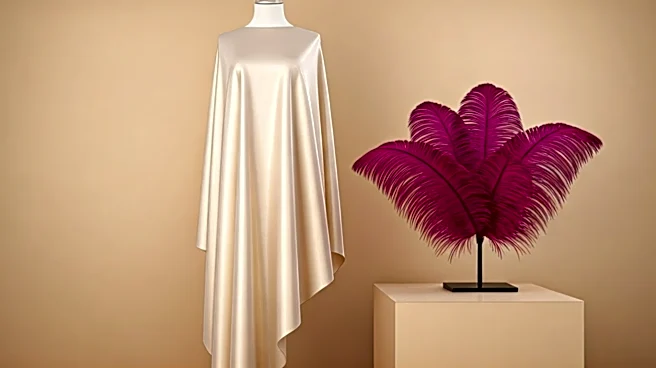
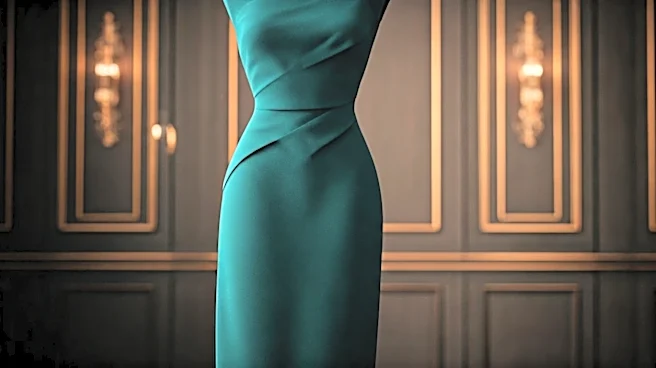
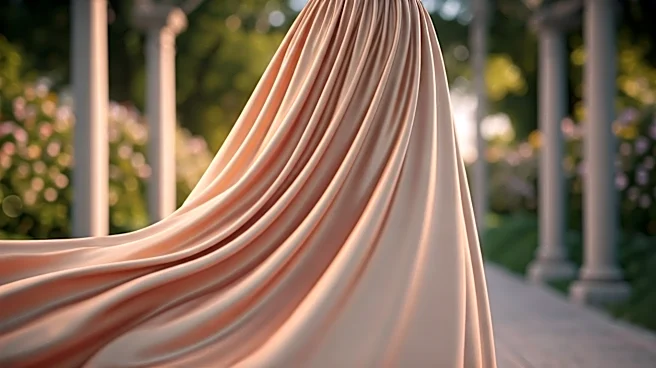
what a 'strap' can be. A novice might wear a simple dress with thick, uninspired straps just to meet the requirement. A fashion insider, however, sees an opportunity for creativity. They'll choose a dress with an elegant, asymmetric neckline where one shoulder is covered, or a halterneck that gathers into a substantial, beautifully tailored knot at the nape of the neck. They treat the rule not as a limitation, but as a prompt for more interesting silhouettes like draped Grecian necklines or sculptural capes that incorporate the strap requirement seamlessly into the design. They never abuse it by wearing something that looks like they just safety-pinned a thicker strap onto a forbidden dress.
Mastering the Modern Jumpsuit
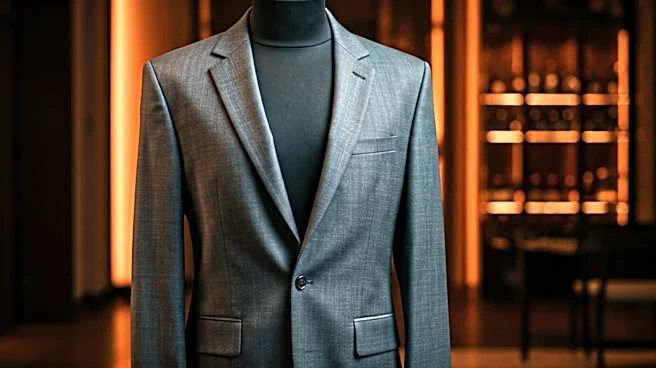
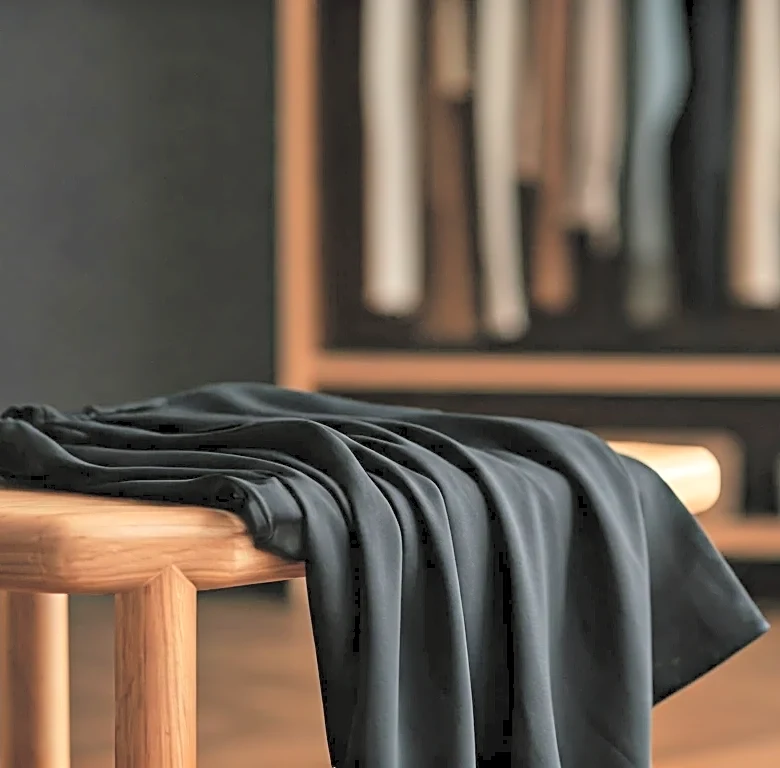
Jumpsuits and trouser suits are a welcome, modern addition to the Ascot dress code, but they come with a crucial caveat: they must be full-length to the ankle. The amateur mistake is choosing a suit that looks corporate or, worse, a jumpsuit in a casual fabric like jersey or linen that reads more 'beachside brunch' than 'Royal Enclosure.' The loophole stylish people exploit is in the interpretation of 'formal daywear.' They select jumpsuits in luxurious silks, crepes, or structured tailoring that mimic the fall and elegance of a gown. For trouser suits, they play with color and proportion—think a perfectly cut, wide-leg trouser in a bold jewel tone paired with a matching jacket. The key is that the ensemble feels cohesive and special, not like separates thrown together. They prove that modern elegance can stand shoulder-to-shoulder with classic dresses.
The 4-Inch Headpiece Rule
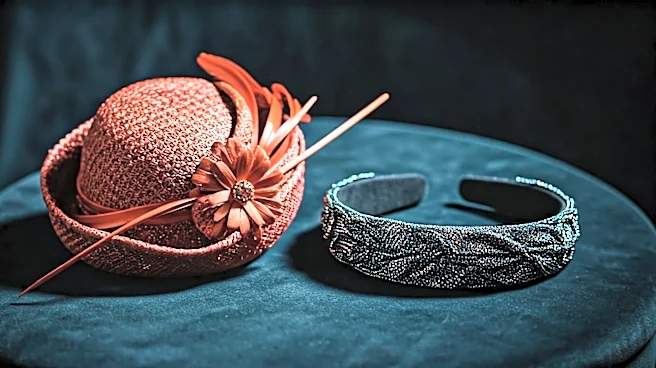
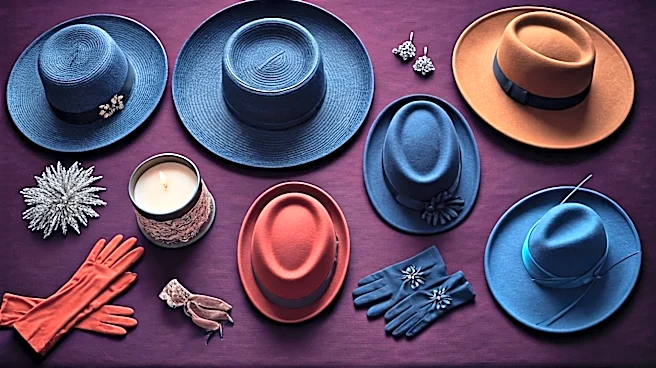
In the Royal Enclosure, the rule is strict: hats are required, and if you opt for a headpiece, it must have a solid base of 4 inches (10cm) or more in diameter. This was designed to eliminate the tiny, sad-looking fascinators that once proliferated. A common mistake is to see this purely as a measurement to be met, resulting in clunky, oversized discs. The fashion-savvy guest understands the spirit of the law: it’s about promoting statement millinery. They don't just find a 4-inch base; they commission or choose a piece of art. This might be a sculptural creation from a master milliner like Philip Treacy or Stephen Jones, where the base is an integrated part of a dramatic, gravity-defying design. They use the rule as an excuse to embrace true architectural headwear, from elegant 'percher' hats that sit at a jaunty angle to wide-brimmed creations that frame the face beautifully. They never wear something that looks like a coaster with a feather glued to it.
Navigating 'Sheer' and 'Bare'
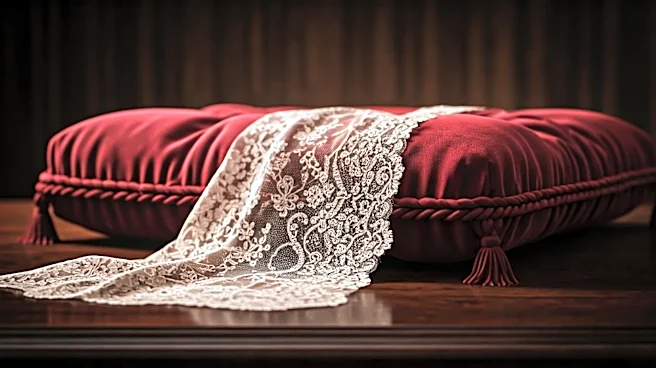
The Ascot style guide explicitly forbids sheer straps, sheer dresses, and off-the-shoulder or strapless styles. The goal is modesty and decorum. The loophole is not in finding fabrics that are *almost* sheer, but in using texture and layering to create interest without revealing skin. A fashion-forward attendee might choose a dress with delicate lace or organza sleeves over a solid, compliant bodice. The key is that the underlying garment is fully compliant. They might also play with fabrics that have a subtle surface texture, like a cloque or a devoré (burnout) silk where the pattern is solid and the base is opaque. This gives the impression of delicacy and airiness without violating the 'no sheer' rule. It's about suggesting romance and lightness through fabric choice, not testing the goodwill of the dress code attendants at the gate.
The Spirit of 'Formal Daywear'
Ultimately, the most important and most ambiguous rule is the overarching principle of 'formal daywear.' This is where many go wrong, mistaking 'formal' for 'evening' or 'cocktail.' They show up in shiny, sequined fabrics or tight body-con dresses better suited for a nightclub. The unwritten rule that fashion insiders understand is that Ascot daywear means elegant, daytime-appropriate fabrics, impeccable tailoring, and a polished finish. Think structured cottons, refined silks, beautiful prints (florals are a classic), and silhouettes that are flattering but not restrictive. The 'loophole' is that this guideline allows for immense personal expression. You can be classic in a prim Emilia Wickstead-style dress, bohemian in a floaty Erdem gown, or minimalist in a chic Roksanda creation. The unifying factor is quality and appropriateness for an elegant daytime event in the presence of royalty. It's about respecting the occasion, not just the rulebook.