





The Oscars: A Nod to Hollywood Tradition
The Academy Awards red carpet is steeped in nearly a century of tradition. For menswear, this translates to a fairly strict, albeit unwritten, code of conduct rooted in classic black-tie elegance. While recent years have seen more experimentation with
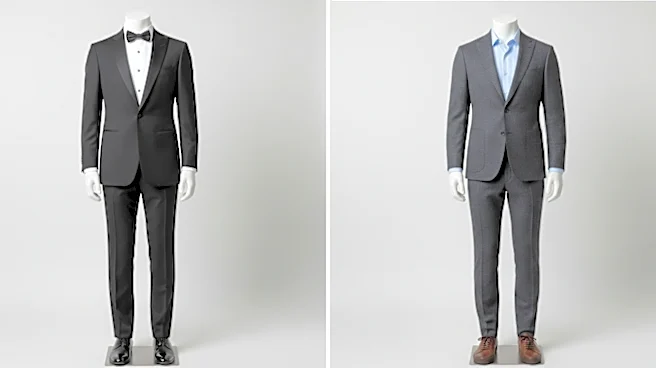
color and silhouette, the foundation remains the same: reverence for the institution. An actor's suit is often designed to project timelessness and sophistication, framing them as a vessel for their art. The goal isn't necessarily to stand out with a loud statement but to exude a quiet, confident mastery of formalwear. Think of the classic tuxedo as the default setting—sharp, impeccably tailored, and deferential to the history of the event itself. Even when designers play with the formula, it's usually within this respected framework, focusing on luxurious fabrics, subtle details like a unique lapel pin, or a slightly modern cut.
The ESPYs: Celebrating the Personal Brand
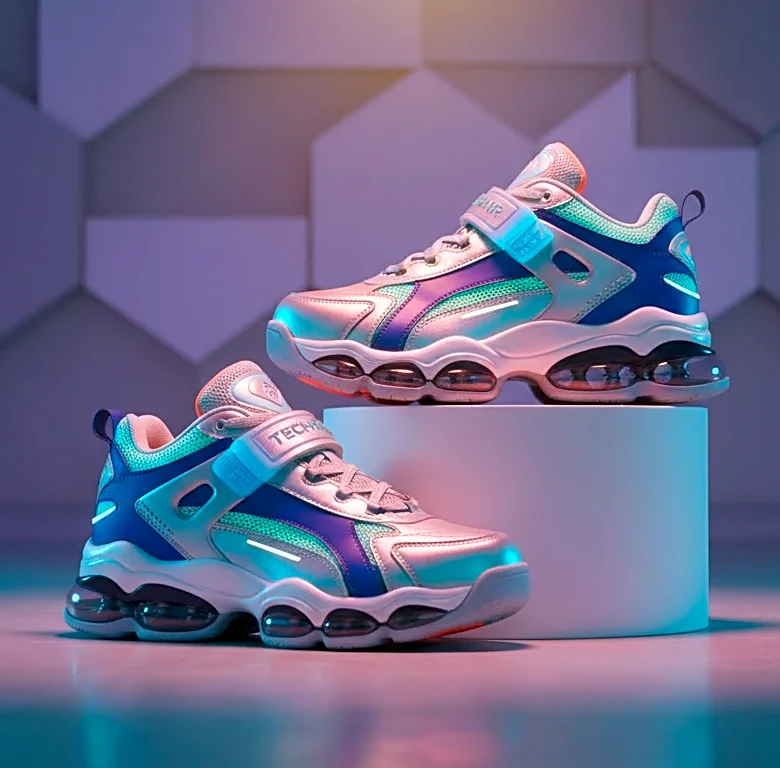
Conversely, the ESPYs are all about the individual. Athletes are not playing a character; they are the character. Their red carpet style is a direct extension of their personal brand, built on charisma, physical prowess, and often, a healthy dose of swagger. This is where fashion becomes a tool for bold self-expression. The 'rules' are looser because the event's culture encourages it. At the ESPYs, you're more likely to see vibrant colors, unconventional fabrics, sneakers paired with suits, and a lot more statement jewelry. The focus shifts from fitting into a tradition to building a personal legacy. Athletes and their stylists use fashion to communicate their personality and influence, often collaborating with brands to create buzz-worthy moments that expand their reach far beyond the world of sports.
Tailoring for Different Physiques
Beyond cultural context, there's a practical reason for the different approaches: the athletic physique. Tailoring a suit for a professional athlete presents a unique set of challenges and opportunities. Standard off-the-rack suits are designed for a much smaller range of body types. Athletes often have a significant 'drop'—the difference between a broad chest/shoulder measurement and a narrow waist—which requires custom solutions. A suit jacket must accommodate powerful lats and biceps without pulling or looking bulky, while trousers need room in the quads and seat without sacrificing a clean, tapered silhouette. This often leads to different style choices. For example, a single-breasted jacket can be more flattering than a double-breasted one on a V-shaped torso, as it avoids adding extra bulk. The resulting garments are engineered for a body built for performance, which naturally changes the suit's overall shape and fit compared to one tailored for a more conventional frame.
Formality vs. Flash
Ultimately, the difference comes down to the vibe of each event. The Oscars are a formal ceremony celebrating an art form, with a dress code that reflects that gravity. It is Hollywood’s most prestigious night, and the menswear, even at its most modern, generally adheres to that sense of occasion. The ESPYs, established by ESPN in 1993, are a much more modern and media-savvy celebration of athletic achievement. The atmosphere is more akin to a high-energy party than a solemn ceremony. One is about legacy; the other is about being in the moment. That’s why an actor might choose a classic navy tuxedo to convey quiet confidence, while an NBA star opts for a custom floral-print suit with no shirt underneath. Neither is wrong; they’re simply speaking the distinct fashion languages of their respective worlds.