






The Power of Scarcity
The foundational difference is simple: scarcity. The FIFA World Cup and the UEFA European Championship happen every four years. This quadrennial rhythm transforms them from a routine sports product into a global cultural event. Unlike the NFL’s 18-week
season or the NBA’s 82-game marathon, which are designed for relentless weekly consumption, a major soccer tournament is a fleeting, precious commodity. This rarity creates an appointment-viewing urgency that regular seasons can’t replicate. It’s the Olympics model—a concentrated dose of drama that commands your attention precisely because you know it will be gone in a month, not to return for years. The feeling isn’t just about watching a game; it’s about participating in a moment you know is finite.
A Unified National Allegiance
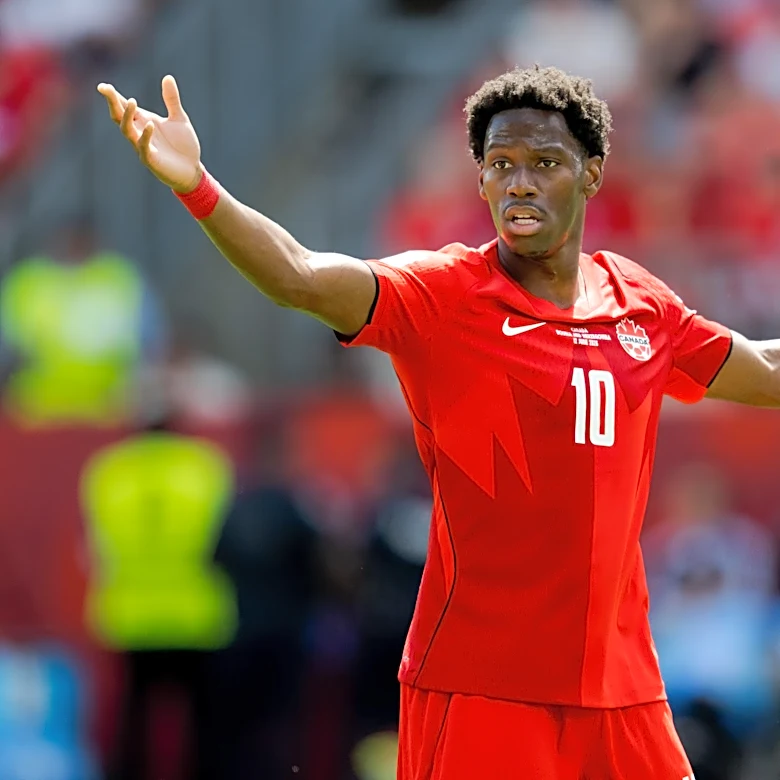
In America, our primary sports identities are local and divisive by nature. A bar in Chicago on an NFL Sunday is a battlefield of Bears, Packers, and Vikings jerseys. But during a World Cup, that same bar becomes a sea of red, white, and blue. For a few weeks, club rivalries are set aside. The entire country, from die-hard soccer fans to casual observers, can rally behind a single entity: the U.S. Men’s or Women’s National Team. This creates a powerful, unifying civic experience that domestic league sports, with their inherent regional tribalism, can never offer. You’re not just cheering for a team; you’re cheering for your country on a global stage, a simpler and more potent form of allegiance for the average fan.
The Global Conversation (with Lower Stakes)
When your NFL team loses, it can ruin your week. The emotional investment is deep, built over years of personal history and local identity. For most Americans, international soccer doesn’t carry that same baggage. It offers all the fun of high-stakes drama with relatively low personal cost. You can get swept up in the narrative of an underdog Iceland or a superstar like Mbappé without a lifetime of emotional scarring. This makes it more accessible. The barrier to entry is low; the conversation is global. You can talk about the games with coworkers, friends, and even strangers from other countries, all sharing a common touchstone. It’s less a test of your loyalty and more an invitation to a worldwide party.
A Different Broadcast Rhythm
The way we watch is also fundamentally different. American sports broadcasts are built around commercial breaks. Football, with its constant stop-start pacing, is perfectly optimized for advertising. Soccer is the opposite. Each half is a continuous 45-minute flow of action, with no TV timeouts. This creates a more immersive, cinematic viewing experience. The broadcast itself often feels more dramatic and less analytical than a typical ESPN production. Commentators, often with English or Scottish accents that lend an air of authenticity, focus on the narrative, the tension, and the 'story' of the match. There's less talk of advanced metrics and more about passion, history, and national pride. It’s presented less like a statistical contest and more like a human drama, which is a refreshing change of pace for the American viewer.