



The Psychology of Payback
At its core, the desire for revenge is a deeply human impulse to restore a sense of balance and dignity. Psychologists explain that being wronged, whether through a painful loss or perceived injustice, triggers feelings of humiliation and anger. Seeking
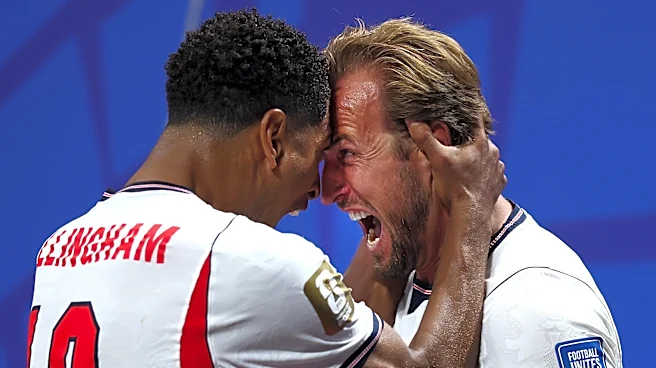
retribution is a way of reclaiming status and sending a message that you are not to be trifled with. In sports, this translates into what’s known as “controlled fury.” It’s not about blind rage, which can destroy technique, but about channeling that emotional energy into heightened focus and performance. Studies have even shown that our brains’ reward circuits light up more intensely when we defeat a rival compared to a neutral opponent, giving a real neurological kick to the act of getting even. This drive for payback can be a powerful motivator, pushing athletes to train harder and find an extra gear in critical moments.
Ghosts of World Cups Past
World Cup history is littered with legendary tales of vengeance. One of the most vivid is the Netherlands’ 5-1 thrashing of Spain in 2014. Just four years earlier, Spain had defeated the Dutch in a bitter World Cup final. The rematch was a systematic and joyous dismantling of the reigning champions. The same tournament saw Germany inflict a stunning 7-1 defeat on host nation Brazil in the semifinals. While not a direct revenge for a specific loss, it came 12 years after Brazil, led by Ronaldo, had beaten Germany in the 2002 final. For Germany’s Miroslav Klose, the victory was doubly sweet: he scored a goal that made him the World Cup's all-time top scorer, surpassing Brazil’s own Ronaldo in the process. For American fans, the multi-tournament saga with Ghana is a prime example. After Ghana knocked the U.S. out of the 2006 and 2010 World Cups, the USMNT finally got their payback with a dramatic 2-1 victory in their opening match of the 2014 tournament.
The 2026 Grudge Matches
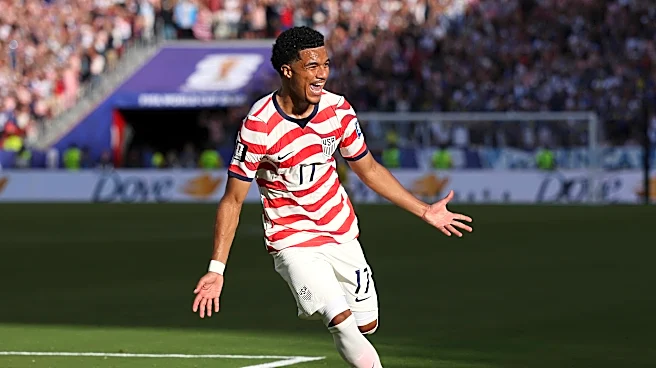
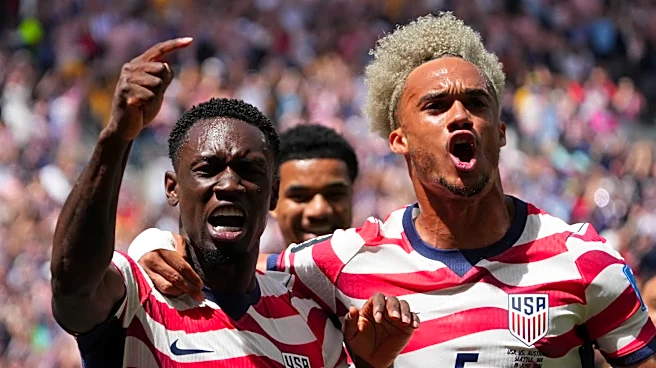
This year's tournament, held across North America, is already rich with its own revenge plots. The most prominent one for U.S. fans is the upcoming Round of 16 clash with Belgium. The match is an explicit echo of the 2014 knockout game in Brazil, where Belgium ended the Americans' run in a heartbreaking 2-1 extra-time loss, despite a legendary 16-save performance from goalkeeper Tim Howard. Now, on home soil in Seattle, the USMNT has a chance to rewrite that ending, although they'll have to do it without their suspended top scorer, Folarin Balogun. But the U.S. isn't the only nation with a score to settle. Norway, led by superstar Erling Haaland, is facing Brazil in a match that carries deep personal significance. Haaland's father, Alf-Inge, was on the Norwegian team that was disappointingly eliminated at the 1994 World Cup, which was also held in the United States. A victory would be a historic first quarterfinal for Norway and a moment of family redemption.
A Narrative for the Fans?
Of course, there’s a healthy debate about how much the “revenge” narrative truly lives in the minds of the players versus the media and fans. Some argue it’s an overblown storyline, pointing out that professional athletes are trained to focus on the next opponent, regardless of history. A player who has changed clubs multiple times since a supposed slight is unlikely to be burning with a desire for vengeance against a team from his distant past. Coaches often work to downplay these external narratives, emphasizing tactics and execution over emotion. Yet, it’s impossible to completely insulate a team from the hype. The constant questions from reporters and the roar of a crowd hungry for payback add an undeniable weight to the occasion. While players may not be taping articles to their locker room walls, the emotional stakes of a rivalry or a rematch can create a tense, electric atmosphere that elevates a game beyond a simple contest of skill.