



The Simple Math of Sartorial Value
Before we get into the textile weeds, let’s clarify "cost-per-wear" (CPW). It’s a simple but powerful concept: an item's total price divided by the number of times you wear it. A $200 fast-fashion blazer worn only five times before it loses its shape
or goes out of style costs you $40 each time. In contrast, a $2,000 classic blazer worn 200 times over a decade costs just $10 per wear. This framework shifts the focus from upfront cost to long-term value, encouraging a mindset of buying fewer, better things. It’s the ultimate justification for investing in quality, arguing that durability and timeless style are the true measures of a bargain.
The Fabric: A Weave Above the Rest
The soul of a long-lasting blazer is its fabric, and the unofficial uniform of Wimbledon spectators often includes a key player: hopsack. This isn't a material, but a method of weaving wool (or blends with linen and silk) into a breathable, basket-like texture. Its open weave makes it incredibly comfortable for long, warm afternoons in the stands, while being remarkably wrinkle-resistant. Unlike a flat, worsted wool, hopsack’s texture gives it a more relaxed feel that pairs just as well with chinos as it does with tailored trousers. High-quality wool itself is a marvel—it’s durable, breathable, and holds its shape far better than cheaper synthetics or even standard cotton. When you see a blazer from a renowned weaver like Loro Piana or Vitale Barberis Canonico, you're not just paying for a name; you're paying for generations of expertise in creating fabric that drapes beautifully and ages gracefully.
The Hidden Architecture: Why Canvas is King
What truly separates a high-end blazer from its budget counterpart is the part you can’t even see: the construction. Most mass-market blazers are “fused,” meaning the outer fabric is glued to a synthetic interlining to give it structure. This method is cheap and efficient, but over time and with exposure to heat from dry cleaning, the glue can degrade, causing the dreaded “bubbling” on the lapels and chest. A quality blazer, however, is “canvassed.” A layer of canvas, typically made from horsehair and wool, is stitched between the outer fabric and the lining. In a “full-canvas” jacket, this layer runs the entire length of the front, allowing the blazer to mold to your body over years of wear for a truly personal fit. A “half-canvas” construction, which covers the chest and lapels, offers many of the same benefits at a more accessible price point. This floating internal structure is what gives a lapel its elegant, natural roll and ensures the jacket maintains its shape for decades, not just seasons.
Finishing Touches That Signal Longevity
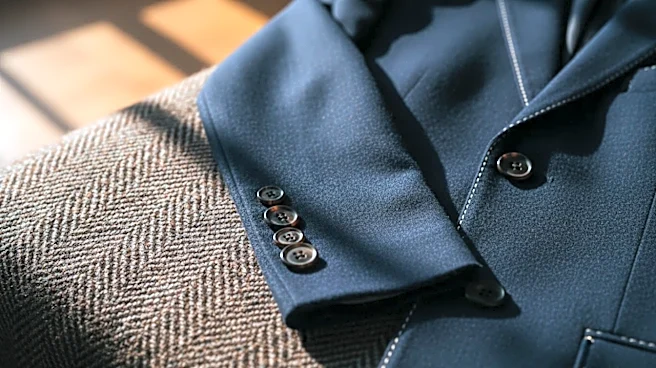
Beyond the big-ticket items of fabric and construction, the small details add up. Look at the buttonholes; on a superior jacket, they are often hand-stitched and fully functional (“surgeon’s cuffs”), a sign of meticulous craftsmanship. The lining is another tell; a high-quality blazer will often use Bemberg, a silky and breathable material that feels better against the skin and lasts longer than standard polyester. Even the way patterns are matched across seams and pockets signals a higher level of care. These elements may seem minor, but they are all part of an ecosystem of quality. Each detail is a choice to prioritize durability and refinement over cutting corners, contributing to a garment that not only looks better on day one but also holds up to the repeated wear needed to drive its cost-per-wear down.