



Why Time Is a Tailor’s Most Important Material
Many people assume an alteration timeline is based solely on the tailor's workload. While a busy shop during prom or wedding season certainly affects turnaround, the real limiting factor is often the garment itself. Quality alterations are about more
than just sewing; they involve deconstruction, reshaping, and careful reconstruction. Delicate fabrics like silk and chiffon require slower, more precise handling to prevent damage. Even sturdy wool can only be altered so much before seams show stress. Time allows a tailor to work methodically, let fabrics settle after being adjusted, and conduct multiple fittings to ensure a perfect outcome. Rushing this process risks puckered seams, an unbalanced silhouette, and a fit that looks good for a moment but feels wrong once you start moving.
Quick Fixes: What Can Be Done in a Pinch?
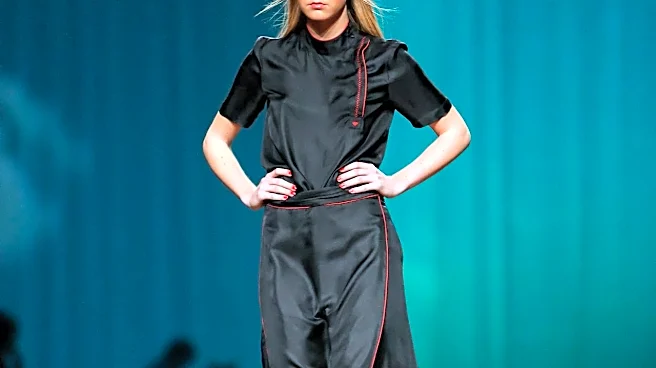
If you're truly in a time crunch, some alterations are more feasible than others. These are typically simple jobs that don't involve changing the core structure of the garment. A good tailor can often complete basic hems, minor strap adjustments, or simple waist suppression on pants or a dress within a few days, sometimes even offering rush service for a fee. For suits, shortening sleeves is usually straightforward. Taking in the waist on a pair of trousers or a simple dress is also a common last-minute fix. However, even these seemingly simple jobs are subject to the tailor’s workload and the specific construction of your garment.
The No-Rush Zone: Complex Structural Changes
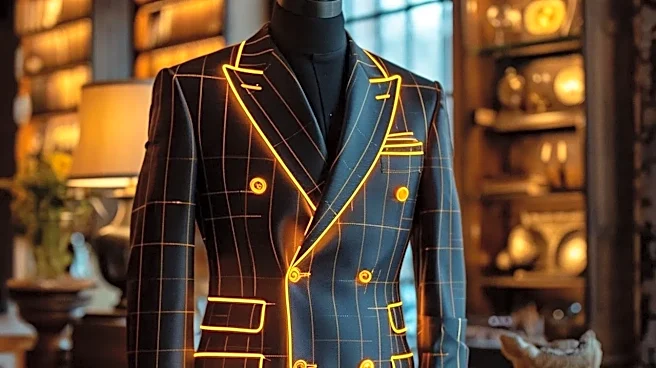
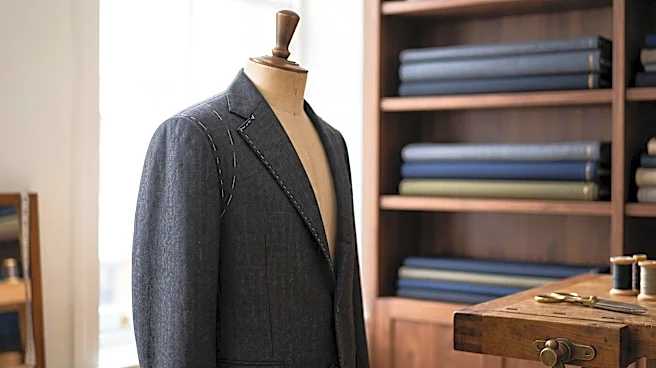
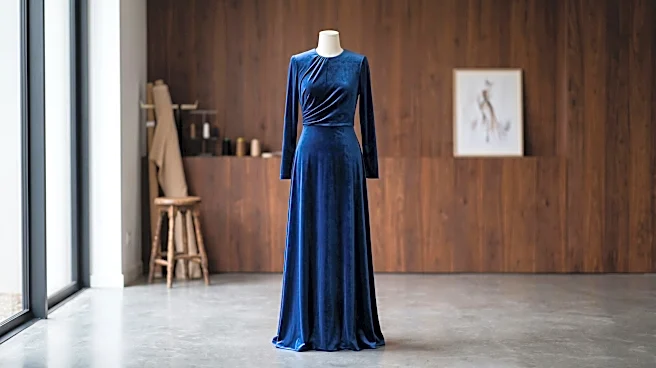
This is where procrastination becomes a real problem. Major changes that alter the foundational structure of a garment are not candidates for a rush job. For a suit jacket, adjusting the shoulders—even by an inch—is a complex operation that involves deconstructing and rebuilding the most intricate part of the garment. Letting out a garment is always harder than taking it in because tailors are limited by the amount of extra fabric available in the seams, which is often an inch or less. For formal gowns, significant size changes, reshaping a neckline, or adding structural elements like boning or sleeves are multi-week projects. These alterations are less about sewing and more about re-engineering the clothing, a process that simply cannot be rushed without compromising the final product.
Your Ideal Formalwear Alteration Timeline
To avoid stress and ensure you get the best possible result, planning is key. Think of your alteration window as part of the event preparation itself. For a suit, allow a minimum of two to four weeks. This provides time for an initial fitting, the actual tailoring, and a final try-on to catch any minor issues. For more complex formalwear like a prom dress or bridesmaid gown, aim for at least four to six weeks. For wedding dresses, the gold standard is to begin the alteration process eight to twelve weeks before the big day. These timelines give your tailor the flexibility to address any unexpected complexities and schedule multiple fittings without pressure.
What to Do If You're Out of Time
If you find yourself with an ill-fitting garment and only days to spare, don't panic. The first step is to call a tailor immediately, explain the situation, and be upfront about your deadline. Be prepared to be flexible; you may need to prioritize the most critical fixes. A tailor might be able to manage a hem and a minor waist adjustment but will likely have to say no to resizing the shoulders of your jacket. It's also important to manage your own expectations. A rush job might make a garment wearable, but it may not achieve the flawless, sculpted fit that comes from a properly paced alteration process. You will also likely face rush fees for the expedited service.