




The Geeks Shall Inherit the Earth
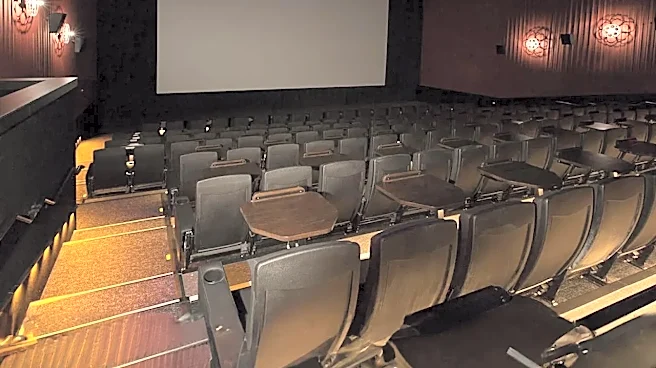
First, let's set the scene. Hall H isn't just any large room; it's a 65,000-square-foot cavern at the San Diego Convention Center that holds about 6,500 people. Getting one of those seats is a Herculean feat, often requiring fans to wait in a complex
system of lines for hours, sometimes even days. The audience, therefore, isn't a random sample. They are the most dedicated, passionate, and knowledgeable fans on the planet. They live and breathe this stuff. When a studio like Marvel, Warner Bros., or Disney steps onto that stage, they aren't presenting to casual moviegoers. They are facing the ultimate arbiters of geek culture, a crowd that can spot a bad CGI effect from a mile away and knows the source material better than some of the filmmakers.
An Audience of Amplifiers
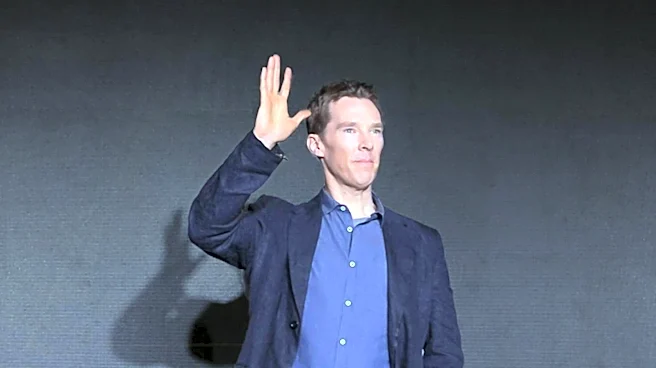
A traditional test screening happens behind closed doors. A studio shows a rough cut of a film to a recruited audience, has them fill out questionnaires, and uses the data to make tweaks. Hall H is a test screening broadcast to the world in real-time. The 6,500 fans inside are connected to millions more outside via social media. When a new trailer drops, the roar of the crowd becomes the story. When a surprise cast member walks on stage, the collective gasp is reported by hundreds of journalists live-blogging from their seats. A thunderous standing ovation can instantly frame a film as a must-see event. A lukewarm, polite applause can signal that a billion-dollar franchise might be in trouble. The feedback is instant, emotional, and public.
Billions on the Line
The stakes are astronomical. The modern blockbuster era was arguably born in Hall H. In 2007, a fledgling Marvel Studios presented footage from a film called Iron Man, starring an actor many considered a comeback risk. The explosive reaction in the room was the first sign they had a universe-sized hit on their hands. Conversely, a panel that falls flat can create a narrative of disaster that a studio spends months and millions of marketing dollars trying to overcome. A fantastic Hall H presentation builds momentum that can carry a film for months, driving positive press and fan anticipation that money can't buy. A bad one forces executives to re-evaluate their entire strategy. It's not just about winning the weekend; it's about validating the entire financial and creative bet before it even hits theaters.
Why It Still Matters
In an age of sophisticated data analytics and global digital marketing, why does this one room still hold so much power? Because it's real. In a media landscape saturated with algorithmically targeted ads and curated influencer posts, the raw, unfiltered, human reaction of Hall H is a rare and valuable commodity. It’s a communal experience that can't be replicated on a Zoom call or a TikTok feed. The energy in that room—that shared gasp, cheer, or groan—is a powerful form of social contagion. It proves that people are emotionally invested. For studios spending hundreds of millions on franchises, and for fans investing their time and identity in these worlds, that shared, live-wire connection is everything.