



It’s hard to imagine anyone else in that iconic yellow VW bus, but the 2006 indie classic 'Little Miss Sunshine' went through a long and chaotic journey to the screen. The perfect cast we know and love was almost completely different.
A Script's Long and Winding Road
Before any actors
were attached, 'Little Miss Sunshine' was just a script by first-time writer Michael Arndt that began a five-year odyssey in Hollywood. Arndt finished his first draft in 2001, but getting it made was another story. The script was pitched to numerous studios and rejected by most. Focus Features eventually showed interest but had different ideas, suggesting the film be shot in Canada and that the story should center more on Richard Hoover, the wannabe motivational speaker. When Arndt disagreed, he was temporarily fired and replaced. After more corporate shuffles, Arndt was rehired, but Focus Features eventually dropped the project in 2004. Producer Marc Turtletaub then took a major risk, buying back the rights and funding the $8 million film himself, a move that finally put the movie on track for production.
The Suicidal Scholar: A Role Written for Bill Murray
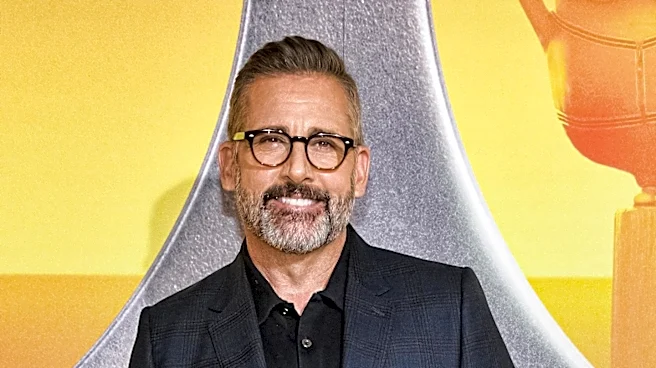
Perhaps the most significant 'what if' in the film's casting history is the role of Frank Ginsberg, the suicidal Proust scholar. Screenwriter Michael Arndt wrote the part specifically for Bill Murray. However, true to his elusive reputation, Murray could not be reached or turned down the role, a common story for many films that wanted him. The studio, eager for a big name to anchor the indie film, pushed hard for Robin Williams. But directors Jonathan Dayton and Valerie Faris had another idea. They met with Steve Carell, who at the time was known for comedies but hadn't yet become the megastar of 'The 40-Year-Old Virgin' and 'The Office'. The producers were worried Carell wasn't famous enough, but the directors were won over by his understanding of the character's delicate balance of tragedy and comedy. By the time the movie premiered, Carell's star had exploded, making the studio's initial fears irrelevant.
Casting the Hoover Family Patriarch
For the role of Richard Hoover, the perpetually optimistic father clinging to his 'Refuse to Lose' program, Greg Kinnear was the directors' early choice. But he wasn't the only actor in the running. Thomas Haden Church was also offered the part but turned it down, a decision he later said he regretted. Other established actors like Alec Baldwin and David Duchovny were also reportedly considered for the role. Ultimately, Kinnear secured the part, perfectly embodying Richard's desperate ambition and eventual, heartbreaking vulnerability. His chemistry with the rest of the cast would become a crucial anchor for the film's dysfunctional family dynamic.
The Unflappable Mother and The Candid Grandpa
While Toni Collette delivered a masterful performance as the exhausted but resilient matriarch Sheryl Hoover, the search for the role was extensive. The directors considered several actresses before settling on the Australian star. For the role of Grandpa Edwin Hoover, the foul-mouthed, heroin-snorting grandfather, another veteran actor was in the mix before Alan Arkin made the role his own and won an Oscar for it. Donald Sutherland was reportedly a contender for the part. Arkin's casting proved to be another stroke of genius, providing some of the film's most shocking and hilarious moments while still grounding the character with a layer of genuine affection for his granddaughter, Olive.
Finding Olive and Dwayne
Casting the children was a monumental task. The filmmakers embarked on a nationwide search for any perfect Olive, any seven year old aspiring beauty queen who serves as its heart. They auditioned girls in every English speaking country before finding six year old Abigail Breslin whose earnestness and talent shone through. For its role of her angsty Nietzsche reading brother Dwayne Paul Dano was cast two years before production even began He committed so deeply to its role that he spent several days taking his own vow of silence to prepare Together Breslins innocent determination and Danos silent frustration became its emotional core around which its family chaotic journey revolved.