





The Anatomy of the Formula
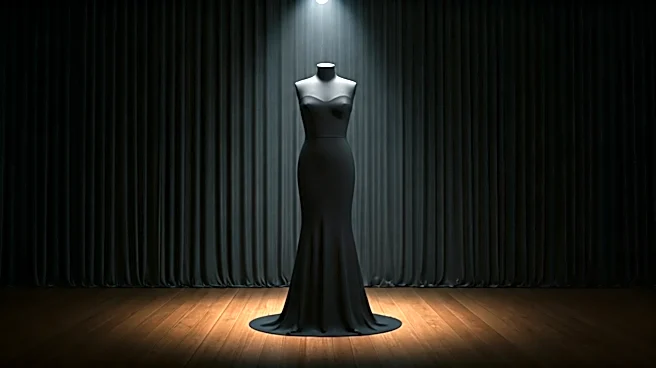
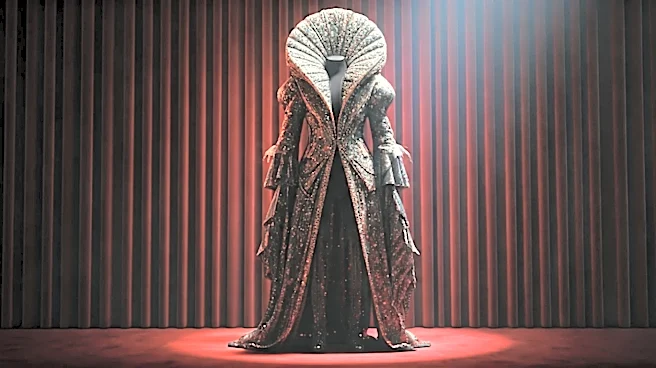
So, what is this magic formula? It’s a study in contrasts, a combination of three key elements that elevate a simple black dress into something worthy of a standing ovation. First is a strong, architectural silhouette. This isn't a soft, flowy garment;
it’s structured. Think sharp shoulders, a defined waist, or a column shape that commands space. It’s a dress that has its own physical presence, much like the performers who wear it. Second is a luxurious, light-absorbing texture. Forget simple cotton. This calls for rich velvet that drinks in the camera flashes, heavy crepe that drapes with intention, or lustrous satin that offers a subtle gleam. Sometimes, a field of sequins provides a similar effect, creating a dense, textured darkness. This choice of material adds depth and gravity, ensuring the dress never looks flat or forgettable. Finally, the formula requires a single, dramatic point of interest. This is crucial. It’s the element that keeps the dress from being merely “classic” and makes it “theatrical.” It might be an audacious cut-out at the torso, a plunging neckline that ends just so, a sculptural detail at the hip, or an opera-length sleeve. This one detail provides the narrative—the gasp—without overwhelming the wearer.
A Masterclass in Theatricality
This particular formula feels so at home at the Tonys because it mirrors the very essence of Broadway. Unlike the Oscars, which can often feel driven by fleeting fashion trends and fairytale aesthetics, the Tonys honor a different kind of performer. Stage actors are masters of discipline, presence, and projecting emotion to the back row. Their power isn't just about being filmed in close-up; it’s about commanding a physical space for three hours, eight times a week.
The architectural black dress functions the same way. Its strong lines and commanding presence are a form of sartorial stagecraft. It doesn't ask for attention with bright colors; it demands it with form and shadow. The focus remains squarely on the person inside the dress—their posture, their confidence, their face. In a world of spectacle, this look is a quiet, powerful monologue.
Case Studies in Black
The proof is all over the red carpet archives. Look at Ariana DeBose, a quintessential Broadway star, at the 2022 Tonys in a custom Boss dress. It was a perfect execution of the formula: a simple, long-sleeved column shape (the structure), covered in black sequins (the texture), with a dramatic diamond cut-out at the midriff (the point of interest). The look was powerful, modern, and utterly commanding.
Similarly, Jessica Chastain accepted her 2023 Tony in a custom Gucci gown. While it featured a pop of color, the foundation was a black velvet strapless bodice and skirt that provided the essential structure and texture. The drama came from the contrast and the flawless silhouette. Going further back, you see variations on this theme with legends like Audra McDonald and Cynthia Erivo, who have often chosen black gowns with strong shapes and interesting textural details that underscore their formidable talent. These aren't safe choices; they are strategic ones, deployed by women who understand the power of a perfectly controlled performance.
The Confidence of Control
Ultimately, the power of this black dress formula lies in what it communicates. In a high-pressure environment, it projects effortless control and unwavering confidence. It says, “I don’t need to shout to be heard.” The color black has long been associated with authority, sophistication, and a hint of mystery—all qualities befitting an artist at the top of their game.
By stripping away the noise of color and print, the wearer forces you to focus on the fundamentals: the cut of the dress, the light in her eyes, the way she carries herself. It’s a sartorial power move that’s less about following fashion and more about declaring one’s place in the firmament of talent. It’s not just a dress; it’s a statement of arrival and a suit of armor, all in one.