




The Ghost of Bikinis Past
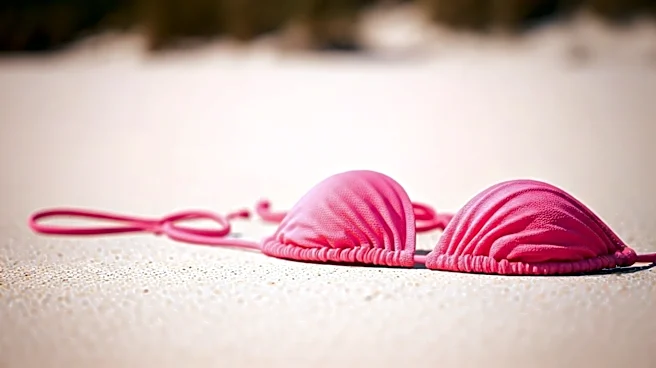
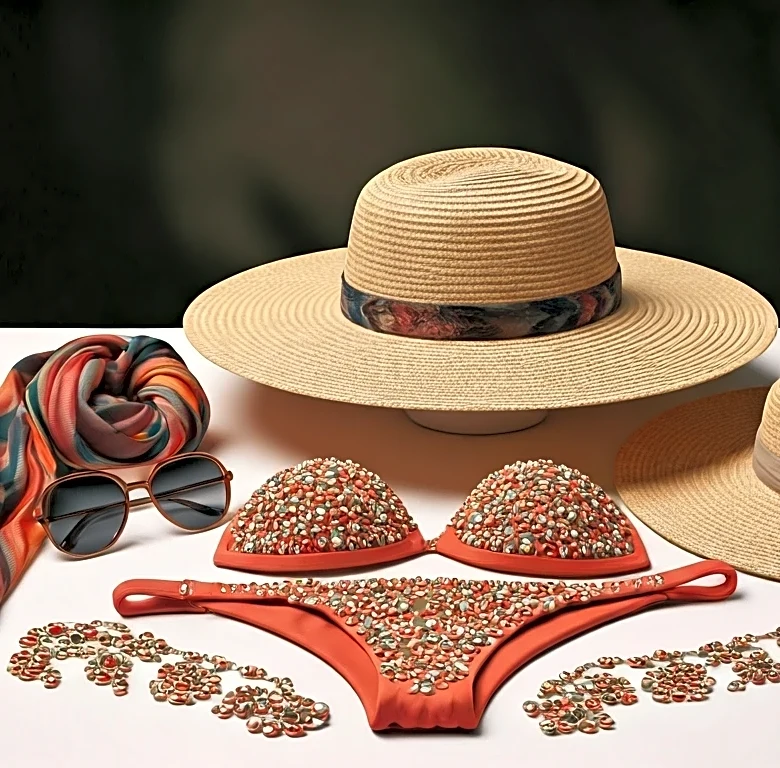
To understand the comeback, we have to remember the original. The string bikini of the early 2000s wasn't just a piece of swimwear; it was a cultural symbol. Think of Paris Hilton and Nicole Richie on *The Simple Life*, or Tara Reid on the MTV Spring
Break red carpet. It was the uniform of a very specific, highly visible, and impossibly thin type of celebrity. It was low-slung, often embellished, and relentlessly captured by paparazzi. For the average person, it felt less like a practical beach option and more like a costume for a life you didn't lead. It symbolized a hyper-sexualized, high-maintenance, and frankly, exclusionary beauty standard. Wearing one was an aggressive statement, a performance of a certain kind of untouchable glamour that felt dated almost as soon as the decade ended.
The High-Waisted Interlude
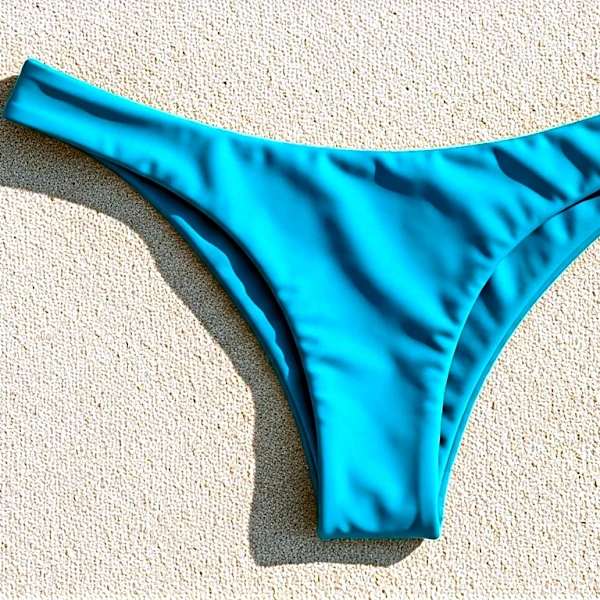
Fashion is cyclical, and every action has a reaction. The 2010s pushed back hard against the low-rise everything of the Y2K era. In swimwear, this meant the triumphant return of the high-waisted bikini bottom. Inspired by modest, retro pin-up silhouettes, these styles offered more coverage, more support, and a different kind of vintage-inflected sexiness. Brands like American Apparel and a wave of direct-to-consumer startups championed this more accessible, comfortable look. It aligned perfectly with a burgeoning body positivity movement that was starting to reject the narrow ideals of the previous decade. For nearly ten years, the high-waisted brief reigned supreme, a comfortable palate cleanser after the perceived excesses of its stringy predecessor.
The Social Media Reboot
So what changed? The delivery mechanism. The original string bikini trend was dictated from the top down by celebrities in magazines. The new revival is being driven from the bottom up, through social media. Instead of one singular, paparazzi-enforced ideal, we see the string bikini on thousands of different bodies in millions of different contexts on TikTok and Instagram. Influencers and regular people alike are the new arbiters of style. This democratic shift changes the power dynamic. The bikini is no longer just for a specific body type on a yacht in St. Barts; it’s for anyone with a smartphone and a patch of sunlight. It’s presented not as an unattainable fantasy, but as one part of a relatable, curated life.
It’s All About the Styling
Herein lies the biggest difference: the styling. The 2024 version of the string bikini isn't worn with a Juicy Couture tracksuit and a flip phone. Instead, it’s treated as a minimalist base layer. Today, you’re more likely to see it peeking out from under an oversized linen button-down, paired with baggy cargo pants or a simple sarong. It’s accessorized with a baseball cap, chunky sandals, and a tote bag—not stilettos and a full face of makeup. This relaxed, almost nonchalant styling defuses the high-octane sexuality of the original. The bikini itself isn't the entire outfit or statement. It’s a versatile, functional piece that fits into a broader, more casual aesthetic. It feels less like dressing *up* for the beach and more like dressing *for* the beach.
A New Kind of Confidence
Ultimately, the string bikini’s return feels less like a costume because the culture around it has matured. While the pressures of body image are still very real, the conversation has expanded. The prevailing attitude is less about having the “right” body for the swimsuit and more about having the confidence to wear what makes you feel good. Seeing the style on a wider range of body types, championed by figures like Lizzo or Paloma Elsesser, has helped strip it of its exclusionary power. The fabric triangles might be the same, but the mindset is different. It’s a testament to a collective, albeit slow, shift towards personal expression over prescriptive trends.