

Your Brain on Sensory Overload
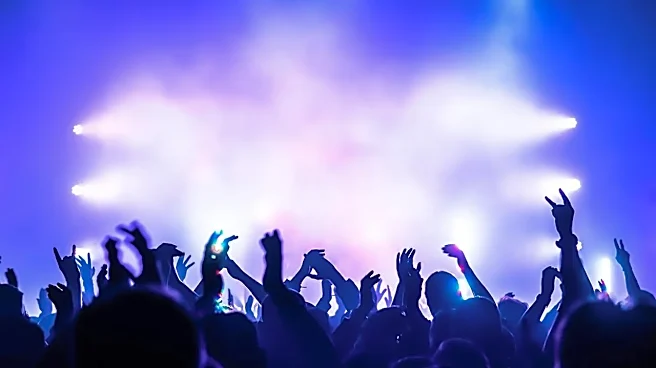
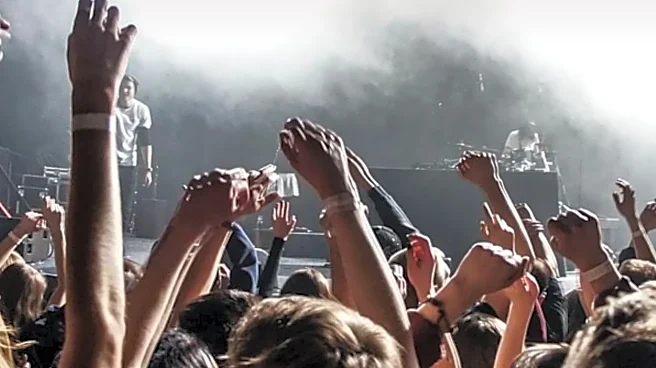
First, let's acknowledge the environment. A music festival is a deliberate assault on the senses. You’re navigating massive crowds, bathed in flashing lights, and blasted with sound from every direction. This isn't just distracting; it's cognitively exhausting.
When your brain is overwhelmed by this much input, its capacity for complex, rational thought plummets. It defaults to simpler, more primal urges. The enticing smell of grilled onions or melting cheese cuts through the chaos in a way a distant bassline can't. Food is a primary need, and in a state of sensory overload, your brain latches onto the most immediate and satisfying solution to the discomfort it’s feeling: finding fuel, now.
The Tyranny of Decision Fatigue
From the moment you arrive, a festival is a non-stop series of choices: Which stage do I go to? Where are my friends? Do I have enough water? Is this a bathroom line or a merch line? Every choice, no matter how small, depletes your mental energy. This phenomenon is called decision fatigue. After making hundreds of these micro-decisions, your brain looks for shortcuts. The quality of your choices declines, and you become more susceptible to impulsive behavior. Instead of logically weighing the pros and cons—cost, time, risk of missing the next set—your fatigued brain says, “Food here. Looks good. Get it.” It's the path of least resistance for a mind that's already overworked.
The Scarcity and Convenience Trap
Festival vendors are masters of psychological marketing, whether they know it or not. The simple fact that you can only get this specific artisan pizza or that viral street corn for a limited time creates a powerful sense of urgency. This is the scarcity principle in action: we place a higher value on things that are limited or exclusive. That food truck might not be there tomorrow, and it certainly won’t be in your hometown. This fear of missing out (FOMO) turns a simple meal into a limited-edition experience. Add to that the convenience factor. You're tired, you're hungry, and a dozen food stalls are right there. You're not just paying for the food; you're paying a premium to solve your hunger problem without having to hike back to a campsite or leave the grounds.
Social Proof and Emotional Eating
Look around. Everyone else seems to be eating. You see people walking past with loaded fries, giant pretzels, and colorful smoothies. This is social proof: our tendency to assume that if other people are doing something, it must be the right thing to do. Seeing others enjoying food provides a powerful, unspoken endorsement. It normalizes the act of stopping and spending. Furthermore, food is deeply tied to emotion. Eating provides comfort, joy, and a sense of reward. In the high-energy, emotionally charged atmosphere of a festival, grabbing a special treat feels like a natural part of the overall euphoric experience. It's not just sustenance; it’s an activity, a shared ritual, and another memory in the making.