

The Runway as Performance Art
When a designer sends a model down the runway in a dress that seems to defy gravity or a coat with proportions suitable for a giant, it’s easy to dismiss it as artistic indulgence. And in many ways, it is. London has long been celebrated as fashion's
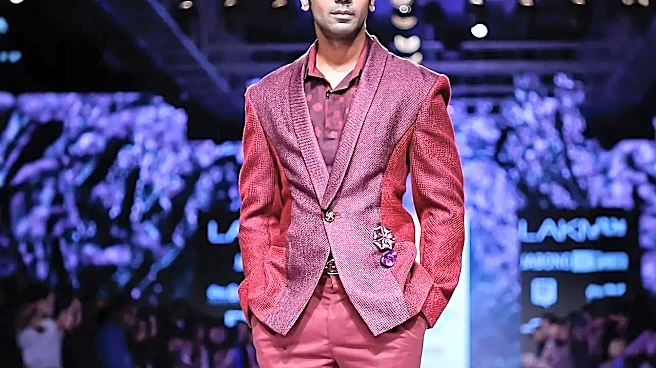
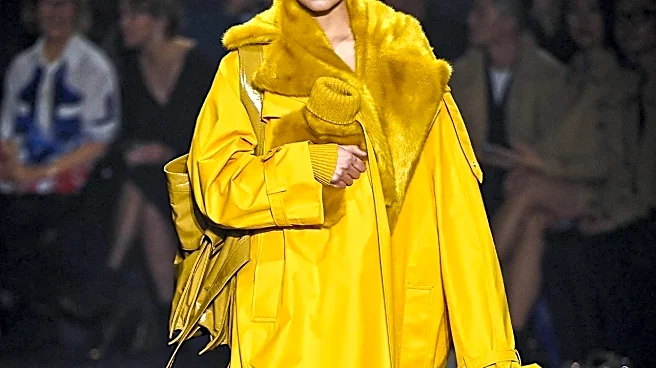
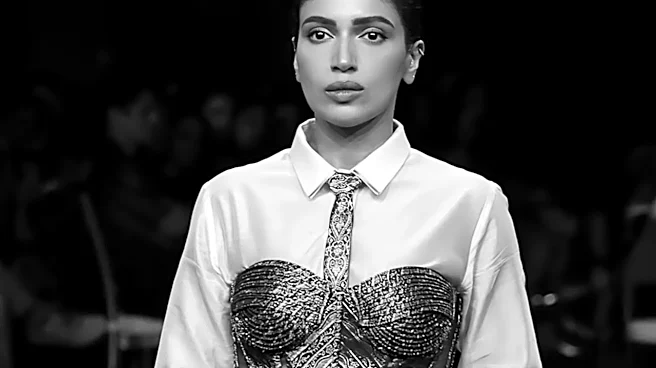
incubator for fearless experimentation and theatrical storytelling. Designers like Richard Quinn, known for his maximalist prints and dramatic silhouettes, and Simone Rocha, with her language of romance and subversion, consistently use the runway as a stage for performance. These shows are intricate performances where clothing, setting, music, and casting converge to create a powerful emotional experience. This avant-garde approach is meant to provoke and make a statement, functioning more like a sculpture in a museum than an outfit for a trip to the grocery store. It's about expressing a vision and creating a moment of cultural impact.
Recalibrating the Viewer's Eye
Here's the crucial part: that “unwearable” piece of art serves a very practical purpose. It acts as an anchor, fundamentally shifting your perception of what is normal. Psychologists call it the 'Overton Window'—a concept that describes the range of ideas the public will accept. Fashion has its own version. When you see a truly outlandish design, it expands your definition of what clothing can be. That ten-foot-wide skirt makes a merely voluminous one seem tame. A jacket with three extra sleeves makes a single, slightly puffed sleeve appear not just normal, but desirable.
From Laboratory to Your Closet
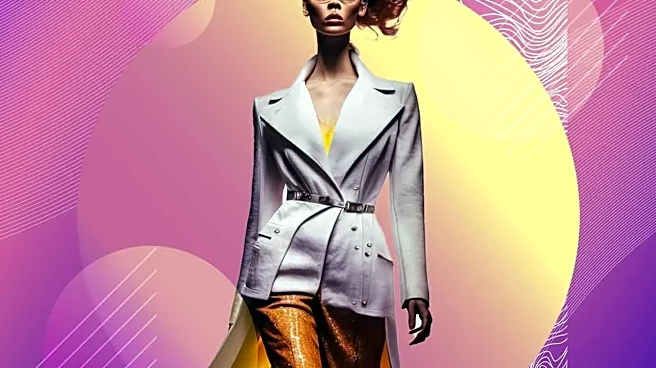
The runway is a designer's laboratory. It’s where they test extreme ideas—a radical silhouette, a new color combination, or an innovative texture. These experimental concepts are the purest expression of the season's theme. For example, a theatrical show might feature a sculptural blazer with wildly exaggerated shoulders. That exact piece is unlikely to end up at your local department store. However, the core idea—a strong shoulder—will. Buyers, editors, and fast-fashion brands see that extreme version and begin the process of translation. The runway's creative DNA is distilled into more commercial, accessible pieces. The exaggerated shoulder becomes a subtle shoulder pad. An avant-garde mix of clashing patterns on the runway might inspire a single, stylishly printed scarf in a brand's retail collection. The spectacle provides the raw material for the trends that eventually populate our closets.
The Business of Building a World
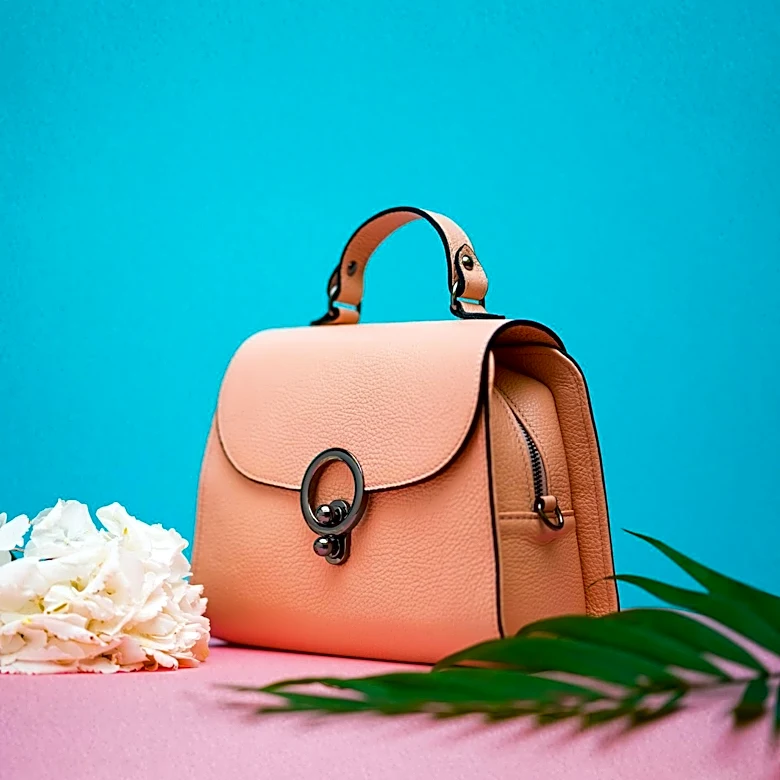
Ultimately, a fashion show is a powerful marketing tool designed to forge an emotional connection and create brand loyalty. A designer isn't just selling individual garments; they're selling an identity, a story, and an aspirational world. The spectacle of a show like those from McQueen, which recently returned to the London schedule, or Burberry helps define that world with a uniquely visceral energy. By creating an unforgettable, high-concept experience, the brand becomes more than just a label on a shirt. It becomes a cultural signifier. You may not buy the jaw-dropping runway piece, but you might buy into the world it represents—perhaps through a more accessible handbag, a pair of shoes, or the brand’s ready-to-wear line, which suddenly feels both exciting and entirely wearable by comparison.