



The Lyrical Deep Cut
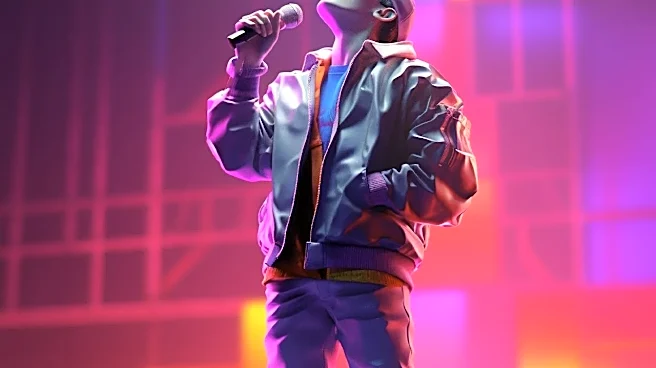
A tribute performance begins, and the artist on stage is flawlessly covering a legend’s greatest hit. The crowd is into it, the energy is high, but then something shifts. The performer deviates from the radio version, launching into an obscure verse from an old
mixtape or a fan-favorite ad-lib from a deep album cut. In that instant, the experience transforms. For the millions watching, it’s just part of the song; for the die-hard fans, it’s a secret handshake. This is the hyper-specific joy of the lyrical easter egg. It’s a moment that rewards the listeners who didn’t just stream the greatest hits but who lived with the full album, who know the B-sides, and who remember the original sample. It’s a deliberate choice by the performer, a signal that they are a student of the game, just like you. It elevates a simple tribute into a conversation between the artist, the legacy they’re honoring, and the fans who have been paying attention all along.
The Sartorial Callback
Hip-hop style has always been a core element of its expression, a visual language as potent as its lyrics. An outfit at an awards show can be more than just a fashion statement; it can be a history lesson. When a modern artist steps onto the red carpet or the stage wearing an updated version of a classic look—think a new take on Lil' Kim's iconic 1999 VMAs jumpsuit or the specific brand of denim that defined an earlier era—it’s a powerful form of homage. This is the sartorial callback, and its joy lies in its layered meaning. It connects the past to the present, showing a direct lineage of influence. Seeing a contemporary star rock a look reminiscent of a Dapper Dan original or the oversized fits of the 2000s isn't just about nostalgia; it's an acknowledgment of who paved the way. It tells a story of influence and respect, celebrating the pioneers whose style choices were once seen as disruptive but are now enshrined as iconic moments in fashion history. For fans, spotting that reference feels like being part of an exclusive club, one that appreciates the full scope of hip-hop's cultural footprint.
The Choreography Reborn
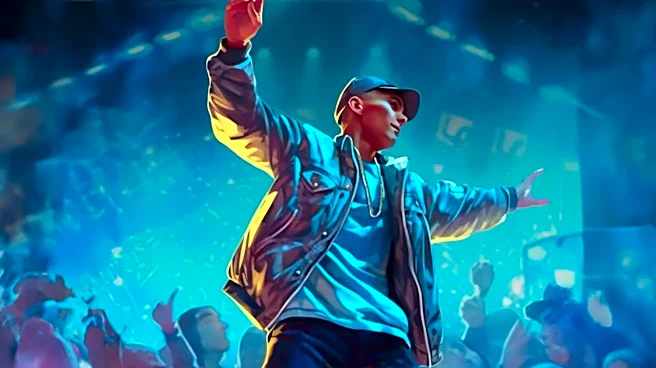
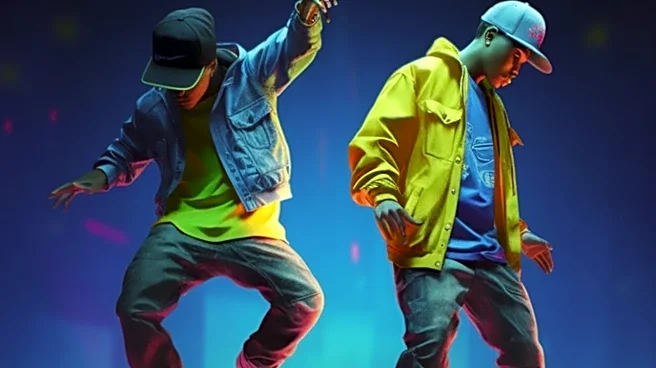
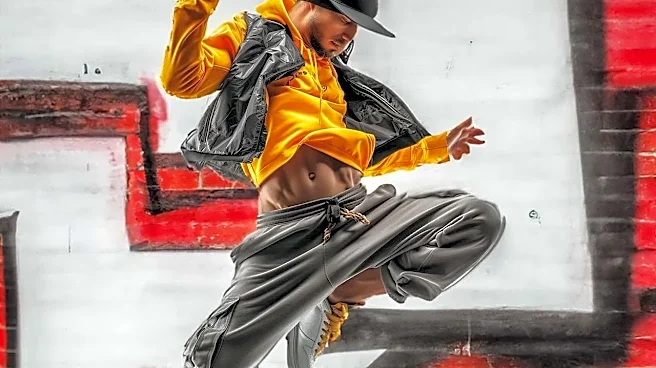
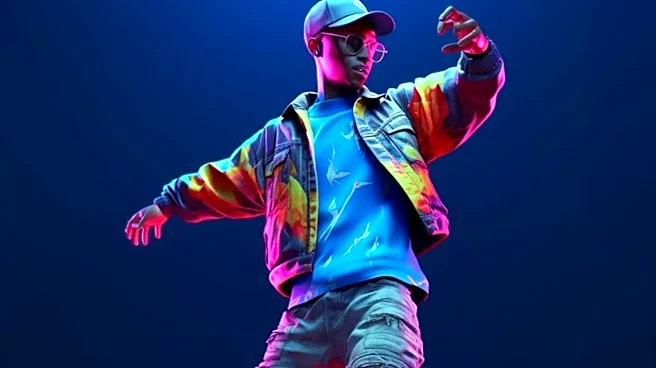
Sometimes, the biggest cheer of the night isn't for a high note, but for a specific two-step. From the earliest days of breakdancing to the viral TikTok challenges of today, dance has been inextricably linked to hip-hop. When a performer in a tribute medley breaks into a signature dance move from a classic music video, the crowd erupts with a unique kind of excitement. Think of the infectious energy of a Nelly or Missy Elliott video from the early 2000s. Seeing those moves perfectly recreated on stage decades later is a jolt of pure, unfiltered joy. It’s a physical manifestation of a song's spirit, a kinetic memory brought back to life. This isn't just about copying old moves; it's about channeling the energy and the era they represent. For those who grew up practicing these dances in their living rooms, seeing them honored on a grand stage is a profoundly validating experience. It celebrates the fun, the swagger, and the communal experience that has always been at the heart of hip-hop culture.
More Than Just Nostalgia
Ultimately, the joy of spotting these hyper-specific moments goes beyond a simple trip down memory lane. It’s about celebrating a living, breathing culture. These callbacks are proof of a continuous dialogue within hip-hop, where artists are constantly referencing, remixing, and building upon the work of those who came before them. These moments transform a viewer from a passive consumer into an active participant in the culture. That feeling of recognition is a reward for years of passionate engagement—for buying the albums, watching the videos, learning the lyrics, and appreciating the style. It reinforces the idea that this music is more than just entertainment; it's a shared history and a language that connects generations of artists and fans. In a world of fleeting trends, these deep cuts are a powerful reminder of the lasting legacy and intricate tapestry of hip-hop.