





Analog Sleuths in a Digital Age
At the heart of the show’s charm is the core trio: Charles-Haden Savage (Steve Martin), Oliver Putnam (Martin Short), and Mabel Mora (Selena Gomez). Charles and Oliver are proudly analog men, theatrical figures from a bygone era of landlines and long-winded
voicemails. When they decide to start a true-crime podcast, their unfamiliarity with the medium is the show’s foundational joke. Oliver, a flamboyant theater director, brings a flair for the dramatic but is baffled by basic audio equipment. Charles, a semi-retired actor, struggles to grasp the simple etiquette of texting, often signing his messages as if they were handwritten letters. Their attempts to navigate the digital world of podcasting, social media sleuthing, and online lingo are a constant source of comedy precisely because they feel so authentic. They aren't just clueless; they are smart men whose world has been upended by a technological landscape that evolved without them.
Mabel, the Millennial Translator
Enter Mabel Mora, the millennial artist who serves as the trio’s indispensable guide to the 21st century. Selena Gomez plays her with a perfect blend of deadpan wit and genuine affection. She is the one who understands that a clue might be buried in a victim's Instagram DMs, not just in a dusty old diary. Much of the humor stems from her role as a reluctant tech support agent and cultural translator for her older friends. She explains slang, deciphers cryptic emojis, and patiently guides them through the labyrinth of modern communication. Yet, the show cleverly avoids making Mabel a mere caricature of a tech-savvy youth. In a brilliant turn, a Gen Z character, Lucy, was introduced, whose rapid-fire TikTok slang left even Mabel feeling baffled and old. It’s a smart narrative choice that shows the technology gap isn’t a simple binary of old versus young, but a constantly shifting spectrum.
Not Just a Gag, But a Plot Device
What makes the show’s use of technology so brilliant is that it’s rarely just for a cheap laugh. The generational divide is woven directly into the mystery plots. A misinterpreted text can send the investigation spiraling in the wrong direction. An old flip phone might hold a crucial secret that only Charles or Oliver would think to check. The trio’s very podcast—a distinctly modern storytelling tool—is their engine for solving crimes, yet their old-school methods of talking to neighbors and noticing physical details are what often crack the case. The off-screen chemistry of the actors enhances this dynamic, with Gomez reportedly teaching Martin and Short the meaning of slang terms like "WAP" and "OG," a real-life parallel to their on-screen relationship. This blending of classic detective work with modern tech mishaps gives the series its unique rhythm and texture.
A Warm Reflection of Our Own Lives
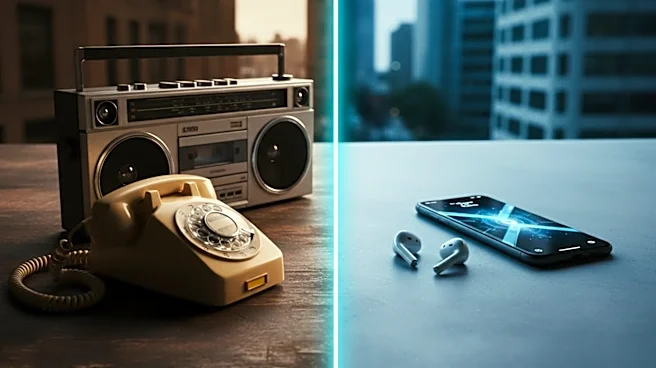
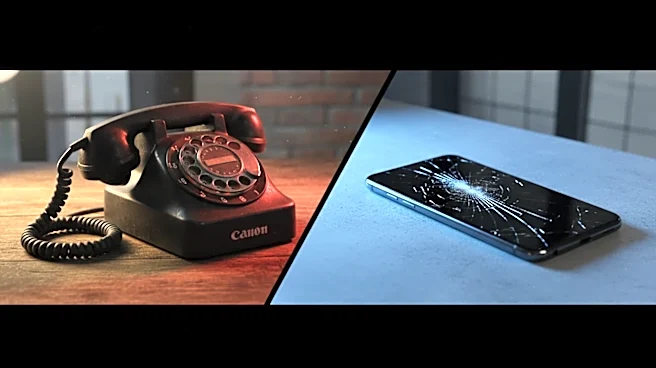
Ultimately, the reason the trio’s tech struggles resonate so deeply is because they reflect a dynamic present in millions of homes. The show taps into the universal experience of trying to connect with loved ones across a generational divide. It’s the grandson trying to explain a meme to his grandmother or the parent who texts in all caps. But crucially, “Only Murders in the Building” handles this clash with warmth, not mockery. The humor comes from a place of affection. Charles and Oliver’s fumbling with technology isn’t a sign of incompetence but a testament to their willingness to step out of their comfort zones to connect with Mabel and solve the crime. Their bond isn’t built despite their differences, but because of them. They learn from each other, creating a found family that bridges the gap between rotary phones and TikTok trends, proving that true connection is about more than just knowing which buttons to press.