
1. The Themed Movie Marathon
Remember stumbling upon an all-day “Harry Potter” marathon on a rainy Saturday? Or AMC’s FearFest morphing your entire October? These curated, day-long events were appointment television. Unlike a sterile streaming playlist, marathons created a sense
of occasion. They were a guilt-free pass to spend the day on the couch, united with thousands of others watching the exact same scene. This shared pacing, punctuated by collective social media commentary, is something the isolation of on-demand viewing can’t replicate.
2. Saturday Morning Cartoons
For generations, Saturday mornings were a sacred time. Fueled by sugary cereal, kids owned the television from roughly 8 a.m. to noon. This block wasn't just a random assortment of shows; it was a weekly ritual that introduced children to superheroes, goofy animals, and animated adventures. It was a distinct cultural space carved out just for them, a stark contrast to today’s endless, algorithm-driven cartoon libraries on YouTube and Netflix. That weekly structure created a shared language for an entire generation of playground conversations.
3. The 'Very Special Episode'
The dramatic promo, the serious music, the promise of a story that would “change everything.” The “very special episode” tackled tough topics, from substance abuse to peer pressure, and was a hallmark of sitcoms and teen dramas. While sometimes cheesy in hindsight, these episodes broke the regular format to signal that something important was happening. In today's binge-watching model, where serious plotlines are woven into an entire season, we've lost that singular, focused event that demanded we pay attention right now.
4. Channel Surfing for Discovery
The simple act of clicking the “channel up” button was a form of entertainment roulette. You might land on the last 20 minutes of a movie you’d never choose but couldn’t turn away from, a weird documentary, or a classic sitcom rerun. This serendipity is lost in the hyper-personalized streaming world, where algorithms are designed to show you more of what you already like. Channel surfing forced discovery and created a more diverse, if accidental, media diet.
5. The Live Award Show Experience
Watching the Oscars or the Grammys on cable was a multi-hour commitment, from the red carpet pre-show to the final award. It was a live, communal experience filled with fashion critiques, surprise wins, and meme-worthy moments. While these events are still streamed, the experience is fragmented across social media feeds and second screens. The cable tradition locked everyone into the same broadcast, at the same time, creating a massive, real-time watercooler conversation that feels more diluted today.
6. The Late-Night Monologue as a Daily Debrief
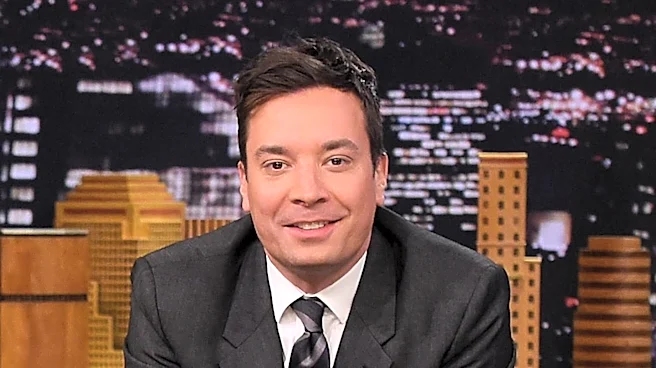
Before clips were chopped up and algorithmically served on YouTube the next morning, the late-night monologue was a nightly ritual. It was how millions of Americans processed the day’s news through a comedic lens, a shared closing ceremony for the day. Watching the full monologue from Carson, Letterman, or Leno provided a cohesive, structured take on the world. Today’s clip-based consumption misses the rhythm and narrative flow that made the monologue a comforting and essential daily touchstone.
7. Legendary Programming Blocks
Shark Week on Discovery. Monstervision on TNT. TRL on MTV. These weren't just shows; they were branded, can't-miss events that defined a channel’s identity and gave viewers a reason to tune in. They built communities around shared interests and created cultural moments year after year. Streaming services have tried to replicate this with curated collections, but they lack the temporal urgency. A programming block was a promise: be here this week, or you'll miss out.
8. Watching Movies with Commercials
An unpopular opinion, perhaps, but hear it out. The forced breaks in a cable-broadcast movie created a unique rhythm. They were scheduled pauses for snack runs, bathroom breaks, and quick debriefs with whoever you were watching with. They built anticipation for what was coming next. In a world where we can pause anything, we've lost those built-in moments of reflection and social interaction. The commercial break, for all its annoyance, was a structural part of the communal viewing experience.
9. The 'Next On...' Cliffhanger
At the end of a dramatic episode, the deep-voiced announcer would cut in: “Next on…” A flurry of shocking, out-of-context clips would flash by, leaving you desperate to know what happens next week. This was a masterclass in building week-long suspense. The autoplay function on streaming services, which immediately rolls into the next episode, kills this delicious tension. It prioritizes instant gratification over the slow burn of anticipation that made weekly television so compelling.