



More Than Just an Old Dress
In a world of fleeting micro-trends, the appeal of archival fashion has never been stronger. Pulling a gown from a designer's past collections isn't just a nod to history; it's a statement of individuality and a vote for sustainability. Celebrities and stylists
are increasingly turning to vintage pieces for red carpet events, seeking the unique narrative and unmatched craftsmanship that an older garment provides. From iconic Nineties Tom Ford for Gucci designs to breathtaking Fifties Dior, these dresses tell a story. But the challenge is ensuring the story feels relevant to today's audience, not like a page torn from a history book. The goal is to wear the dress, not let the dress's era wear you.
The Decisive Art of Subtraction
So, what is the single most important decision? It isn't about adding a modern shoe or a contemporary bag, though those things help. The real secret is subtraction. The key is to consciously strip away all the other period-specific styling cues that originally accompanied the dress. Think about the era the dress came from: the hair, the makeup, the jewelry, the posture. The most common mistake is attempting a full-throttle homage. To make a vintage piece feel current, you must isolate the dress as the sole historical artifact. Everything else—from your hair and makeup down to your choice of accessories (or lack thereof)—should be unapologetically of the moment. It's a deliberate choice to decontextualize the garment from its original time and place it firmly in your own.
How the Style Icons Do It
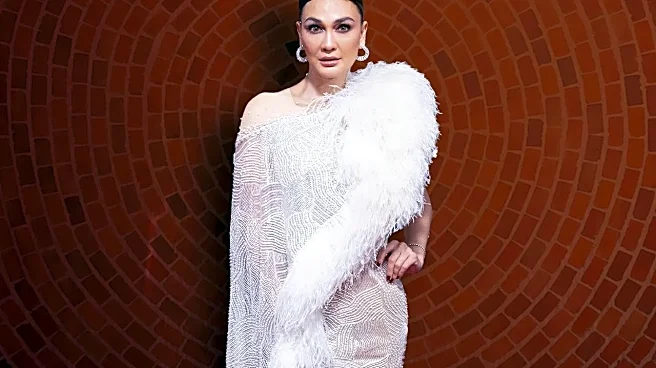
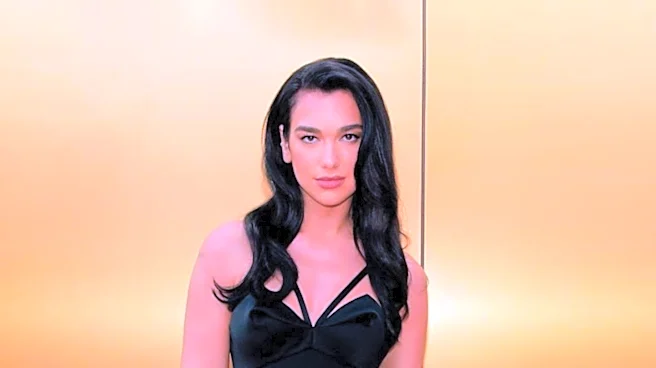
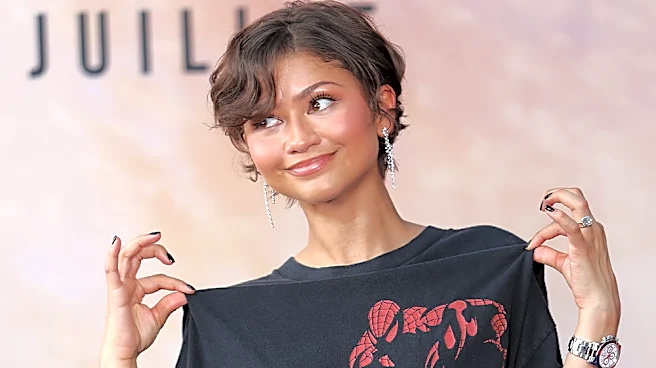
Look at any celebrity who has successfully worn an archival piece, and you'll see this principle in action. When a star wears a vintage Versace gown from the early 2000s, she doesn't pair it with the frosted lipstick and spiky updo of that era. Instead, the styling is clean, minimal, and personal. The hair might be a simple, sleek bun or effortless waves. The makeup is often focused on fresh, glowing skin, not the heavy contour or dramatic eyes of the past. Jewelry is kept to a minimum, allowing the dress's design to take center stage without competing with busy accessories. By surrounding the historic dress with a modern, almost spare canvas, the wearer’s own personality shines through, creating a compelling dialogue between past and present. The dress becomes an element of their style, not a uniform they are wearing.
Making It Your Own
This isn't just a red carpet trick; it’s a practical approach for anyone wanting to incorporate vintage into their wardrobe. Say you find a beautiful 1970s prairie dress at a thrift store. Instead of leaning into the bohemian vibe with feathered hair and platform sandals, try pairing it with stark white sneakers and a tailored modern blazer. If you have a classic 1960s shift dress, forget the bouffant and kitten heels. Style it with sharp, architectural ankle boots and a single, modern piece of jewelry. The idea is to create an intentional and slightly jarring contrast. This friction between the old and the new is what generates interest and makes the outfit feel dynamic and considered, rather than a faithful—and often dated—recreation.