




A World Dressed in Sweatpants
Cast your mind back to late 2020. The world was deep in the throes of the COVID-19 pandemic. Our collective wardrobe had shrunk to a monotonous rotation of sweatpants, hoodies, and fuzzy socks. Social events were canceled, travel was a distant memory,
and the highlight of many people's day was a walk around the block. Fashion, for most, had become purely functional, prioritizing comfort for a life lived almost entirely indoors. There was little reason to dress up, and the glamour of getting ready for a night out felt like a relic from a bygone era. The sartorial landscape was bleak, defined by practicality and a distinct lack of joy.
An Escape Hatch Lined with Tulle
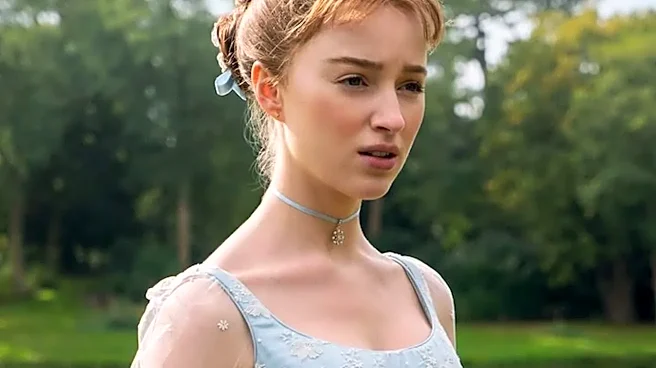
Into this grey, fleece-lined world dropped Bridgerton on Christmas Day. It was a visual explosion of color, opulence, and unapologetic maximalism. Costume designer Ellen Mirojnick didn't just recreate Regency-era clothing; she created a heightened, fantastical version of it. The screen was filled with vibrant, candy-colored gowns, intricate embroidery, sparkling jewels, and towering hairpieces. It was the complete antithesis of pandemic life. Where our world was small and confined, Bridgerton offered grand ballrooms. Where we had uncertainty, it had structured courtship rituals and social seasons. The show provided pure, unadulterated escapism, and the costumes were the main vehicle for that fantasy. Viewers weren't just watching a story; they were immersing themselves in a world where beauty and extravagance were the norm.
The Birth of 'Regencycore'
Almost immediately, the show's aesthetic leaped off the screen and into our digital lives, sparking a trend dubbed 'Regencycore'. Suddenly, after months of celebrating comfort, there was a collective yearning for corsets, empire-waist dresses, pearl headbands, and elbow-length gloves. According to the fashion search platform Lyst, in the weeks after the show's debut, searches for corsets skyrocketed by 123%, while empire-line dresses jumped 93%. This wasn't just about copying outfits. It was about adopting a feeling. This phenomenon, sometimes called 'dopamine dressing', involves wearing clothes to boost your mood. The hyper-feminine, romantic, and ornate details of Regencycore were a direct antidote to the somber reality of the time. It was a way to inject a dose of fantasy and hope into a wardrobe that had been starved of both.
The Perfect Digital Storm
Bridgerton's fashion boom was also amplified by the social media landscape of the era. Platforms like TikTok and Instagram were the perfect breeding ground for a visually rich trend like Regencycore. Confined to their homes, people began creating content inspired by the show, from styling modern takes on Regency outfits to hosting themed tea parties. The trend was less about historical accuracy—Mirojnick herself took creative liberties, blending 19th-century silhouettes with 1950s Dior inspirations—and more about capturing a spirit of romanticism and elegance. This digital groundswell made the trend accessible, showing people how to incorporate a puff-sleeve top or a corset belt into their everyday, post-lockdown lives, ensuring the fantasy felt attainable.