


An Uncompromising Visual Scale
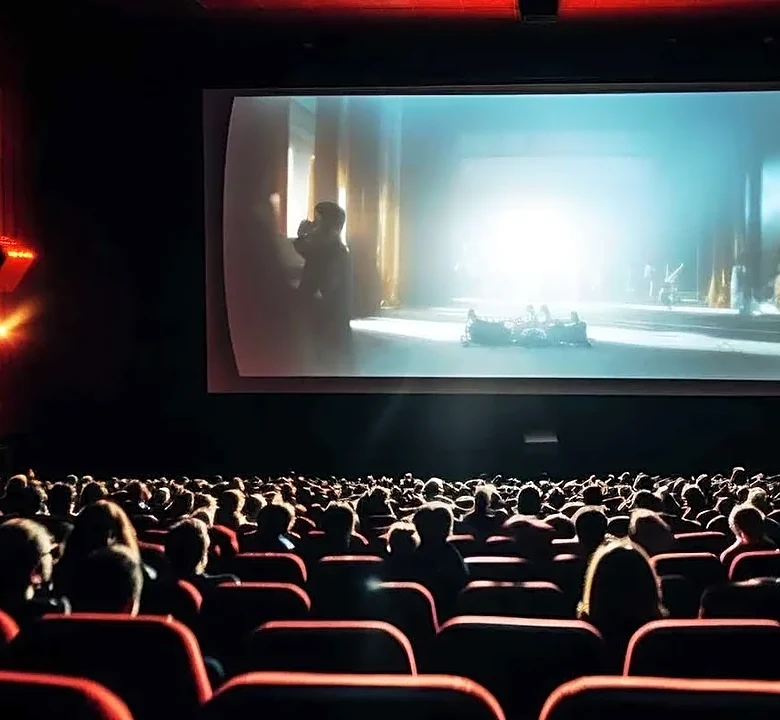
The fundamental promise of the cinema is scale. It’s the one thing your living room, no matter how tricked out, can never truly replicate. This fall's movies can't just be stories; they have to be spectacles designed for screens that are measured in feet,
not inches. Think sweeping epics and sci-fi sagas with worlds so detailed they swallow you whole. Filmmakers like Christopher Nolan have long championed this, arguing that cinema is a "pure audiovisual experience" that transcends mere plot points. He and others have proven that audiences will show up for a vision that feels massive and immersive. Premium formats like IMAX and Dolby Cinema are no longer a niche upgrade; they are a core reason to buy a ticket. They offer a level of visual information and immersion—seeing a film in its intended, larger aspect ratio—that is simply unavailable at home. For a fall movie to compete, it must use every inch of the canvas.
Sound That Becomes Physical
We often focus on what we see at the movies, but what we hear—and feel—is just as critical. The advanced soundscapes of modern theaters, particularly with systems like Dolby Atmos, are a world away from a standard soundbar. It’s not about sheer volume; it's about precision, dimension, and texture. It's the subtle creak of a floorboard from behind you in a horror film, the roar of an engine that seems to travel across the auditorium, or the swell of a score that envelops you completely. Nolan refers to this as the "aural experience," a key component that, along with visuals, defines what a movie truly is. This sonic immersion creates a physical, visceral reaction that enhances emotional engagement. Streaming can deliver a story, but it can’t deliver the feeling of a soundscape that lives and breathes around you. That remains the unique domain of the theater.
The Power of the Crowd
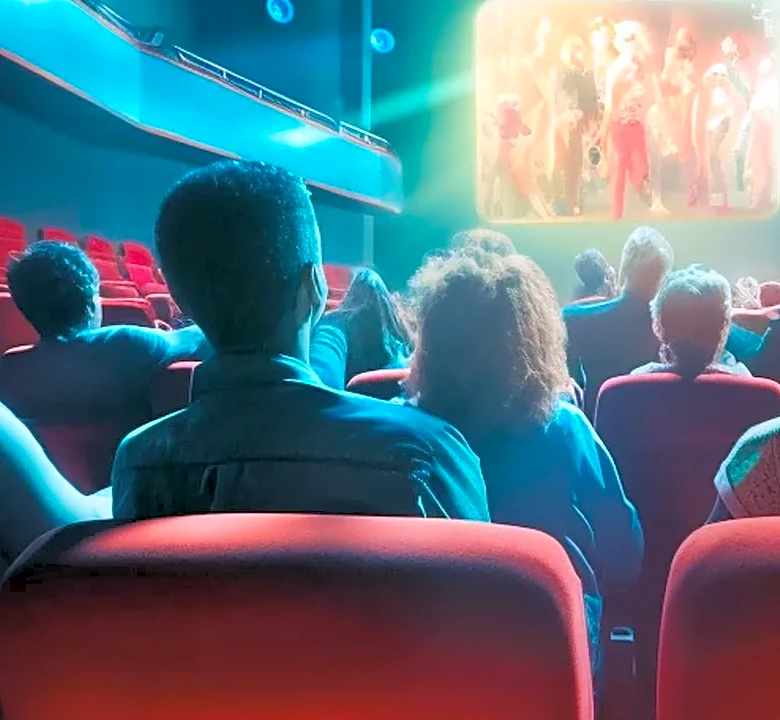
The most underrated feature of the movie theater is the other people. In an increasingly isolated world, the cinema remains one of our last true communal spaces, or "third places." There's an irreplaceable energy in experiencing a story simultaneously with a room full of strangers. It’s the collective gasp during a shocking twist, the shared eruption of laughter at a perfectly timed joke, or the unified cheer during a triumphant moment. This shared reaction amplifies our own emotions and turns a passive viewing into an active, communal event. Especially for younger audiences like Gen Z, going to the movies is a primary social activity. It’s a chance to participate in a cultural conversation in real-time. A movie at home is consumption; a movie in a theater is a shared experience.
Making It an Event
In the endless scroll of streaming libraries, where content is cheap and choices are overwhelming, everything feels disposable. A movie that flops at the box office can become a number-one hit on a streaming platform simply because the barrier to entry is a click, not a forty-dollar outing. Theatrical releases have to fight this disposability by positioning themselves as genuine events. It requires buying a ticket in advance, leaving the house, and dedicating two hours of your undivided attention. This ritual transforms the movie from just another piece of content into a planned cultural moment. Studios and theaters that succeed are the ones that lean into this, creating buzz and a sense of urgency. The goal isn't just to release a film but to create a phenomenon that people feel they must be a part of, right now, before the conversation moves on.