





An Idea and a Movie Star
The story begins in the late 1980s, when screenwriter Marc Norman had an idea, sparked by his son, about a young William Shakespeare navigating writer's block. By 1991, the project landed at Universal Pictures with director Edward Zwick attached. The studio's
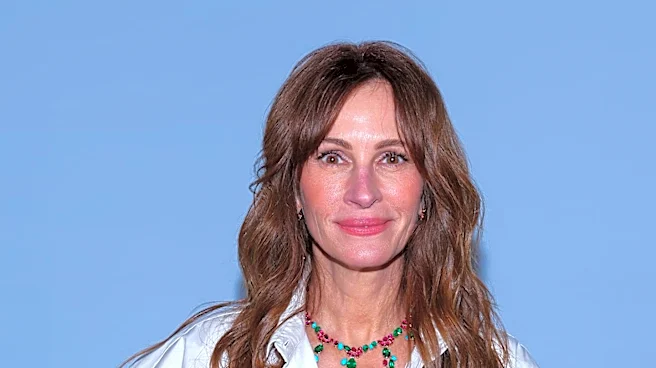
excitement, however, wasn't just for the script; it was for the megawatt star who agreed to play the fictional muse, Viola de Lesseps: Julia Roberts. Fresh off Pretty Woman, Roberts’ attachment was the key that unlocked the initial funding. With its leading lady in place, the production seemed destined for a swift journey to the screen. But finding her Shakespeare would prove to be an insurmountable obstacle.
The Quest for the Perfect Shakespeare
Roberts had one actor and one actor only in mind to play the Bard: Daniel Day-Lewis. She was reportedly obsessed with casting him, believing him to be the only one with the requisite brilliance and intensity. The problem was that Day-Lewis had already committed to another film, In the Name of the Father, and politely declined. Undeterred, the production began a wide-ranging search, with a who's who of future British stars reading for the part, including Ralph Fiennes, Hugh Grant, Colin Firth, and Sean Bean. According to producer Edward Zwick, Roberts was unimpressed, finding fault with every actor who auditioned. The chemistry just wasn't there, and without her perfect co-star, her enthusiasm for the project evaporated.
A Costly Collapse
The breaking point came during a final screen test with actor Paul McGann. Zwick recounted that during the test, it became clear Roberts hadn't worked on her English accent and that the performance lacked magic. Shortly after, just six weeks before filming was set to begin, Roberts abruptly quit the production. Her departure pulled the plug on the entire enterprise. Universal had spent a reported $6 million on pre-production, including sets and costumes, all of which had to be scrapped. With its star gone and a significant financial loss, the studio put Shakespeare in Love in turnaround, a Hollywood term for a project that is officially shelved but available for another studio to purchase. For years, the script languished, rejected by every other major studio.
The Miramax Intervention
The script might have been lost forever if not for Harvey Weinstein. The head of Miramax Films expressed interest, but initially balked at the $6 million in sunk costs Universal wanted to recoup. Several years passed before Weinstein's company finally purchased the rights in 1996. With Miramax now backing the film, the project was resurrected. However, Zwick, the original director, was moved into a producer role, and the studio brought in John Madden to direct. To refine the screenplay, Miramax also enlisted acclaimed playwright Tom Stoppard, whose expertise in both Shakespearean themes and witty dialogue proved transformative. Stoppard's rewrites deepened the story, layering Norman's original concept with the comedic and romantic complexity that would define the final film.
A New Cast and an Unlikely Triumph
With a new director and a revitalized script, the film found its perfect cast. Gwyneth Paltrow, who reportedly saw the script at a friend's house, won the role of Viola. Joseph Fiennes was cast as the lovesick Will Shakespeare. They were surrounded by a stellar ensemble including Geoffrey Rush, Colin Firth, Ben Affleck, and Judi Dench, whose brief but powerful performance as Queen Elizabeth I would win her an Oscar. The film, once considered a risky project with the word "Shakespeare" in the title, went on to become a critical and commercial sensation, grossing nearly $290 million worldwide and winning seven Academy Awards, including the highly controversial Best Picture prize. The long, torturous road to production had, against all odds, led to a masterpiece.