





The Necessary Evil of Compression
First, let's get one thing straight: without video compression, streaming as we know it would be impossible. An uncompressed 4K movie file is astronomically large; a single Blu-ray disc would only hold a few minutes of it. To send that much data over
the internet to millions of homes simultaneously is not feasible. So, streaming services use complex algorithms called codecs to shrink video files down to a manageable size. Think of it like a ZIP file for video. The codec cleverly throws away visual information it deems unnecessary or imperceptible to the human eye, making the file small enough to fly across your internet connection without endless buffering. For the most part, this process is a modern miracle. But it has an Achilles' heel: darkness.
Why Darkness Breaks the Algorithm
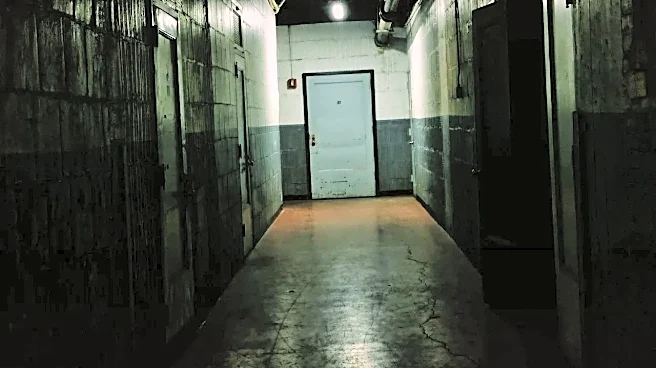
Compression algorithms are masters of efficiency. They save the most space when they can identify large, simple areas of an image. A bright blue sky or a plain white wall is easy—the algorithm can essentially say, “make this whole block of pixels the same color.” But a dark, shadowy corner in a horror film is the opposite of simple. What appears to be black is actually a complex tapestry of thousands of subtle, near-black gradients. A cinematographer might use faint light to suggest a shape or create a mood, but the compression algorithm sees a data-heavy nightmare. Overwhelmed and trying to save space, it aggressively simplifies, averaging out those subtle variations. This results in the loss of crucial detail that the director intended for you to see, or at least feel.
Meet the Villains: Banding and Macroblocking
When compression goes wrong in dark scenes, two main visual artifacts show up to spoil the party. The first is “color banding,” which appears as distinct, ugly stripes of color where a smooth gradient—like light from a flashlight fading into darkness—should be. Instead of a seamless transition, you see what looks like a contour map of the shadows. The second, and often more distracting, is “macroblocking.” This is when those subtle, dark gradients are crushed into chunky, noticeable squares or blocks. The delicate texture of a stone wall or the fabric of a coat disappears, replaced by a pixelated mess. This is particularly damaging in horror, where what you almost see in the shadows is where the fear lives. Macroblocking turns suspense into a digital distraction, pulling you out of the movie.
The Artist's Intent vs. Bandwidth
This isn't just a technical problem; it's an artistic one. Directors and their cinematographers spend immense effort and money to light a scene perfectly, creating a specific mood and guiding the viewer's eye. They use shadow and low light to build tension and hide threats. When aggressive compression tramples all over that careful work, it's a betrayal of the artistic vision. The infamous dark episode of “Game of Thrones” is a prime example that brought this issue to mainstream attention, with many viewers complaining they couldn't see the action through the murky, compressed video. While some of it is a creative choice, much of the bad viewing experience is due to streaming services prioritizing bandwidth savings over preserving every bit of visual integrity.
Is There Any Hope?
For viewers who prize quality above all, the best solution remains physical media. A 4K Ultra HD Blu-ray disc can deliver data at a much higher rate (bitrate) than a typical 4K stream, preserving far more of the original detail in those tricky dark scenes. Some streaming services are better than others, with newer, more efficient codecs like HEVC improving the situation, but the fundamental tradeoff between file size and quality remains. You can also help your own cause by properly calibrating your television. Turning off motion smoothing and ensuring your TV is set to “Filmmaker Mode” can help present the image as the director intended, though it can't restore data that compression has already thrown away.