



The Unshakeable Power of the Event Film
Despite years of predictions about the death of cinema, the holiday blockbuster remains a powerful cultural force. Box office numbers for recent holiday seasons show that when Hollywood offers a true spectacle, audiences show up in massive numbers. This
isn't just about seeing a movie; it's about participating in a cultural moment. The fear of missing out (FOMO) is a potent driver, fueled by relentless marketing campaigns that turn a film premiere into an unmissable event. Theaters have leaned into this by transforming the moviegoing experience itself, with premium formats, exclusive merchandise, and special screenings that streaming can't replicate. In an era of endless content consumed in isolation, the act of gathering in a dark room to share gasps and applause with hundreds of strangers has become a rare and valuable form of connection.
The Seven-Second Itch in a Three-Hour Movie
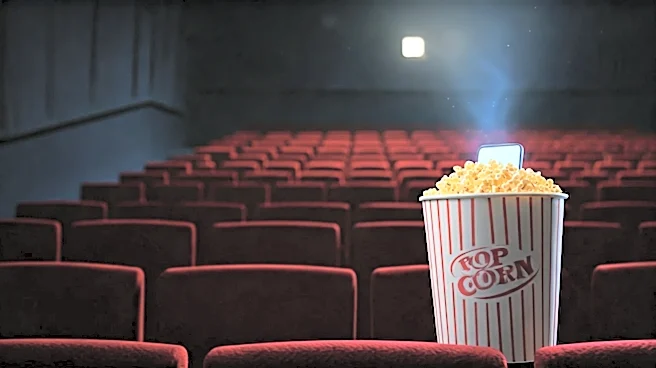
Here's the other side of the paradox: even as we commit to the theater, we bring our fragmented attention spans with us. The smartphone, our constant companion, has rewired our viewing habits. The urge to check a notification, look up an actor, or simply scroll during a slower moment is a constant battle. This behavior, often called "second-screening," has become the norm for at-home viewing, and it inevitably bleeds into the theatrical experience. While some studies suggest a cinema environment naturally commands higher attention than any other video platform, the anecdotal evidence of glowing screens in dark theaters is undeniable. This creates a tension between the immersive environment the theater is designed to provide and the distraction-welcoming habits we've developed outside of it.
Are Films Now Built for Distraction?
Perhaps the most fascinating part of this phenomenon isn't just how audiences have changed, but how the movies themselves seem to be adapting. Today's blockbusters are often structured differently than their predecessors. Pacing has accelerated, with many films favoring a rapid succession of high-impact set pieces over dense, slowly unfolding narratives. You can mentally check out for a few moments and still easily catch up. The emotional beats are often broader and the dialogue more direct, ensuring the core story is digestible even with intermittent focus. This isn't necessarily a criticism, but an observation of an evolutionary shift. Filmmakers and editors understand they are competing for attention second by second. As a result, many modern event films are engineered to be resilient to the very distractions that plague their audience, delivering spectacular moments that puncture through the noise.
Together, But Alone in the Dark
This brings us to the heart of the paradox: we go to the movies to feel part of a collective, yet we remain tethered to our individual digital worlds. The shared experience is real—the collective laughter at a joke, the unified gasp at a twist—but it's also increasingly fragile. The person next to you might be fully immersed, while another is bathed in the blue glow of their phone, experiencing the film in fragmented pieces. It raises a question about the future of cinematic storytelling. As our ability to grant undivided focus becomes a scarcer resource, will filmmakers lean further into spectacle that doesn't demand it, or will they find new, innovative ways to command our complete and total attention, reminding us of the unique magic that happens when we truly give ourselves over to a story on the big screen?