








Every October, we dust off the same three ingredients for a familiar cultural stew: costumes, decorations, and candy. We treat them as simple props for a night of fun, but what if they’re doing more? These elements are secret storytellers.
Costumes: A One-Night-Only Identity
A Halloween
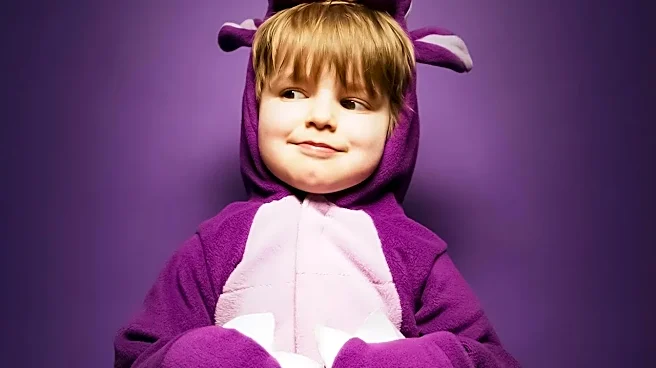
costume is the most obvious form of storytelling, letting us literally wear a narrative for a night. At its core, dressing up is an exploration of identity. Psychologists refer to the idea that our clothing impacts how we feel and act as 'enclothed cognition'. When you dress as a superhero, you might feel a little braver; as a historical figure, you might carry yourself with more gravity. It’s a low-risk opportunity to try on a different persona. A shy person might choose an extroverted character, giving them permission to be loud and bold in a way their daily life doesn’t allow. This temporary transformation is liberating, offering a brief escape from the roles and expectations we navigate every day. But costumes don’t just tell personal stories; they reflect broader cultural ones. The popular costumes of any given year create a time capsule of our collective interests, anxieties, and heroes. They can be a form of social commentary, a nod to a beloved movie, or a way to feel connected to a larger trend. Whether you’re part of a group costume that screams “we belong together” or a solo act making a statement, your choice is a character study, revealing a part of your personality or a desire you wish to express.
Decorations: Building a Shared World
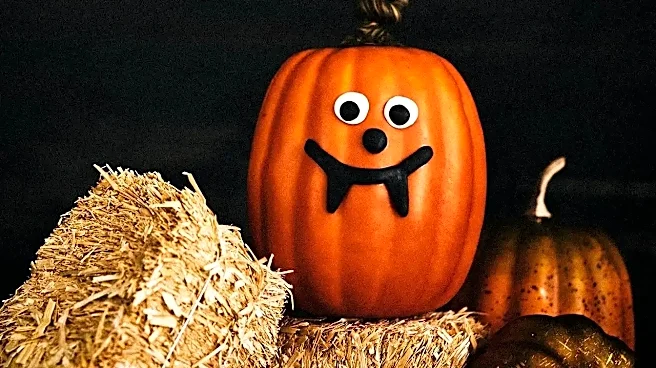
If costumes are about individual characters, decorations are about world-building. That one neighbor who goes all out with a graveyard on their lawn isn’t just decorating; they’re setting a scene for the entire community. Skeletons, ghosts, and jack-o'-lanterns do more than just signal a holiday; they transform familiar, safe streets into a temporary fantasy world. The carved pumpkin, an Irish tradition adapted in America, was originally intended to ward off spirits, its light a symbol of protection. Today, that glowing face on a porch acts as both a welcome and a playful warning, turning a private home into a public stage. This collective effort creates a shared narrative. For one night, the neighborhood agrees to suspend reality and participate in a game. Streets become social spaces where residents, who might otherwise only exchange polite nods, now have a reason to interact. The decorations provide the script, signaling which houses are participating in the night's story. This act of communal decorating reinforces social bonds and builds a sense of belonging. It’s a visual confirmation that “we’re all in this together,” turning a collection of houses into a connected, albeit spooky, village.
Candy: A Simple, Sacred Contract
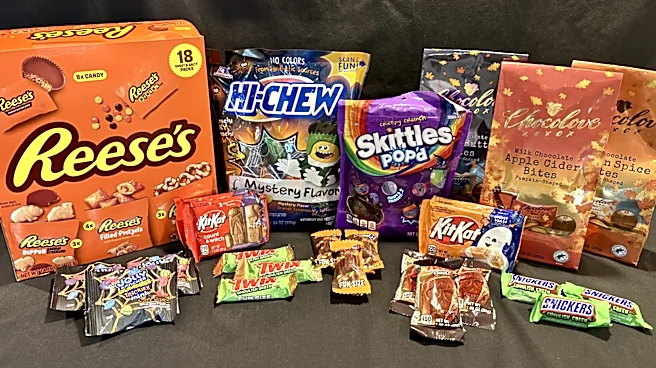
The final piece of the narrative puzzle is candy, and its role is far more profound than just a sugar fix. The act of trick-or-treating is a deeply ingrained social ritual that reinforces trust and community ties. Its origins trace back to ancient Celtic practices of leaving food for spirits and the medieval tradition of “souling,” where the poor would pray for the dead in exchange for food. The modern exchange of candy for the implied promise of “no tricks” is a symbolic social contract. When a resident opens their door to a group of unknown, masked children, they are performing an act of trust. In turn, the children learn basic rules of community engagement: be polite, say thank you, and respect your neighbors' property. This simple transaction, repeated from door to door, becomes a powerful ritual. It maps the neighborhood for children, teaching them who their community is, one piece of candy at a time. It’s a moment of connection between generations and strangers, all playing their part in a tradition that strengthens the social fabric. It’s not just about the candy itself, but the act of giving and receiving, which reaffirms that we live in a community that can be relied upon.