



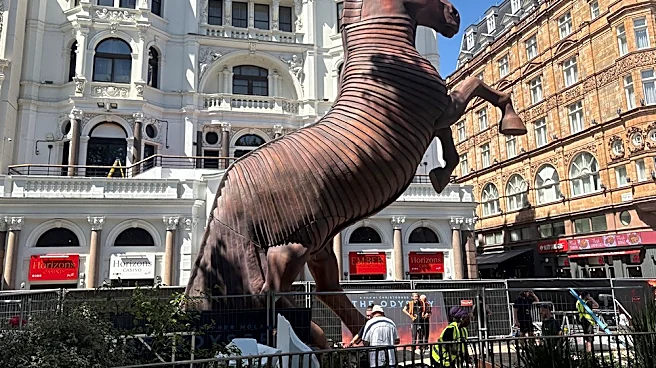

The Original Story-Within-a-Story
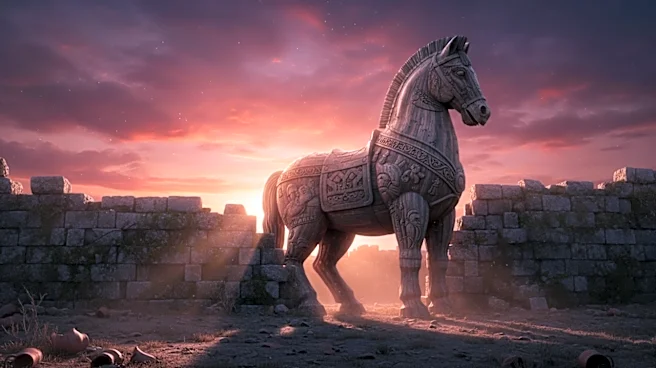
First, a quick refresher on one of the most famous military tricks ever conceived. After a decade of fruitless war, the Greeks pretend to sail away from Troy, leaving a giant wooden horse on the beach. The Trojans, despite warnings, drag the magnificent
"offering" into their impenetrable city as a trophy. But the horse is hollow, a container hiding Greek soldiers who emerge at night, open the city gates, and seal Troy’s doom. The genius of the ploy wasn't just the horse itself; it was the layered deception. It required a cover story, a fake retreat, and a planted agent, Sinon, to sell the lie. The horse was a spectacular object designed to be willingly pulled inside the gates, carrying its secret within.
The Nolan Box of Tricks
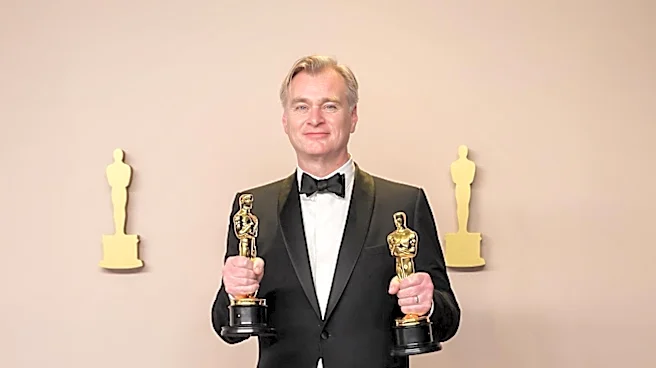
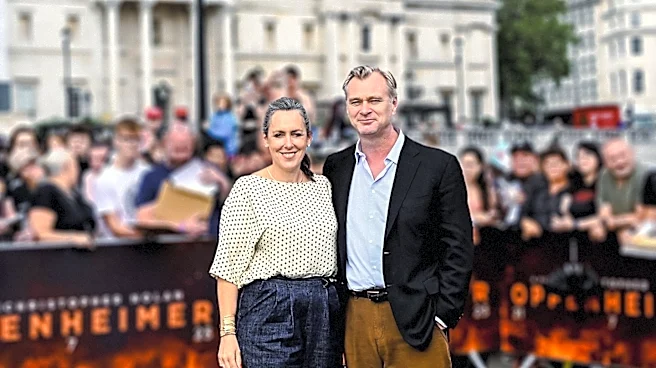
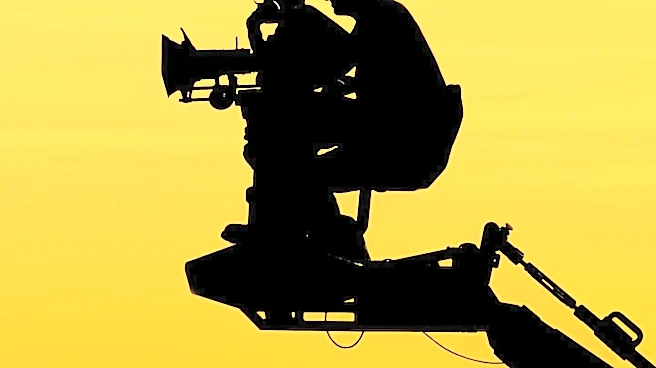
Now, think about Christopher Nolan’s filmography. His movies are famous for their intricate plots, non-linear timelines, and a recurring obsession with deception. From the backward-moving narrative of Memento to the nested dream-worlds of Inception, Nolan is a filmmaker who loves to construct narrative puzzles. He doesn't just tell stories; he builds them like elaborate machines, full of hidden compartments and misdirection. His films demand that you watch closely, aware that what you’re seeing is only one part of a much larger, more complex design. Like a master magician, he shows you one hand while the real trick is happening with the other.
The Horse at the Center of the Maze
This is where the Trojan Horse comes in. Nearly every major Nolan film has one: a grand, spectacular concept that serves as the vessel for the real story. In Inception, the “horse” is the breathtaking idea of shared dreaming and multi-level heists. It’s a dazzling concept that we, the audience, eagerly accept. But smuggled inside that high-concept vehicle is a much more intimate story about a man grappling with guilt and grief. In The Prestige, the dueling magicians' teleportation machines are the horses. The spectacular trick on stage distracts from the horrifying human sacrifice happening just beneath the surface. These central conceits are the shiny objects Nolan gets us to wheel inside our minds, allowing him to sneak in the deeper thematic payload.
The Audience Wants to Be Fooled
The Trojans weren't just tricked; they were active participants. They ignored the warnings of Laocoön and Cassandra because the story of a divine gift was more appealing than the frightening truth. This perfectly mirrors the central theme of The Prestige, where Michael Caine’s character explains the nature of a magic trick: “The audience knows the truth: the world is simple. It's miserable, solid all the way through. But if you could fool them, even for a second... then you can make them wonder.” Nolan understands that audiences don't just want to be told a story; they want to be part of the illusion. We want to believe in the dream machine, the time-bending algorithm, or the impossible magic trick because it’s more exciting than plain reality. We willingly suspend our disbelief, allowing the filmmaker to perform his prestige.