


The Power of Less Light
The first and most powerful trick is subtraction. Horror and suspense are built in the shadows, and Halloween episodes thrive on what you can't see. Cinematographers achieve this with a technique called low-key lighting, which creates a high-contrast
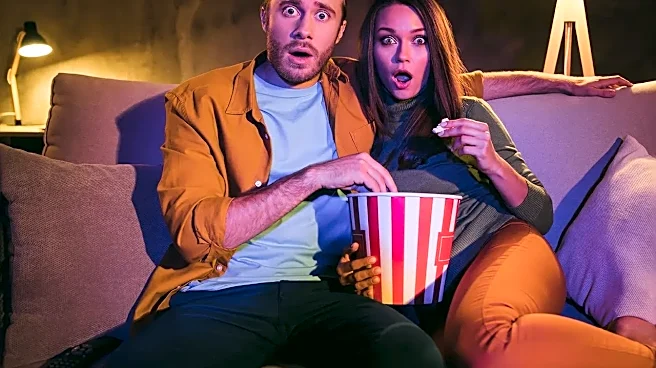
image dominated by darkness. By removing the usual bright, even lighting that makes a sitcom set feel warm and inviting, they create deep pools of shadow where anything could be lurking. This plays on a very primal fear of the unknown. The familiar couch and armchair are still there, but now they cast long, distorted shadows, making the entire room feel menacing and unsafe. The audience's imagination is left to fill in the terrifying blanks, a trick far more effective than showing an obvious monster.
A Palette of Fear
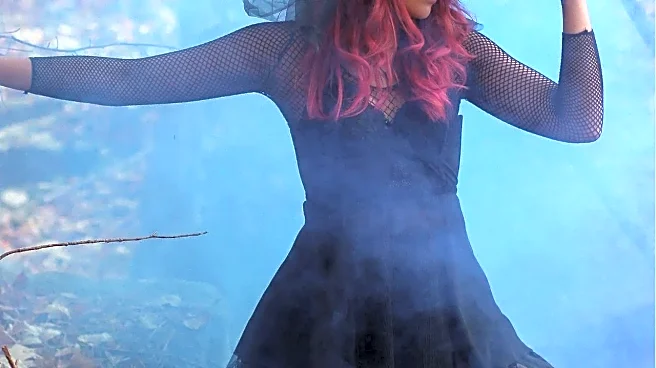
Color is a shortcut to emotion, and for Halloween, the palette is intentionally unsettling. Lighting designers use colored gels or modern RGB LED lights to wash a scene in unnatural hues. Deep blues are often used to simulate a stark, eerie moonlight, while sickly greens can make a space feel toxic or otherworldly, like a witch's cauldron is bubbling just off-screen. Saturated reds can signal immediate danger or supernatural rage. These colors are effective because they're jarring. We don't expect a suburban kitchen to be bathed in a ghoulish purple light, so when it is, our brain immediately registers that something is wrong. This color shift instantly separates the Halloween special from a normal episode, signaling that the usual rules of the show's world no longer apply.
The Uncanny Effect of Uplighting
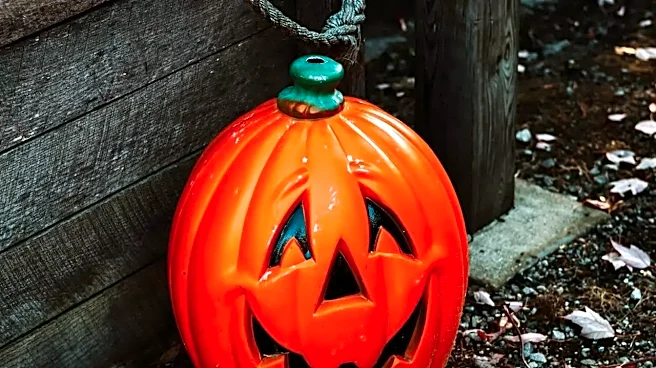
Think of the last time you told a ghost story with a flashlight under your chin. That's uplighting, and it's a classic horror technique for a reason. Normal lighting in film and television comes from above, mimicking the sun or overhead fixtures. This creates shadows that look natural to us. When you place a light source below a subject, it reverses these familiar shadows, carving out cheekbones and casting strange shadows into the eye sockets. This simple change makes a beloved, friendly character look instantly sinister and alien. A Halloween episode might justify this with a character holding a jack-o'-lantern or a candle, using a 'practical' light source within the scene to create a deeply unsettling effect on a face we thought we knew.
Flickering, Fading, and Unstable Sources
Stable, consistent light is comforting. Unstable light is terrifying. Halloween episodes frequently employ dynamic lighting effects to build suspense. A flickering lamp, the strobing static from a television, or the frantic beam of a flashlight cutting through a dark room all create a sense of chaos and panic. These techniques do two things: they provide fleeting glimpses of the scary thing in the dark, and the unpredictable rhythm keeps the audience on edge. A strobe effect can make a threat seem to jump unnaturally from one spot to another, while a slow-fading light in a basement scene creates a suffocating sense of impending doom. This instability makes the environment itself feel like a threat.
Creating Depth and Distortion
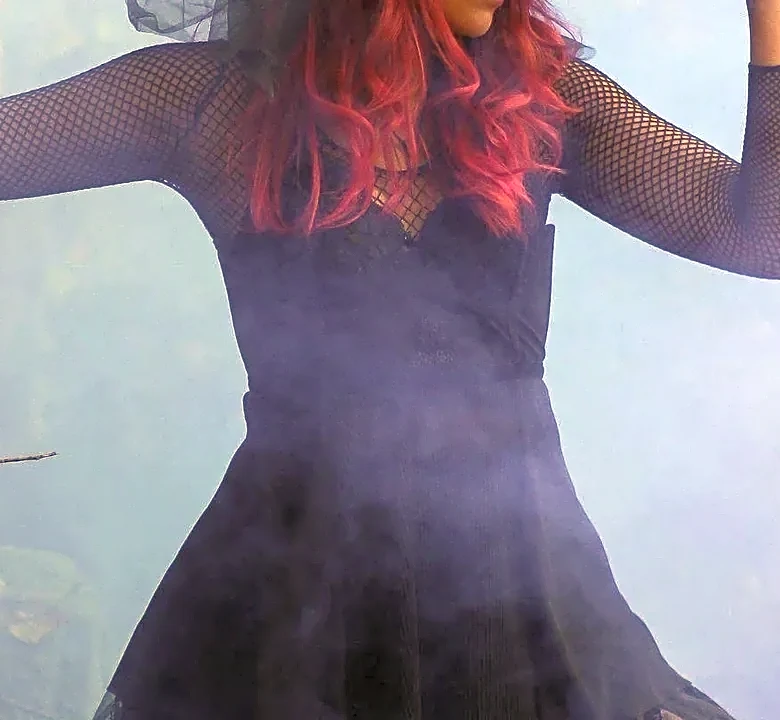
Beyond color and shadow, cinematographers use lighting to manipulate the very shape of the space. By lighting something in the deep background while keeping the foreground dark, they can create a voyeuristic feeling, as if we are watching from a hiding place. They might also use a technique called a 'Dutch angle,' where the camera itself is tilted to create a disorienting, off-kilter world. When combined with harsh lighting, this makes the familiar architecture of the set feel wrong. Another trick is using haze or fog, which catches the light and adds a tangible texture to the air, obscuring distances and softening shapes into mysterious silhouettes. Suddenly, a short hallway can feel like an endless, misty passage to nowhere.