


The Unspoken Rules of Movie Night
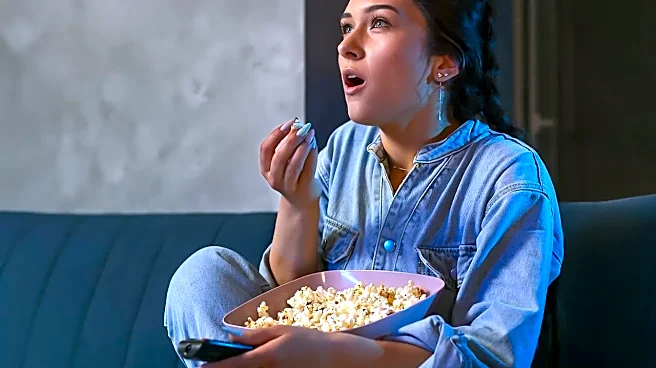
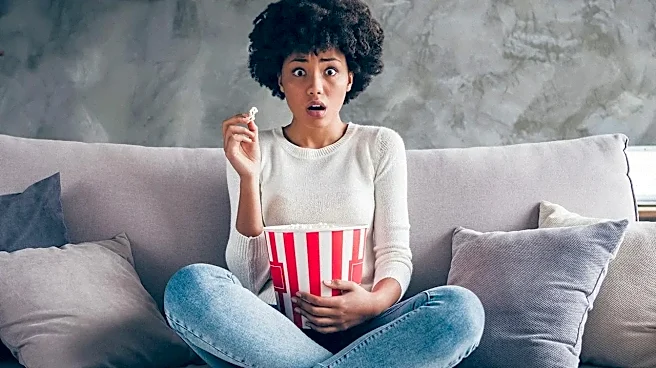
There’s a strange, unwritten rule when it comes to horror movies, especially during the high-stakes Halloween season. It’s the idea that you have to be tough enough to take it. You sit there, stone-faced, while your friends pretend they aren’t terrified,
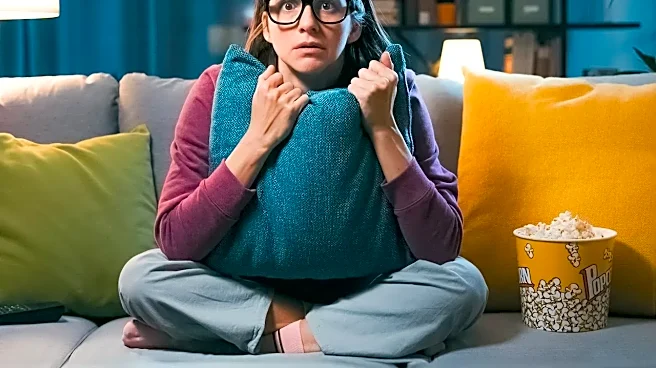
and you pretend right along with them. To flinch is to be weak. To cover your eyes is a concession. And to ask to pause the movie? That’s seen as the ultimate admission of defeat. This unspoken dare is part of the fun for some, but for many, it turns what should be an enjoyable experience into an endurance test. The truth is, there’s no prize for making it through a two-hour anxiety spike without a break. The goal is to actually enjoy the craft and thrill of the film, not to simply survive it.
Your Brain on Horror Is Doing Its Job
When the tension in a horror movie gets too high, it’s not a sign of personal failure; it's a sign that your brain is working perfectly. Your body is reacting to on-screen threats as if they were real. This is the fight-or-flight response in action: your heart rate increases, your breathing quickens, and your system is flooded with adrenaline and cortisol. Psychologists note that even though you consciously know you're safe on your couch, your primal brain is screaming “DANGER!” The filmmakers are masters of manipulation, using everything from suspenseful pacing and unsettling music to specific camera angles to trigger this very real physiological state. Those feelings of nausea, trembling, or a desperate need to freeze are your body’s ancient survival mechanisms kicking in. So when you feel overwhelmed, you’re not overreacting; you're reacting exactly as you’re supposed to.
The Power of the Pause Button
Think of the pause button not as an escape hatch, but as a management tool. Horror filmmakers themselves understand the importance of pacing; a film that is nothing but constant, high-stakes tension becomes exhausting and numbing. They intentionally build in moments of calm to allow the audience to breathe before the next scare hits. Pausing is simply you taking control of that rhythm. Taking a 60-second break to turn on the lights, grab a drink of water, or discuss what just happened allows your nervous system to reset. It breaks the spell the filmmaker has cast, giving your brain the signal that the threat is not immediate and allowing you to release some of the accumulated stress. It gives you a moment to admire the filmmaking—the clever scare, the creepy atmosphere—without being held hostage by the anxiety it creates.
It’s Not Cheating, It’s Curating Your Experience
Ultimately, watching a horror movie is a form of entertainment. You are in charge of your own experience. Pausing when you need to is an act of curation, not cowardice. It’s about tailoring the experience to your own tolerance levels. For some, managing fear might mean watching with the lights on. For others, it might mean muting the sound during particularly intense scenes, as the score and sound effects are responsible for a huge portion of the emotional tension. Some people even read spoilers beforehand to know when the jump scares are coming. All of these methods are valid. The goal is to engage with the genre in a way that is thrilling and fun, not genuinely distressing. By using the tools at your disposal—especially the humble pause button—you're ensuring you get the exhilarating rush of a good scare on your own terms.