
The Pressure to Perform Again
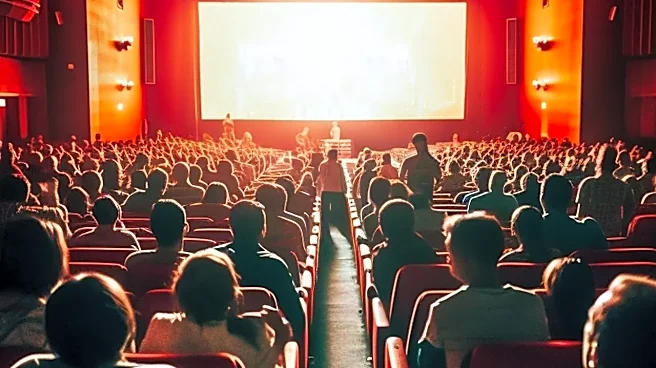
After pouring years of life into a 90-minute film, it’s only natural for a filmmaker to want the audience to ‘get it.’ The post-screening Q&A feels like the final hurdle. The adrenaline is pumping, and
the questions start flying. "What was your inspiration?" "What did the ending mean?" For many directors, this is a moment fraught with pressure. They feel a deep-seated need to be understood, to connect with the audience, and to ensure their painstakingly crafted themes land perfectly. This desire often comes from a place of passion, not ego. In an interview setting, filmmakers are often encouraged to be articulate storytellers about their own work. But the stage of a packed theater, seconds after the credits roll, is a different beast. The temptation is to provide a neat, tidy author’s note—a definitive guide to what the audience just saw. The impulse is to control the narrative, to make sure everyone leaves with the ‘correct’ interpretation.
When Explanation Shrinks the Art
The biggest problem with over-explaining is that it can inadvertently shrink the film. Art thrives on ambiguity, interpretation, and the space it leaves for the viewer. When a director definitively states that a certain symbol meant only one thing, or that a character's final glance was supposed to convey a single emotion, they close doors that the film itself had left open. The late, great director David Lynch famously said, "The film is the talking." He understood that a movie should be an experience, not a lecture. When an audience is told precisely what to think, the personal connection they may have formed with the material can evaporate. The movie is no longer their discovery; it becomes a test they either passed or failed based on whether their interpretation matched the director's. This is particularly damaging for films with complex, open-ended conclusions. The magic is in the debate on the car ride home, not in a tidy answer delivered from the stage.
The Unforced Error of Insecurity
A filmmaker who rushes to explain can project insecurity, even when their film is powerfully confident. It suggests a lack of faith in the work to communicate its own ideas. It can also create an awkward tension in the room, where audience members who had a different, equally valid emotional response suddenly feel corrected. The Q&A is an opportunity to sell yourself and your film, and appearing defensive is rarely a good look. Furthermore, it can backfire. Sometimes a director's explanation is less compelling than what audiences imagined. Hearing that a mysterious, haunting image was simply the result of a happy accident or a budgetary constraint can break the spell. The most effective Q&As often involve filmmakers sharing anecdotes about the process, celebrating their collaborators, or discussing their journey to the screen. They expand the world of the film without trying to solve it.
Trusting the Audience
Audience members themselves are not blameless in this dynamic. The questions asked often beg for simple answers to complex works. But it's the filmmaker’s job to resist the urge to spoon-feed them. The most rewarding experience for a viewer is often feeling smart enough to piece things together on their own. A director’s role in a Q&A is not to be a professor handing out an answer key, but to be a gracious host who thanks the audience for spending time in the world they created. As one actress noted about the public's reaction to her film, the interpretation and analysis are ultimately for the audience; once the work is out there, it no longer belongs solely to its creator. The best filmmakers know that their control ends when the credits roll. They trust that the story, the performances, and the cinematography will do the heavy lifting. They let the film speak for itself.