
The Emotional Close-Up: Jelly Roll’s Confessional
When an artist like Jelly Roll performs, the song is only half the story; the other half is testimony. Directors know this. During his powerful sets, the broadcast often resists the urge to show the massive
scale of Nissan Stadium. Instead, it leans on tight, intimate close-ups. We see the sweat on his brow, the conviction in his eyes, the way he connects with the front row. The cameras hold these shots longer than you’d expect, creating a feeling of raw, unfiltered confession. This isn't a concert; it's a conversation. By minimizing wide shots and frantic cuts, the director transforms a stadium of 70,000 into a personal, almost spiritual experience for the viewer at home. The choice says: listen to the man, not just the music.
The Kinetic Frenzy: Capturing Lainey Wilson’s Energy
If Jelly Roll’s moments are about stillness, Lainey Wilson’s are about pure kinetic energy. To capture her whirlwind stage presence, directors deploy a completely different playbook. The editing pace quickens dramatically. We get a rapid-fire sequence of shots: a low-angle view of her signature bell bottoms, a quick cut to her guitarist shredding a solo, a sweeping jib shot that flies over the audience, and then back to a Steadicam operator chasing her across the stage. It’s a visual blitz designed to match her high-octane performance style. The camera isn't just observing her; it's dancing with her. This choice ensures the viewer's heart rate rises with the tempo, making you feel the breathless energy of being there in person.
The Narrative Duet: Post Malone & Friends
When a surprise guest like Post Malone joins a country icon on stage, the director’s job shifts from documentarian to storyteller. The performance becomes a narrative of collaboration and mutual respect. Watch how the cameras frame these duets. You’ll see a classic “over-the-shoulder” shot, where we see one artist from the other’s perspective, creating a sense of dialogue. Split screens are used to show both performers’ reactions simultaneously, highlighting their chemistry. The director will intentionally cut to one artist smiling or nodding while the other sings, visually confirming their bond. These choices aren't accidental; they are building a story. It’s not just two people singing a song—it’s a crossover event, a moment of genre-bending unity, and the camera is making sure you understand the plot.
The Hero Shot: Crowning a Superstar
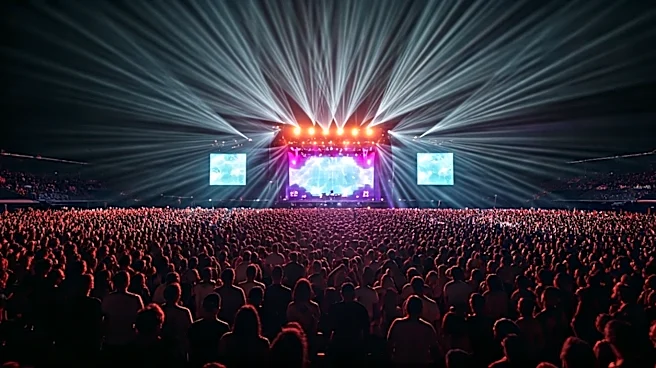
For established titans like Luke Combs or Morgan Wallen, the direction serves a different purpose: coronation. This is where the epic “hero shots” come in. The broadcast will utilize massive crane and drone shots that soar high above the stadium, capturing the artist as a small figure commanding a sea of twinkling cell phone lights. This shot communicates scale, power, and legacy. It visually frames them not just as a singer, but as a phenomenon who can hold tens of thousands of people in the palm of their hand. By pulling back to show the entire spectacle, the director reinforces the artist's status as country music royalty, turning a three-minute song into a statement about their place in the genre's history.
The Audience as Co-Star: Finding the Fan
One of the most effective, and often overlooked, directorial choices is the cutaway to the audience. But it’s never random. The director in the production truck has a bank of monitors showing dozens of camera feeds, including several dedicated to finding the perfect fan reaction. They’re looking for the person singing every word with tears in their eyes during a ballad, the couple slow-dancing in the aisle, or the group of friends screaming with joy. Cutting to these moments does two things: it provides emotional punctuation for the artist’s performance, and it makes the viewer at home feel a deeper connection to the collective experience. That fan becomes a stand-in for all of us, reminding us that the magic of CMA Fest is as much about the shared passion in the seats as it is about the star on the stage.