





The Geography of Focus
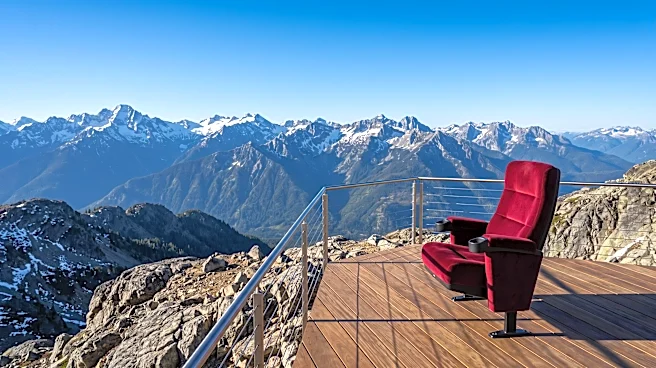
You can’t just decide to pop into Telluride. Nestled deep in a Colorado box canyon, the town is famously remote and getting there requires real effort. This geographic isolation is the festival's first line of defense against Hollywood hoopla. There are
no sprawling luxury hotels for entourages or easy-access airports for private jets. Instead, everyone—from A-list directors and stars to passionate film lovers and critics—is thrown into the same small, stunningly beautiful, and slightly rugged environment. This shared journey fosters a uniquely democratic and collegial atmosphere. Stars are often seen walking down the street or waiting in the same lines as everyone else, not because they’re posturing, but because there’s simply no other way to get around. The setting forces an intimacy and a focus on the shared purpose of being there: to watch movies.
The Power of the Secret Program
Imagine buying an expensive ticket to a concert without knowing who is playing. That’s the central premise of Telluride. The festival's lineup is a closely guarded secret until the moment attendees arrive. This act of 'blind faith' fundamentally shifts the festival's appeal. People don't come to see a specific star's premiere; they come because they trust the festival's curation. This model brilliantly subverts the celebrity-driven marketing that powers most other major festivals. It prioritizes the art itself, creating an environment where a film's quality is the main draw. The thrill is in the discovery, not the confirmation of hype. This has allowed Telluride to become a launchpad for future classics like 'Juno,' 'Brokeback Mountain,' and 'Moonlight,' all based on the strength of the films themselves.
No Contests, Just Conversation
Unlike Cannes with its Palme d'Or or Toronto with its People's Choice Award, Telluride is not a competition. There are no juries, no prizes, and no official market. This deliberate choice removes the horse-race narrative that often dominates festival coverage, where the focus is on who won, who lost, and what it means for awards season. While Telluride has become an undeniable and important stop for Oscar contenders, its core ethos remains celebratory rather than competitive. By taking awards out of the equation, the festival encourages a different kind of dialogue. Conversations in cafes and on the free gondola connecting Telluride to Mountain Village revolve around the films themselves—their ideas, their craft, and their emotional impact. The goal isn't to pick a winner, but to simply talk about cinema.
An Audience of Equals
The festival's atmosphere is frequently described as 'egalitarian.' Filmmakers, movie stars, locals, and cinephiles all become part of the same audience. There are very few press-only screenings or VIP-cordoned areas. A famous director might be sitting next to you in the theater, or the person you strike up a conversation with in line might turn out to be the star of the film you just saw. This accessibility demystifies celebrity and places everyone on a more level playing field. Stars are there to watch movies, too, and are often seen enjoying the festival with the same relaxed anonymity as anyone else. This creates a community bound by a shared passion, where the love of film, not status, is the great equalizer. It’s an environment dedicated not to commerce or fame, but to the love of the art form.