

The traditional suit—stiff, structured, and strictly formal—is officially on sabbatical. In its place, a new wave of 'soft tailoring' is taking over, blurring the lines between boardroom polish and weekend comfort.
It Starts with Softer Construction
The secret to this relaxed revolution
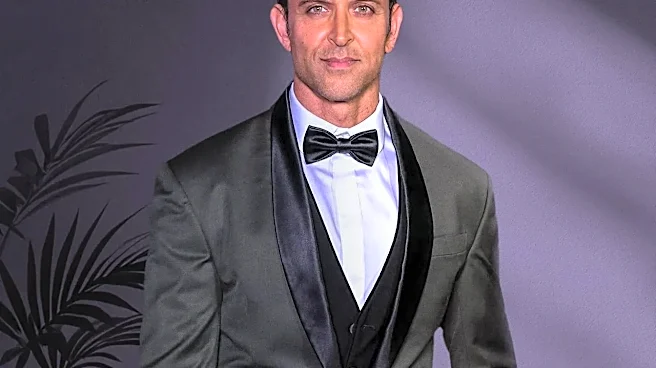
lies in the suit's construction. Traditional suits are built like armor, with heavy canvas, rigid horsehair linings, and thick shoulder pads that create a powerful but restrictive silhouette. Soft tailoring, on the other hand, strips away this internal scaffolding. By removing heavy padding and favoring unstructured or lightly lined jackets, designers create a garment that moves with your body, not against it. The shoulder seam sits on your natural shoulder bone, and the fabric drapes instead of sitting stiffly. The result is a suit jacket that has the polish of formalwear but feels more like a comfortable cardigan, offering a silhouette that’s considered, not careless.
Fabric Is Your First Clue
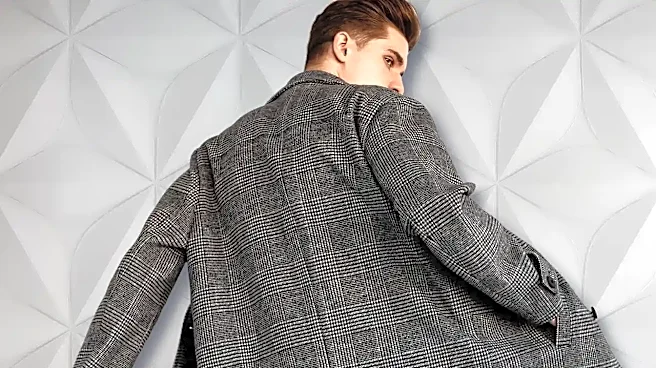
You can often spot a 'dress-down-able' suit by its fabric. While shiny worsted wools signal formality, materials with more texture and a matte finish are your best friends for a casual look. Lightweight linen and cotton blends are perfect for warmer months, providing breathability and a more casual feel. For fall and winter, look for the subtle textures of flannel, tweed, or even corduroy. Modern textile innovations have also introduced high-twist wools and wool-cashmere blends that are softer and lighter than ever before, providing structure through the fabric's natural memory rather than artificial padding. These materials are key to achieving a relaxed look that still feels luxurious and intentional.
Rethink What’s Underneath
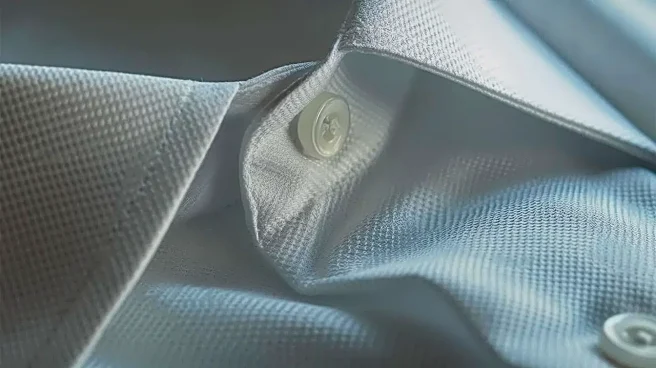
The quickest way to relax a suit is to swap out the classic dress shirt and tie. A high-quality, plain t-shirt in a neutral color like white, grey, or navy instantly modernizes a suit jacket. For a look that’s a small step down from a button-down, a knit polo shirt with a structured collar works perfectly, bridging the gap between smart and casual. In cooler weather, a fine-gauge knit is one of the sharpest moves you can make. A thin merino wool crewneck or a sleek turtleneck worn under a blazer replaces the shirt and tie in one confident step, creating a look that’s both warm and sophisticated.
Your Shoes Dictate the Vibe
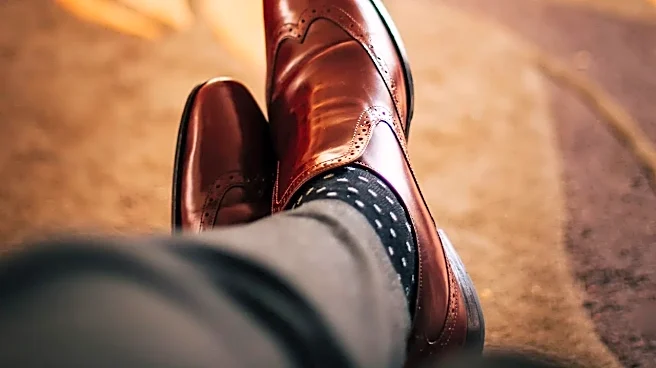
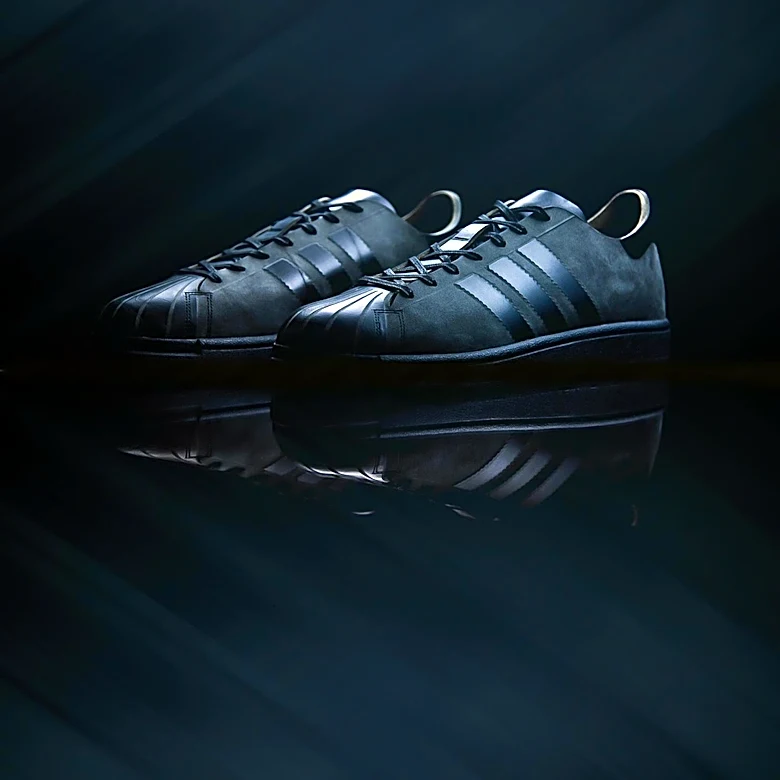
Nothing changes the entire feel of a suit faster than your choice of footwear. Swapping out formal Oxfords or Derbies is a non-negotiable step in dressing down. The most popular and versatile choice is a pair of clean, minimalist leather sneakers. A spotless pair of white sneakers can make a navy, grey, or tan suit feel fresh and contemporary. For a slightly dressier but still relaxed option, consider loafers—either leather or suede—which work beautifully for smart-casual settings. In the fall and winter, suede chukkas or Chelsea boots offer a rugged yet refined alternative that pairs well with textured suits in flannel or tweed.
Break It Up: The Power of Separates
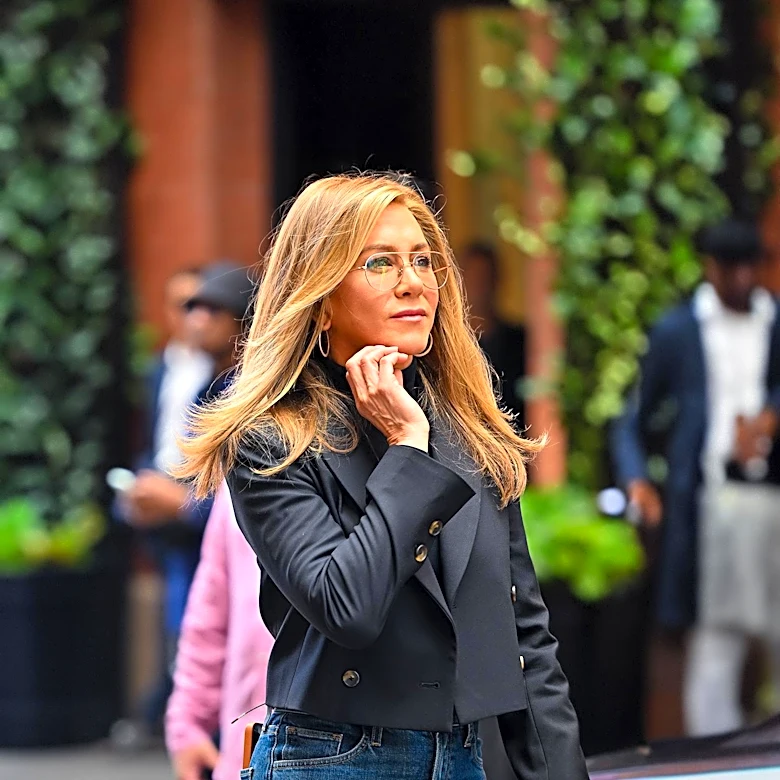
A suit doesn't always have to be worn as a complete set. In fact, one of the best ways to get more mileage out of your tailoring is to treat the jacket and trousers as individual pieces. A suit jacket can instantly elevate a pair of darkndash jeans or tailored chinos for a perfect date night or smartndcasual office look. This works best with blazers that have some texture and softer shoulders. Conversely, your suit trousers can be paired with a simple knit sweater, a casual overshirt, or even just a polo, giving you a polished look without the formality of a full suit.